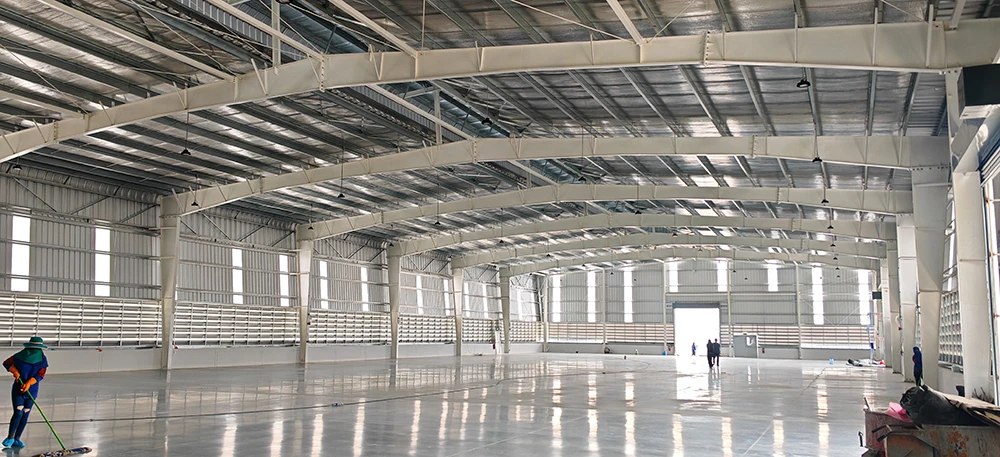
A factory review is a specification review
Seeing equipment is the easy part. The useful question is whether the production route actually suits the product you are buying — and whether the plant can repeat it next season. This page walks through the areas in our Rayong base and the checks that matter at each one.
The exact route depends on the product. A standard steel-backed edge and a rubber-flex blade do not pass through the same stations, and the acceptance criteria differ. Anything we describe here is confirmed against your drawing, sample or part number before production begins.
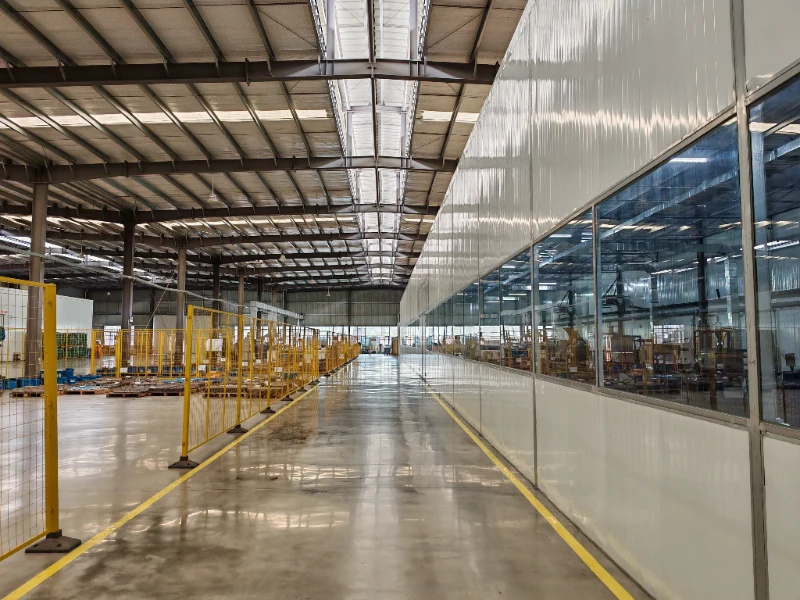
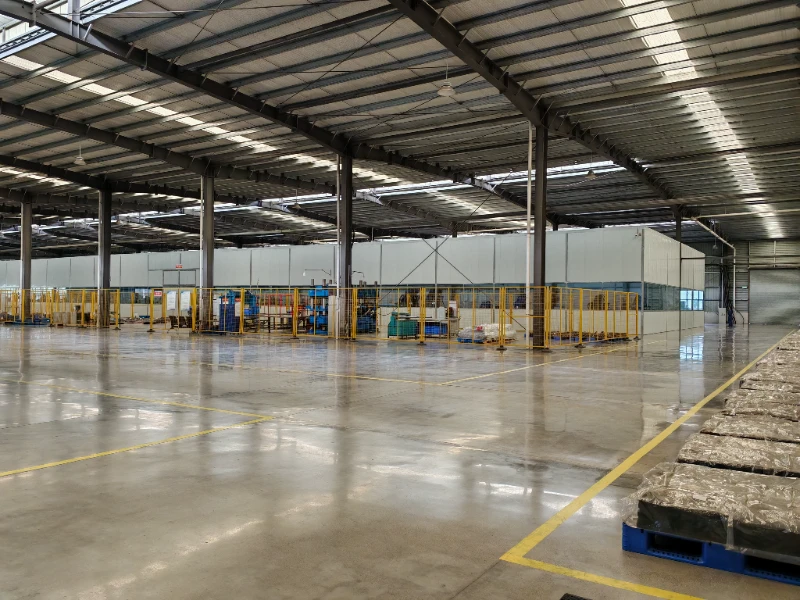
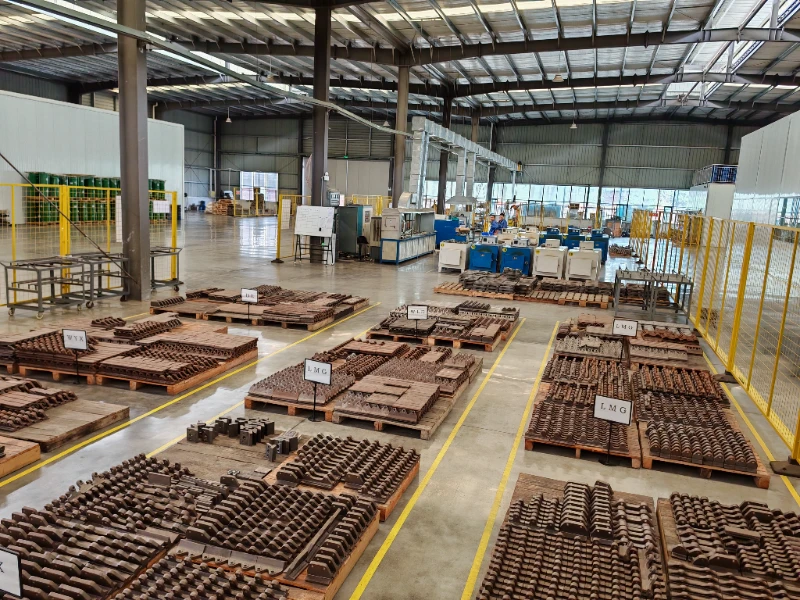
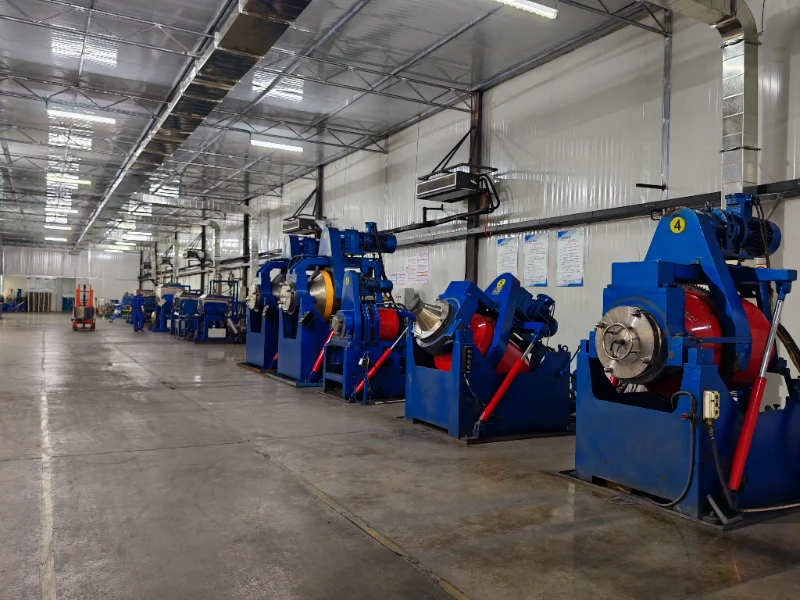
1. Material preparation and wet grinding
Tungsten carbide powder is blended and wet-ground before it is formed. The formulation decides whether the finished insert leans towards hardness or impact toughness, and that decision follows the surface you clear rather than a catalogue default.
The grinding area runs continuously and is kept free of dust, because contamination at this stage shows up later as inconsistent density — the kind of defect that only appears after a blade has been in service for a month.
2. Pressing and 3. Sintering
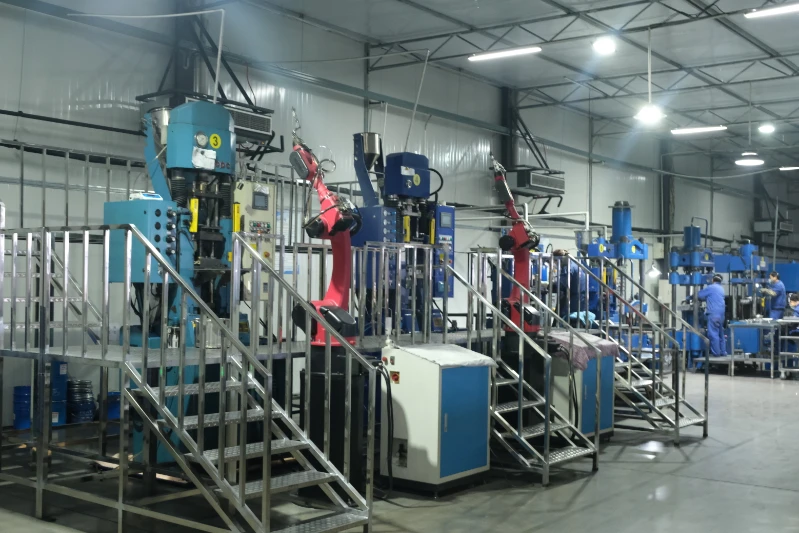
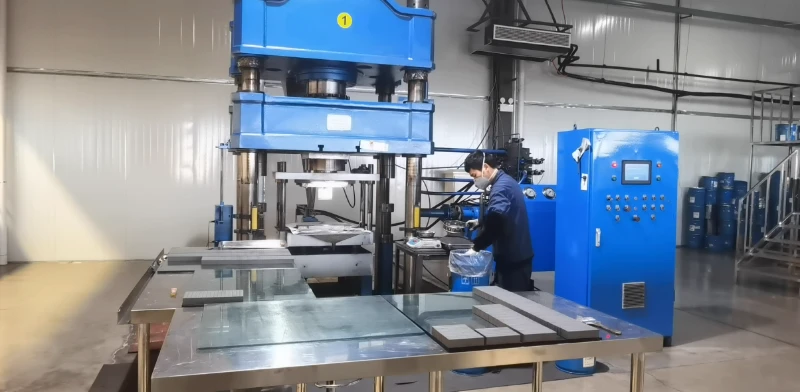
Automated presses form the insert green body; robotic handling keeps the cycle identical from the first piece to the last. Pressing capacity up to 500 tonnes means larger inserts form evenly instead of trapping stress.
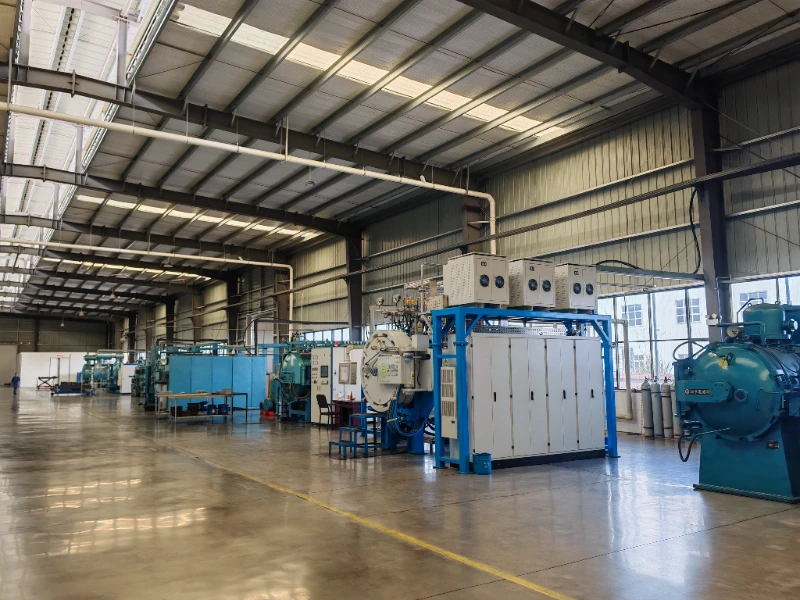
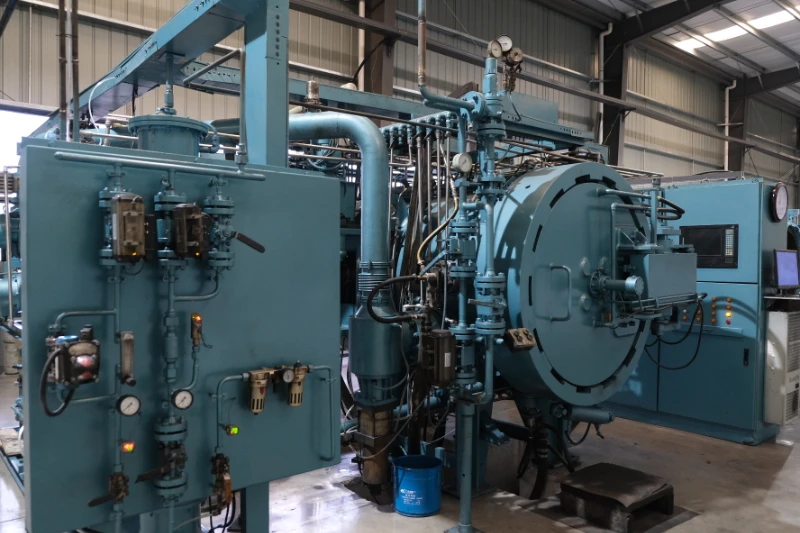
Sintering hall equipment covers vacuum and low-pressure furnaces as well as partial-pressure sintering, quenching and cryogenic treatment. Density, hardness and grain structure are set here, and the run parameters are recorded against the batch.
4. Welding and assembly
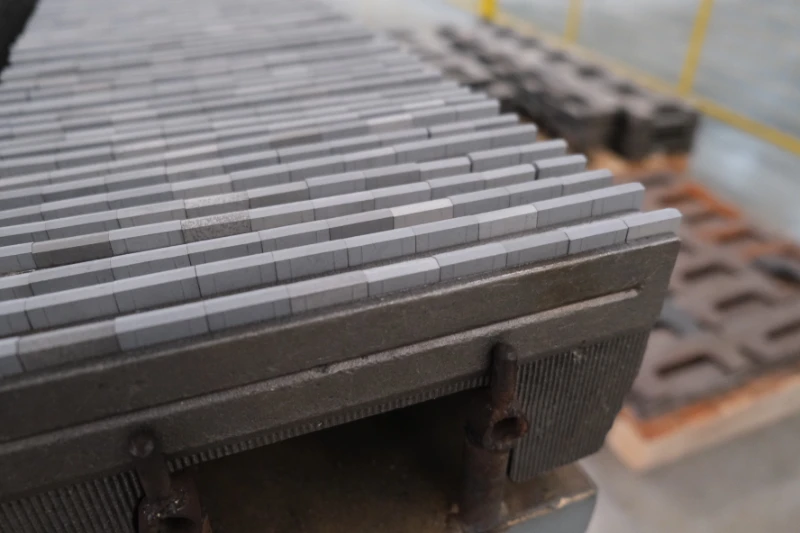
For steel-backed blades, the carbide inserts are joined to the carrier by induction welding, with brazing used where the geometry calls for it. Induction heating spreads temperature evenly across the joint, which is what stops inserts working loose in service.
An annealing step follows, trading a little hardness for toughness so the tool survives a hidden curb edge rather than cracking on it.
5. Vulcanisation
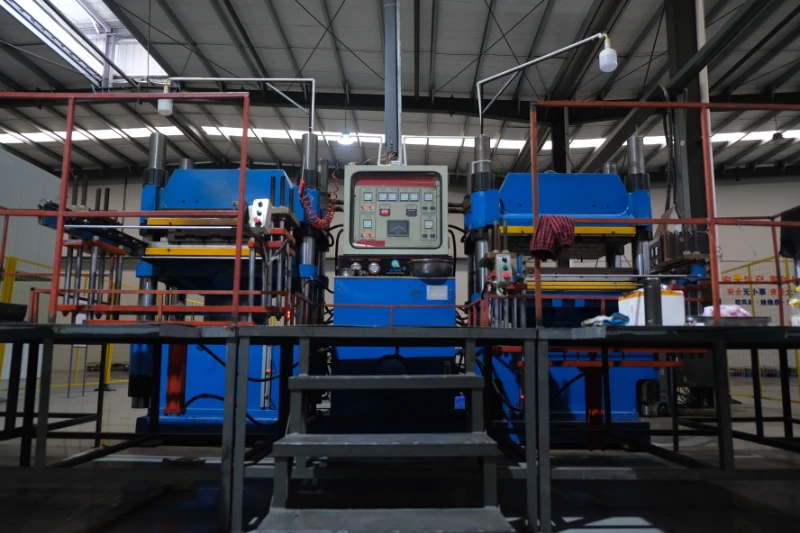
Rubber-flex products receive a vulcanised rubber layer that absorbs impact, protects the steel carrier and keeps working at low temperature. It is the reason a JOMA style edge stays quiet on decorative paving while still carrying carbide wear segments.
What to prepare before a visit or video review
Company and application
Who will operate the equipment, what surface is being cleared and what a normal winter looks like for your route.
Product reference
A drawing, part number, physical sample or photographs with measurements. Anything that removes guesswork from the geometry.
Commercial requirements
Estimated quantity, delivery destination, container preference and any private-label or packing requirements.
Quality documents
Which inspection reports, material certificates or traceability records have to be reviewed before your purchasing team can release an order.
Arrange a visit
Tell us which products you want to see and roughly when you would like to travel, and we will confirm the production areas that will actually be running against your specification. Remote walkthroughs are arranged on the same basis.
Can we see the exact line that will make our blades?
Where the schedule allows, yes. Because production is planned against orders, we will tell you in advance which stages will be visible on your visit date.
Do you allow third-party inspection?
Yes. Third-party inspection can be arranged at agreed production stages. Let us know the scope and the inspector at order stage so it is built into the schedule.
Is the plant open for video reviews?
Yes. A live walkthrough can be arranged for customers who cannot travel, covering the same areas as a physical visit.