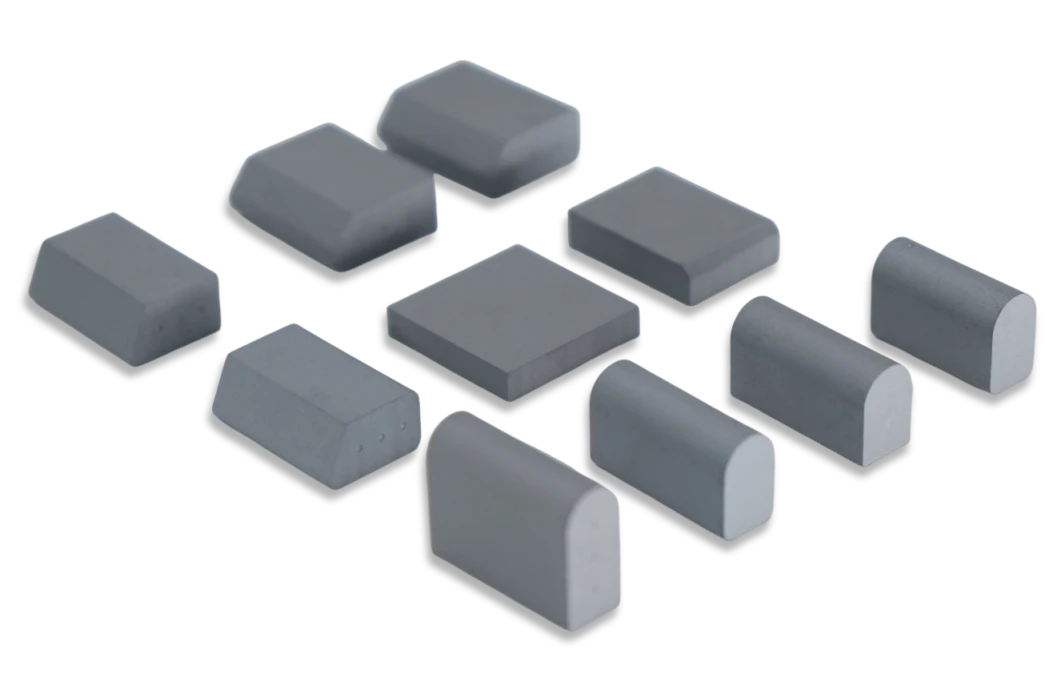
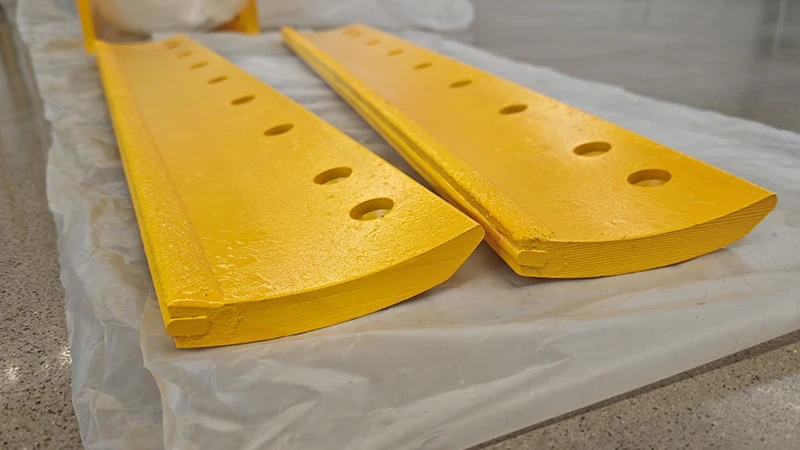
A wheel loader pushes a wider blade with more down-pressure than any truck can generate, so the edge takes a load a truck edge was never designed for. Same product category, different duty, and the fitment question starts with the carriage.
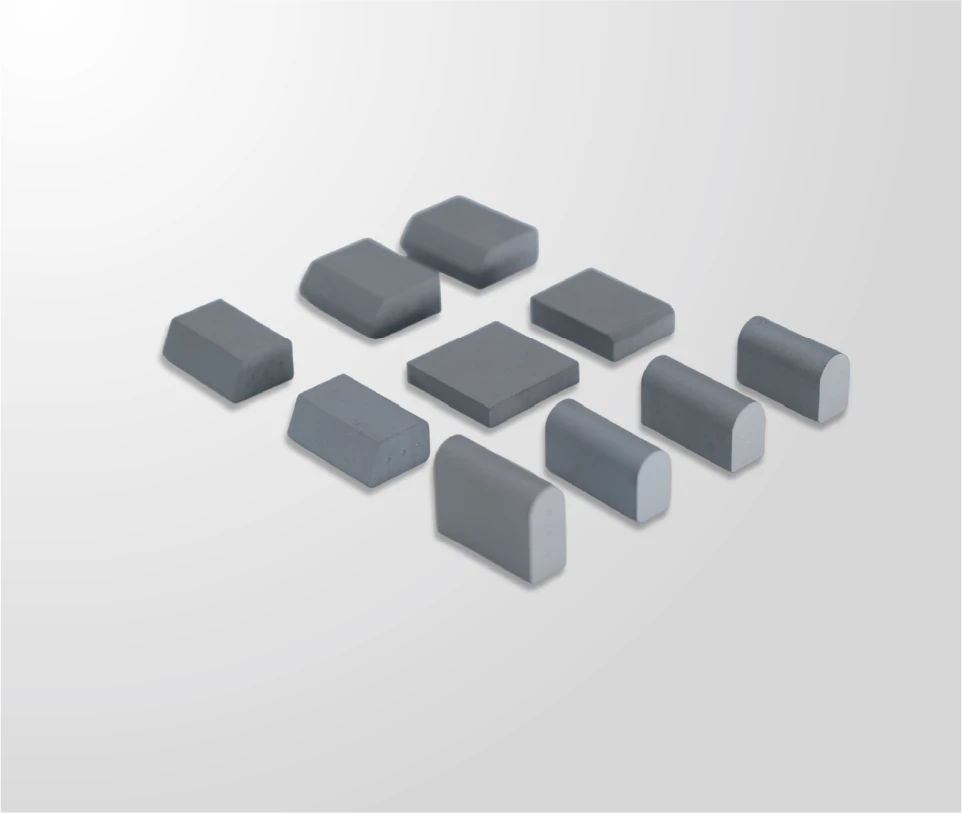
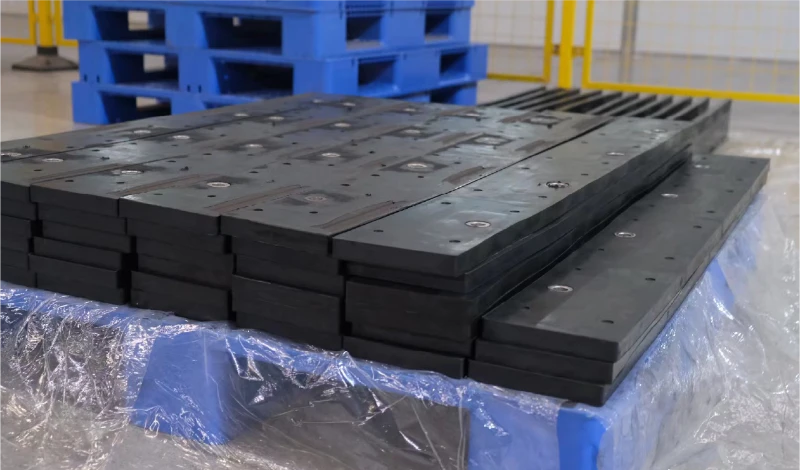
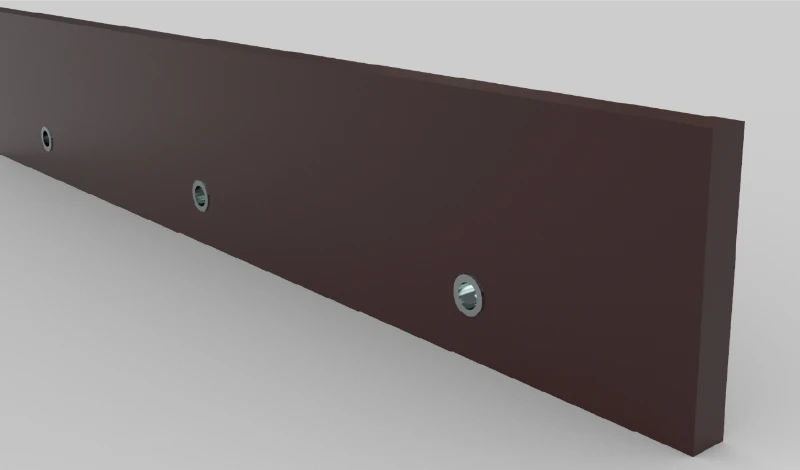
We build loader blades and edges to your mounting face, in carbide, replaceable inserts or steel, with the attachment recorded as carefully as the bolt pattern.
- MountQuick-coupler or dedicated frame; pin spacing recorded separately
- WidthsCut to the mounting face, not to a catalogue width
- Thickness1/2–5/8 in common, set by the machine’s push and the surface
- SectionsOne piece or segmented, so a damaged section is replaced alone
- Insert gradesAbrasion-led for aprons and yards, impact-led where aggregate is handled
- TraceabilityBatch reference on every carton, back to the sintering run
What a loader changes about the edge
Three things. The machine is heavier, so down-pressure at the edge is higher. The blade is wider, so the same thickness spans a longer unsupported length. And the operator sits higher and further back, which makes the edge hard to feel and impossible to see.
- Ends crack first on wide blades, because that is where the unsupported span is longest.
- Wear is discovered late, usually when the blade starts leaving a strip.
- Yard work finds impact — aggregate, spillage and debris chip a carbide edge that would otherwise last a season.
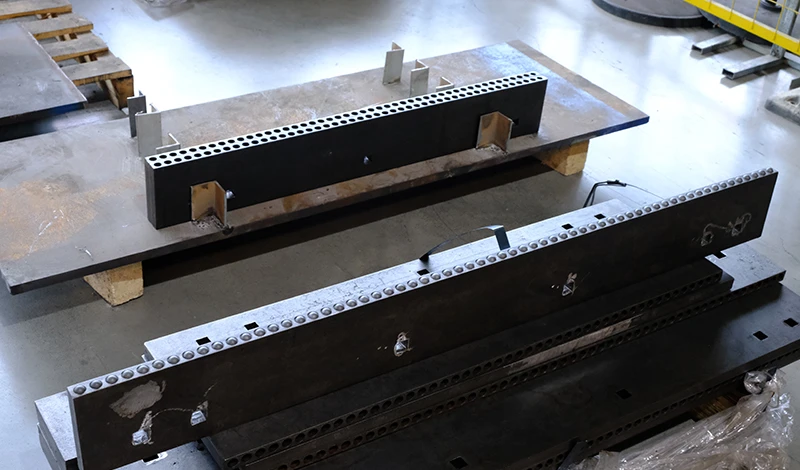
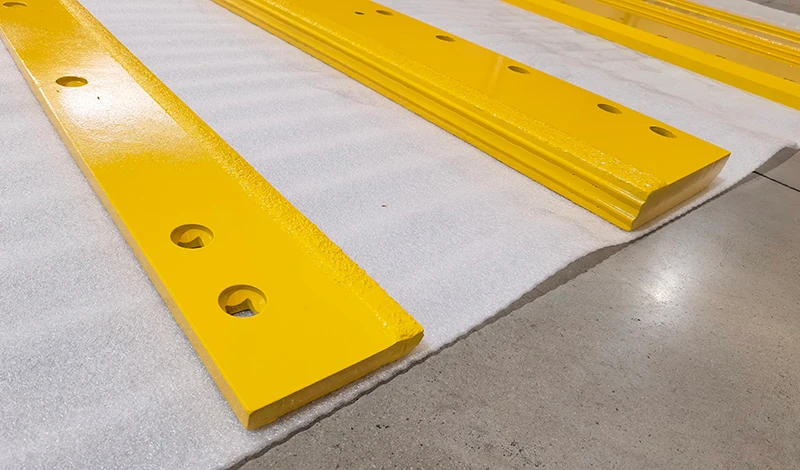
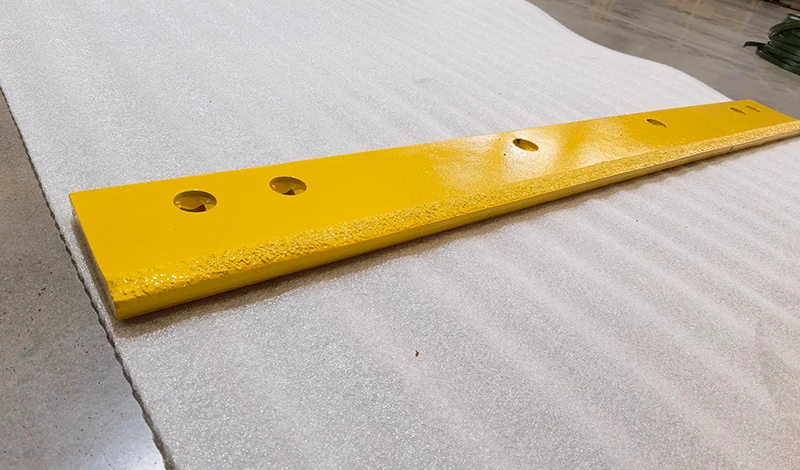
Where carbide pays on a loader
| Your situation | What we recommend | Reason |
|---|---|---|
| Aprons, sealed lots, long hours | Carbide edge | High down-pressure keeps the edge in contact, so wear stays even |
| Fleet that services edges in place | Replaceable carbide inserts | Carrier stays in service; only the inserts are consumed |
| Materials yard with aggregate or debris | Steel edge | Impact will chip carbide before abrasion wears it |
| Surface protection on decorative paving | Rubber-flex segments | Protects the surface the machine works on |
Inspection
The operator cannot see a loader edge. Measure the height at both ends every few weeks rather than at the centre, and check the bolt heads at the same time — a head worn flush means the countersink has gone.
Fitment
Blades are produced to your carriage or coupler. Send the mounting face width, edge height, thickness and hole spacing with a photograph of the carriage and a tape measure in frame. Fleets that run loaders alongside trucks usually want one specification across both, which rarely works: the loader needs the heavier edge. Skid steer and grader mounts are covered on their own pages.
Working conditions on a loader
A wheel loader pushes a wider blade with more down-pressure than a truck can generate, and the operator sits high enough that the edge cannot be seen. That combination produces late-discovered wear and end cracking on wide spans. Yards that also handle aggregate or debris add impact to the duty cycle, which changes the material question entirely.
Material choice for loader duty
Carbide on sealed aprons, yards and abrasive pavement with long hours, because the higher down-pressure keeps the edge in contact and wear stays even. Steel where the yard handles gravel, aggregate or spilled material. Segmented edges are preferred on wide blades so one damaged section does not condemn the full width.
Purchasing conditions
Record the carriage or coupler separately from the blade pattern — a blade that fits the machine may not fit the attachment. Fleet orders that mix loaders and trucks usually need two specifications rather than one, and we quote them side by side. Production is scheduled before cutting and export packing is planned against your container.
Most relevant next steps
- Snow plow parts — what we make and what we do not
- Bolt pattern recording method
- Packed ice carbide kit
What to send, and what comes back
Send a photograph of the coupler with a tape measure in frame. On a loader the attachment is as likely to decide fit as the blade pattern.
Quotation inputs
Machine make and model, blade width across the mounting face, edge height and thickness as fitted, hole spacing centre-to-centre across three consecutive holes, quantity for the season, and a photograph of the mount with a tape measure in frame.
Send sizes, confirm fit Upload a drawing instead
Can a truck plow edge be used on a loader blade?
Sometimes, if the mounting face and hole spacing match, but the duty is different. A loader puts more down-pressure through the edge, so a truck-weight edge may wear or bend sooner than expected.
What thickness should a loader snow blade run?
Commonly 1/2 to 5/8 inch, thicker than a light truck edge, but the carriage rating and the surface decide it.
Is carbide worth it on a yard loader?
Yes on sealed aprons and abrasive pavement with long hours. No where the yard handles aggregate, gravel or debris, because impact chips the edge before abrasion wears it.
How often should a loader edge be inspected?
More often than a truck edge, because the operator cannot see it. Measure both ends every few weeks and check the bolt heads at the same time.