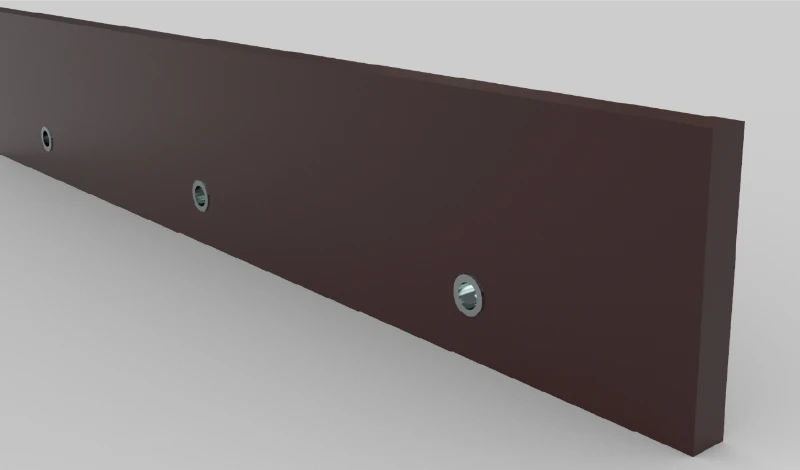
A truck plow edge is sized to the vehicle before it is sized to the road. The same 8 ft blade that works on a three-quarter ton will overload a half-ton truck’s front end, and the edge is where that load arrives first.
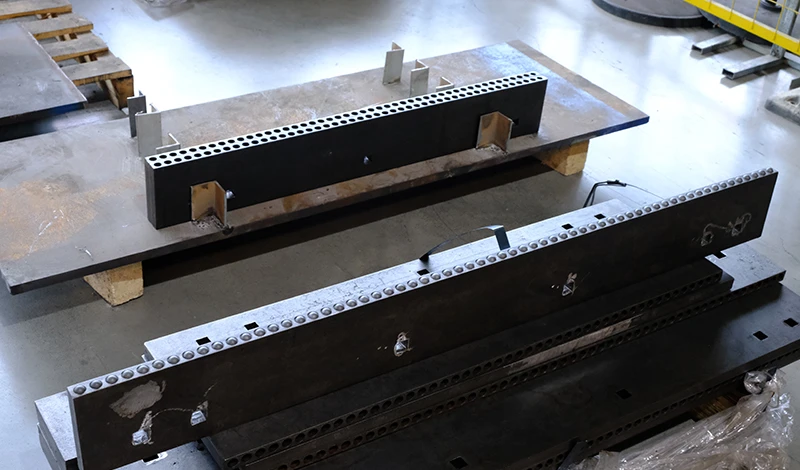
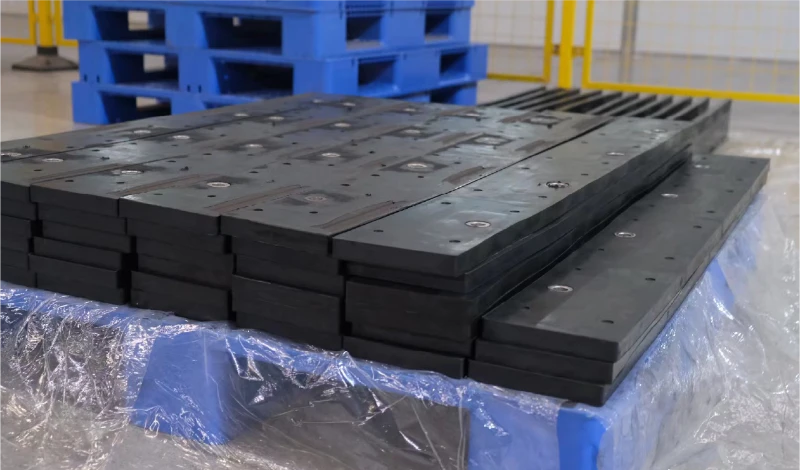
We build truck plow edges from 7 ft 6 in to 10 ft in carbide, steel and poly, drilled to your blade pattern and quoted with the hardware.
- Lengths7 ft 6 in to 10 ft, cut to the mounting face
- Thickness3/8 in for light trucks, 1/2 in and up for single-axle municipal
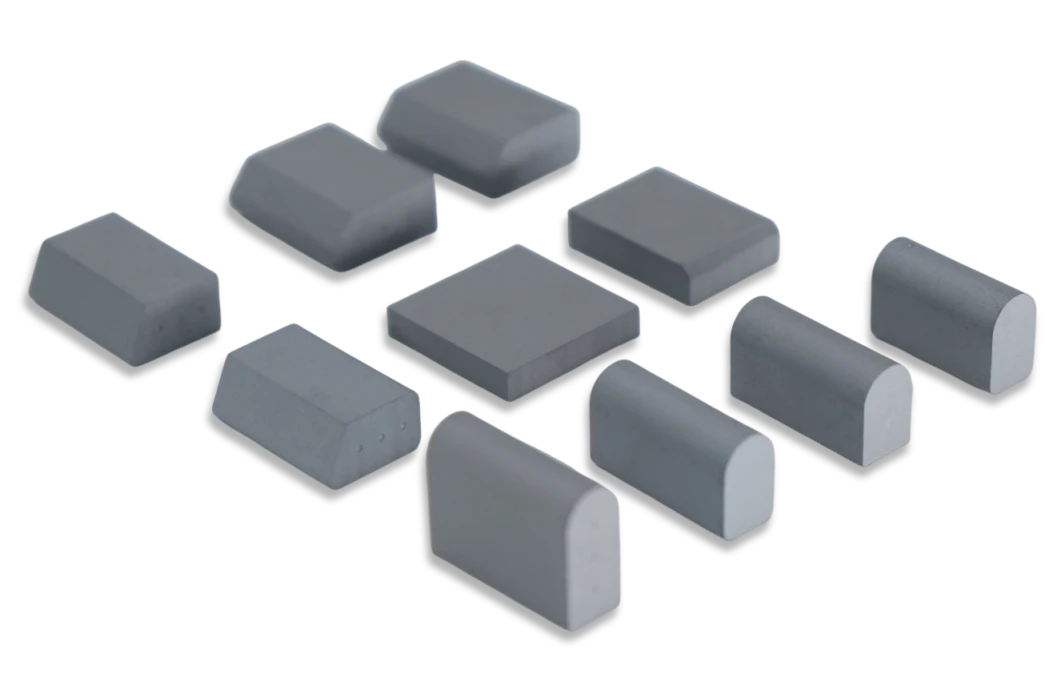
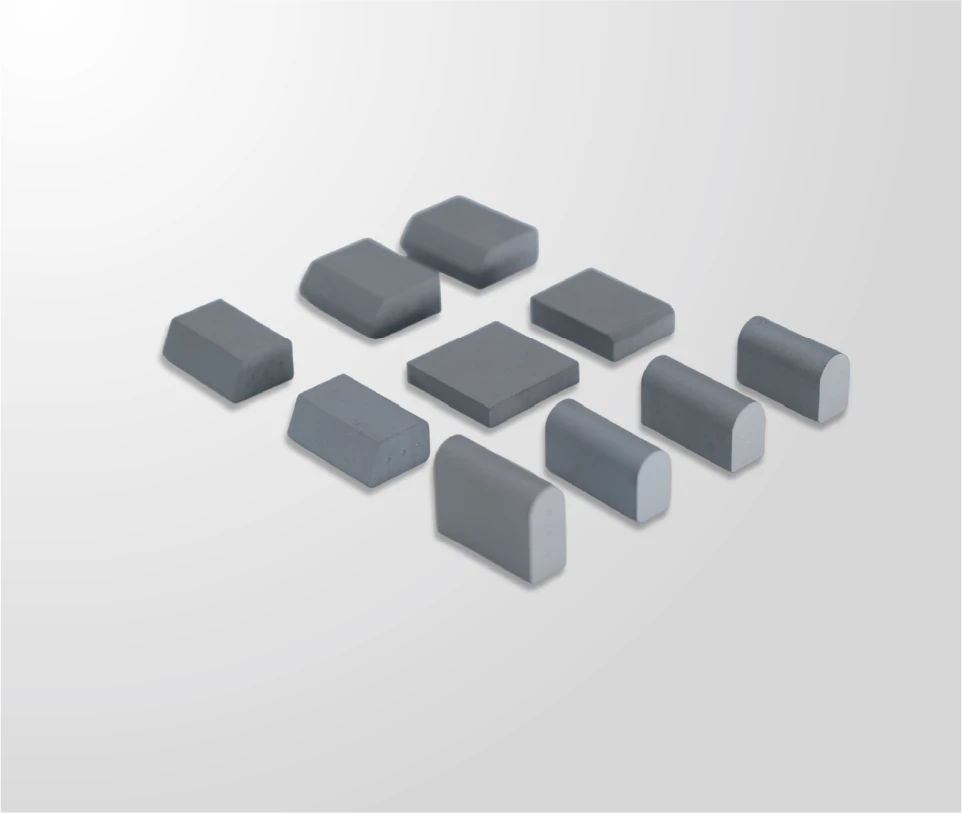
- MaterialsCarbide, steel and poly, with packed ice kits where hardpack is the problem
- Bolt patternsMeasured on the blade; matched to countersunk or plain hardware
- CoverageStraight blades and V-plows
- TraceabilityBatch reference on every carton, back to the sintering run
Thickness follows the truck, not the budget
A thicker edge lasts longer, and it also adds weight at the very end of the plow, increases the load on the trip mechanism and puts more torque through the mounting bolts. On a light truck that shows up as a trip-spring service in February.
The table below is the band we see across North American truck classes. Treat it as a starting point and confirm against the blade and the front axle rating.
| Truck class | Typical edge length | Common thickness | What decides it |
|---|---|---|---|
| Half-ton pickup | 7 ft 6 in – 8 ft | 3/8 in | Front axle capacity and trip load |
| Three-quarter ton | 8 ft – 8 ft 6 in | 3/8 – 1/2 in | Route abrasion and changeout frequency |
| Single-axle municipal | 9 ft | 1/2 – 5/8 in | Season hours and pavement type |
| Tandem-axle highway | 10 ft | 5/8 – 3/4 in | Abrasion at speed, downtime cost |
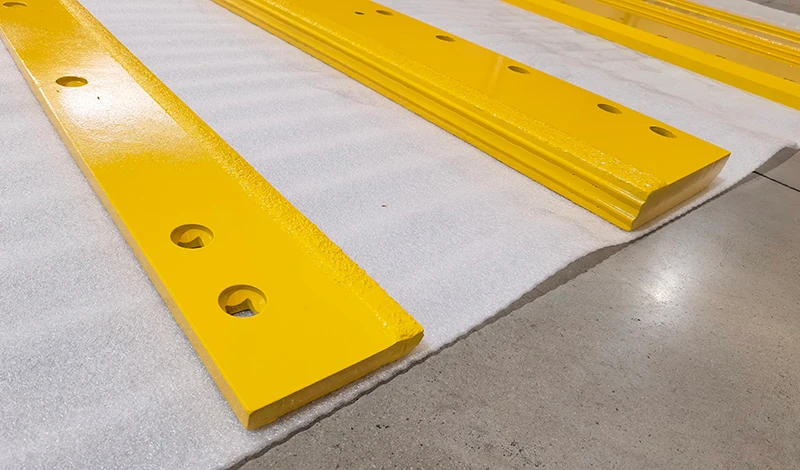
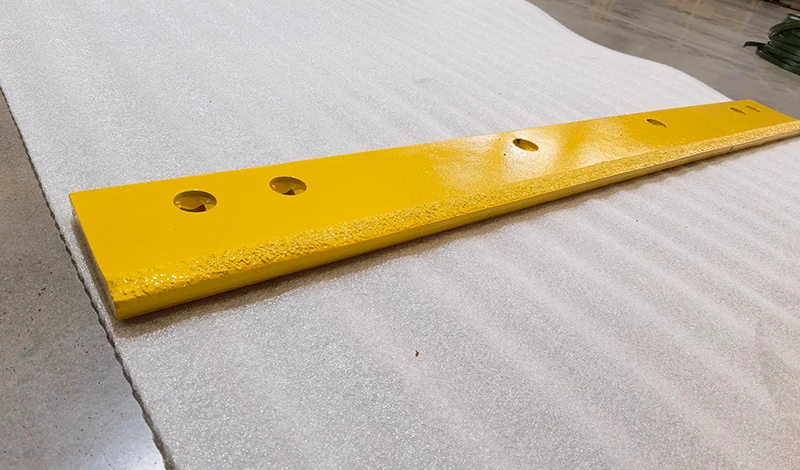
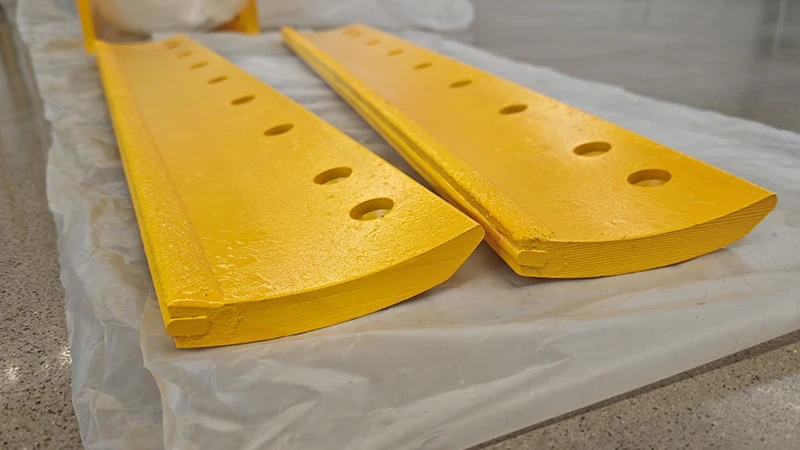
Carbide, steel or poly on a truck
Carbide pays where the surface is abrasive and the season is long, which in practice means highway and municipal routes on chip seal or aged asphalt. Steel stays the right answer on gravel, shoulders and mixed rural routes. Poly protects decorative surfaces and reduces noise, at the cost of scraping power.
Trip load
If you are moving up a thickness band, check the trip rating before ordering. The edge is the cheapest part of that decision and the most expensive one to get wrong.
Fitment
Send the blade width at the mounting face, the edge height, the thickness and the hole spacing across three holes, plus a photograph with a tape measure in frame. Machine-specific pages cover skid steer, grader and loader mounts.
Working conditions that change the specification
A truck edge is chosen by the road it clears, not by the badge on the door. Highway and arterial routes on chip seal are abrasion-led: the edge grinds down a fraction of a millimetre per pass and carbide pays. Rural routes with gravel shoulders are impact-led: the edge meets loose stone and a hard grade chips. Municipal residential work sits between the two, and often runs one material on the lane and another on the shoulder.
Two operating variables are worth telling us: the down-pressure the operator habitually runs, and whether the truck plows at speed. Both change how the same edge wears on two identical machines.
Material choice for a truck plow
Carbide where the season is long and the surface abrasive. Steel where the route is mixed, unpaved or budget-bound, because a chipped carbide edge costs more than a steel edge that wears predictably. Poly and rubber-flex where surface protection or noise matters more than scraping power — pavers, decorative paving, early-morning residential work.
Thickness follows the truck class before it follows the budget: 3/8 inch on a half-ton, 1/2 inch and up on a single-axle municipal unit. Moving up a band changes bolt length and trip clearance, which we quote together with the edge.
Purchasing conditions
Quotations are normally returned within one working day of receiving the measurements. Trial quantities depend on the profile and are confirmed per specification rather than from a catalogue minimum. Production is scheduled against your season, and the schedule is confirmed before cutting starts. Export packing is planned to your receiving requirements, and the specification is archived so a repeat order restarts from the same drawing.
Most relevant next steps
- Cutting edge size chart — lengths, heights, bolt spacing
- How to measure and record a bolt pattern
- Rubber vs poly vs steel vs carbide
What to send, and what comes back
Four measurements and one photograph are enough for us to confirm the pattern and quote the edge, the hardware and the packing together.
Quotation inputs
Machine make and model, blade width across the mounting face, edge height and thickness as fitted, hole spacing centre-to-centre across three consecutive holes, quantity for the season, and a photograph of the mount with a tape measure in frame.
Send sizes, confirm fit Upload a drawing instead
What size edge does my truck plow take?
Measure the blade width at the mounting face, the edge height, the thickness and the hole spacing. Truck class gives a starting band; the blade decides the actual part.
Can I put a thicker edge on a half-ton truck?
Only within the plow’s trip and axle rating. The extra weight sits at the end of a light plow and loads the mechanism that protects the truck.
How long does a carbide truck edge last?
On abrasive winter roads, typically ten to twenty times a steel edge. The multiple depends on surface, down-pressure and how the route is worked.