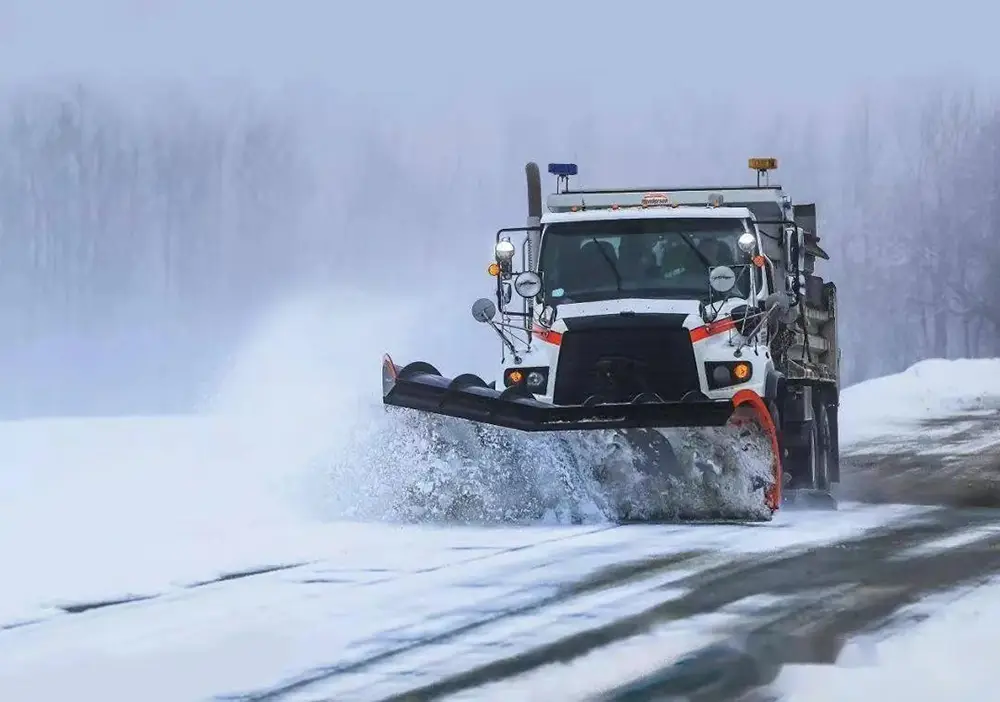
Pick the surface, then the blade position, then the size, then the geometry, then the material. Most expensive blade mistakes are one of those decisions taken out of order.
This guide is the decision path we walk with fleet managers, contractors and distributors before anything is quoted. It covers four edge families — carbide, rubber-flex, insert and clad — across municipal, highway, rural and private-site work, and it links the article that answers each step. Read it top to bottom the first time; afterwards, jump to the section that is currently costing you money.
- Surface — what the blade is scraping.
- Position — front, underbody or wing.
- Size — length and thickness against the machine.
- Geometry — profile, attack angle, segmentation.
- Material — steel, carbide or clad, priced per lane kilometre.
Match the surface before you match the blade
A blade that is right on clean asphalt is the wrong blade on chip seal, gravel or packed ice. The surface mix decides the material and the geometry, not the catalogue page.
Two fleets can run identical trucks and need different edges. A county route that mixes asphalt, chip seal and gravel punishes a brittle edge, while a downtown business district punishes a steel edge that scrapes decorative paving. Before you compare prices, write down the surface mix in the order your crews see it through a storm: bare asphalt first, then the abrasive chip seal that does most of the wear, then the gravel shoulders that do the impact damage. That single sentence usually settles the debate in the yard.
- selecting a blade by road class
- plowing methods by application
- steel, carbide or clad: choosing by abrasion profile
Decide where the blade sits before you decide what it is made of
Front, underbody and wing blades wear differently and load the machine differently. Position is a route decision that is made once and lived with for the life of the truck.
A front blade carries the impact and the operator’s judgement; an underbody blade scrapes ice the front edge has already packed; a wing pushes volume and reaches where a straight blade cannot. Choose the position from the route geometry and the machine, not from what the neighbouring depot ordered. Two related decisions sit in the same step: whether the blade is bolted permanently or clamped for a seasonal hire, and whether the machine is a truck, a loader or a tractor with a much smaller hydraulic envelope.
- front, underbody or wing: picking the blade position
- clamp-on versus bolt-on for seasonal fleets
- snow blades for tractors
Size the blade to the truck, then to the route
Length and thickness follow the machine class. Oversize a light truck and you buy bent moldboards and worn linkage instead of clean roads.
Blade length is a compromise between coverage per pass and the load the machine can carry at the angle it actually plows at. Thickness is about stiffness, not durability: a blade that flexes loses its scraping angle under load and wears at the ends first. Work from the machine’s rated plow capacity, then step up only where the route justifies a wider pass. If you are specifying several machines at once, do the arithmetic on production rates and capacity first — it is cheaper than discovering mid-season that the fleet clears fewer kilometres per storm than the contracts assume.
- blade length and thickness by truck class
- choosing a plow truck and blade package
- production rates and fleet capacity planning
Geometry decides how the edge meets the road
Profile, attack angle and segmentation control whether the edge scrapes clean or skips. A perfect grade set to the wrong angle still leaves ice behind.
Attack angle is the single most adjustable variable on a plow and the one least often measured. Too upright and the edge chatters and sheds hardware; too laid back and it rides over the ice instead of cutting it. The moldboard profile then decides how the snow rolls off, which matters more at highway speed than in a car park. Where the route mixes long straight runs with tight urban work, a segmented edge that can move at the joints will outlast a rigid blade, and the joint itself can be engineered so it takes the thermal and impact movement instead of the carbide.
- blade profile and moldboard geometry
- setting attack angle and blade pitch
- segmented blades and thermal protection
- what changes above 60 km/h
Steel, carbide or clad: run the cost per lane kilometre
Steel is cheapest per blade and usually most expensive per lane kilometre. Price the whole season, including the labour and the downtime.
The honest comparison is not the invoice price, it is cost per lane kilometre: blade cost plus the labour of every change, plus the opportunity cost of a machine that is off the route while a crew swaps an edge. On abrasive chip seal a carbide edge commonly runs ten to twenty times longer than steel between changes, which is where the payback comes from. On gentle surfaces with low traffic, steel remains the rational answer and we say so. Clad edges sit in the middle and suit fleets that want a single product across a mixed route without specifying a grade.
- carbide versus steel: cost per lane kilometre
- working out the payback on a carbide edge
- specifying carbide blades for a highway fleet
Hardware and shoes are where a good edge quietly fails
Bolts, nuts, shoes and wear plates cause more mid-season stoppages than worn carbide. The edge is usually the last thing to fail.
An edge that comes loose does not just stop cutting; it takes the moldboard with it. Torque practice, bolt grade and the condition of the wear plates deserve the same attention as the carbide grade, and a bolt pattern that is verified against the drawing before the order leaves the factory prevents the most irritating failure of all — a shipment that cannot be fitted. Shoes and skid shoes set how much of the edge actually touches the road, so they are a wear decision as much as a surface-protection one. Treat the whole system as five parts that fail independently and inspect them independently.
- the five parts that fail independently
- bolt torque and wear plates
- conical nuts and plow bolt hardware
- verifying a bolt pattern before you order
- plow shoes and skid shoes by surface
Write the specification so the second order matches the first
A specification is only useful if a second supplier can quote it and a second batch can match it. Write it before the first order, not after a failure.
Most fleets drift, not because anyone chose badly, but because each re-order was placed against a memory of the last one. A written specification — surface, machine, length, thickness, hole pattern, grade, edge angle, packing — makes the order reproducible and makes a competitive tender possible. It is also the document that lets you hold a supplier to account later. Use the checklist to make sure nothing that failed last season is missing from the sheet, and write insert tenders in the same vocabulary so bidders price the same product.
- writing a blade specification that survives a season
- the edge specification checklist
- writing an insert tender specification
When a rubber-flex segment beats a solid edge
Rubber-flex edges are the answer where the surface is the thing you are protecting: decorative paving, car parks, airport aprons and rough rural roads.
A rubber body carrying carbide wear segments damps the impact that would otherwise chip a rigid carbide edge, which is why it dominates commercial lots and any route where the client cares about the surface. Segment length is set by moldboard width and route: short segments articulate better on rough ground, long segments cut faster on open lots. If your route is mostly open asphalt at speed, the flex edge is the wrong tool and the solid carbide family will both last longer and cost less per lane kilometre.
Send a description of the surface mix, the machine and a rough annual quantity. Our engineers will tell you which of the four families fits, what grade and geometry to specify, and — when that is the honest answer — that a steel edge is the cheaper choice for your route.
Frequently asked questions
Carbide or steel — which should a small contractor buy?
It depends on the surface, not the size of the business. On abrasive chip seal a carbide edge normally pays for itself within a season because it removes one or two blade changes. On gentle asphalt with low annual hours, steel is cheaper overall and we will say so.
How do I know the correct attack angle?
Start with the machine manufacturer’s specification, then check it in service on the surface you actually plow. Chatter, shed bolts and a rounded leading edge point to too much angle; riding over packed snow points to too little. Measure rather than guess, then record the setting so the next shift can reproduce it.
What information do you need to quote a blade?
Machine make and model, blade length, thickness and hole pattern, the edge angle if you know it, the surface mix, and the approximate quantity per year. A photograph of the existing edge with a tape measure across the bolt holes removes most of the remaining uncertainty.
Can I fit one blade family across a mixed fleet?
Often yes, and it simplifies stores. The usual compromise is a clad or mid-grade carbide edge that behaves well on both asphalt and gravel. Where a route includes decorative paving or delicate surfaces, keep a rubber-flex blade for those units rather than compromising the whole fleet.
Do you supply the bolts, nuts and shoes with the blade?
Yes, where the specification calls for it. Tell us the bolt grade, thread and shoe type and we will consolidate the hardware onto the same pallet so nothing is missing on the day the truck comes off the road.
How long does a first order take?
Established profiles move quickly; a new profile needs a sample and a pre-production approval, and tooling is quoted with the blade so the cost is visible before you commit. Tell us the date your season starts and we will work back from it.
Where to go next
 Snow plow blades and cutting edgesCompare the four edge families and request a quote.View products
 Sourcing carbide wear parts guideTechnical pack, supplier choice, landed cost and supply risk.Read the guide
 Packed ice edge guideWhy a standard edge skates, and how to make one bite.Read the guide
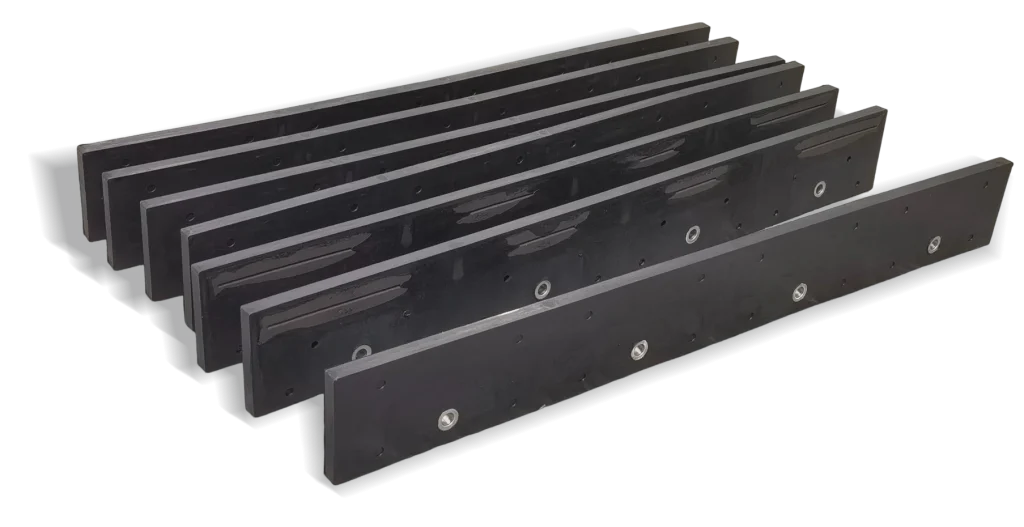 JOMA style rubber-flex blade guideSegments, clamps, insert retention and off-season care.Read the guide
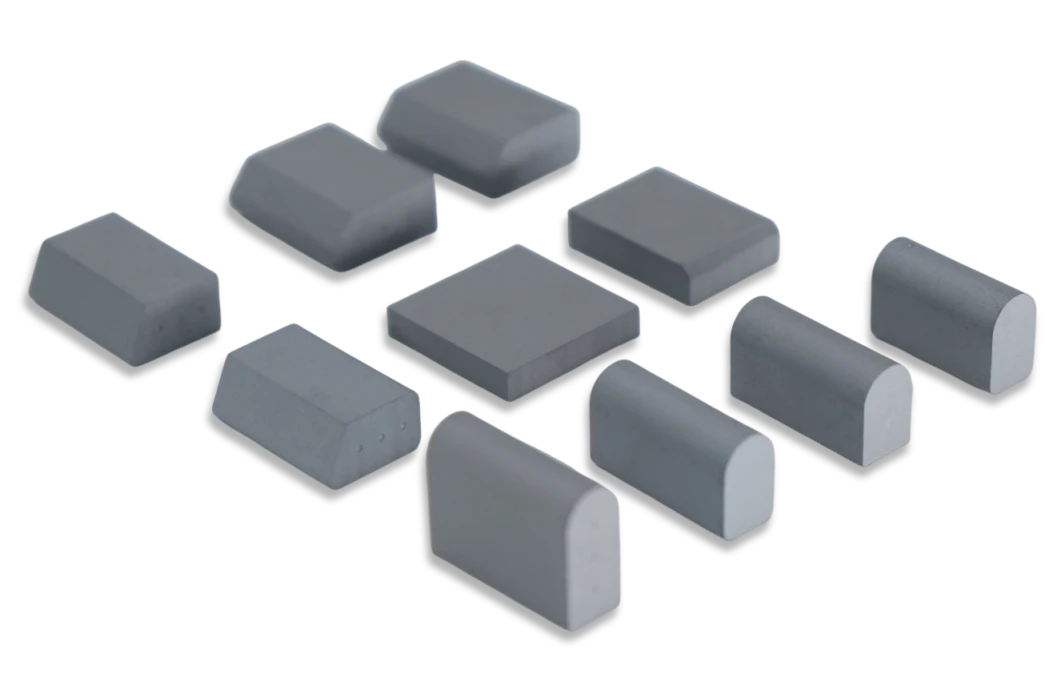 Carbide insert selection and replacement guideGrade, spacing, fitment and the replace-or-re-plate call.Read the guide
 Talk to the quote deskSend the machine, the surface and a rough quantity.Request a quote