Fleets usually ask this question at the worst possible moment: after a customer complains, or before a season when both options are on the quotation and nobody wants to be wrong. The decision gets much easier when you frame it as a trade between wear and surface damage.
What each edge is actually optimised for
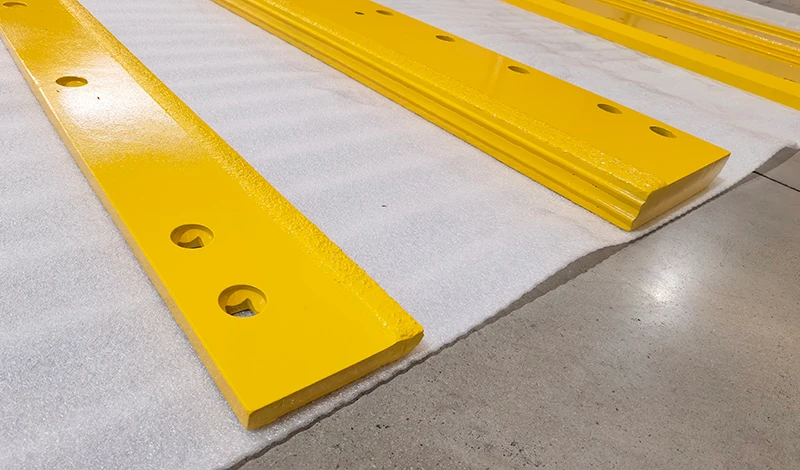
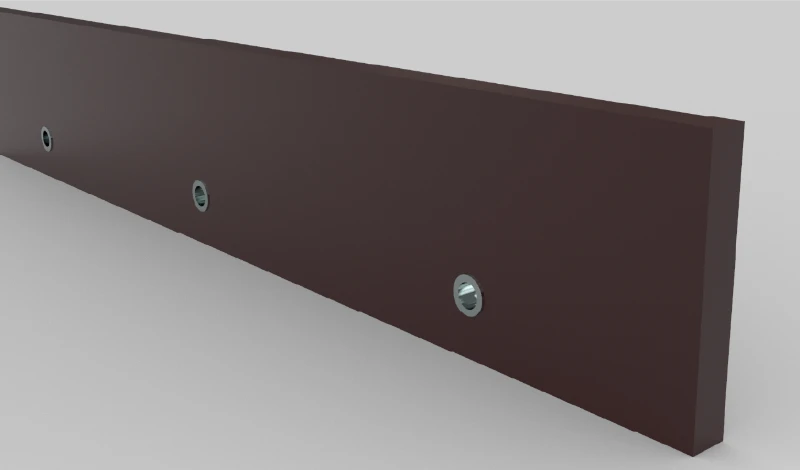
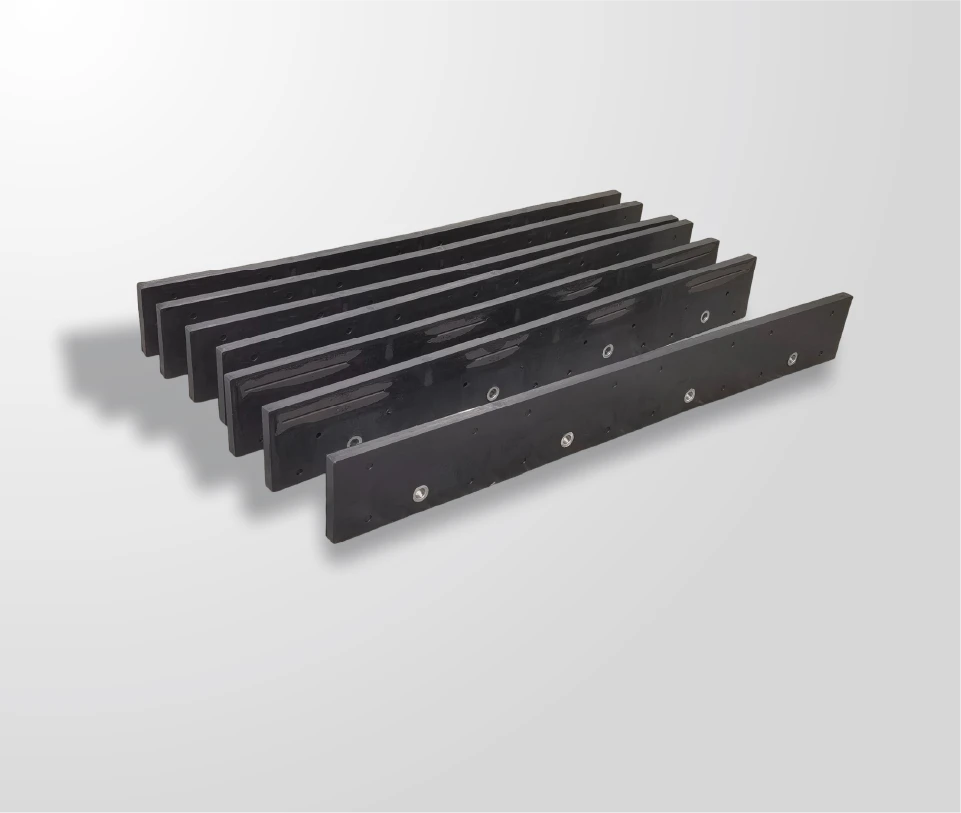
A rigid carbide edge is built to hold a scraping angle under load. It is at its best when the priority is clearing as much compacted material as possible from a hard, abrasion-resistant surface. A rubber-flex edge is built to follow the surface and absorb impact. It is at its best where the surface itself is the thing you are trying not to damage.
| Decision factor | Rubber-flex JOMA style | Rigid carbide blade |
|---|---|---|
| Primary strength | Conforms to the surface, absorbs impact | Holds the scraping angle under pressure |
| Surface risk | Very low | Can mark paving and scored concrete |
| Noise | Quiet | Loud on textured surfaces |
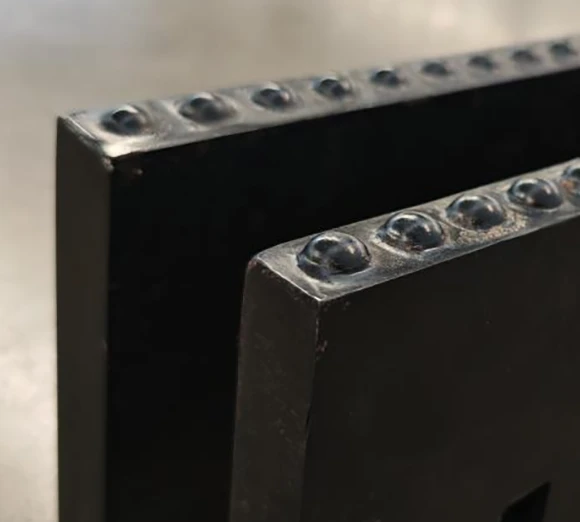
| Wear resistance | Carbide segments carry abrasion | Tungsten carbide across the full edge |
| Best surfaces | Lots, pavers, driveways, tight urban work | Highway, arterial, chip seal, gravel |
| Machine stress | Lower shock transfer | Higher shock transfer |
Three questions that settle it
- Whose surface is it? If the client owns the paving and will invoice you for damage, the answer is usually rubber-flex.
- How much material has to move? Long runs of heavy, windrowed snow favour a rigid edge that keeps its angle.
- What is the machine doing the rest of the time? A loader switching between a yard and a highway needs a setup that survives both.
Many operations run both. The mounting pattern is the same, so a truck can carry a rubber-flex edge for the downtown route and a carbide edge for the highway circuit without changing hardware.
The mistake that costs the most
The most expensive error is fitting a rigid edge on a route it was never designed for, damaging paving that costs far more than any blade saving. The second most expensive is fitting a soft edge on a route where the snow is never fully cleared, which pushes complaints in the other direction. Both are avoided by matching the edge to the route rather than to the fleet average.
Can a rubber-flex edge clear heavy snow?
It can clear it, but on long runs of heavy material a rigid edge holds its angle better and clears more per pass. Rubber-flex wins on surface protection, not on bulk clearance.
Do both types use the same carbide?
Both use sintered tungsten carbide. The difference is the body the carbide is carried on and the way it is presented to the surface.