Two engineers can argue “edge angle” all morning and mean different things: the ground attack angle the operator sets versus the relief ground into the carbide tip. Comparison clarity in the specification prevents that argument from becoming a wrong shipment.
Putting plow blade edge angle and attack angle into the same drawing callout stops plants from shipping a sharp scraper’s geometry when the moldboard needs a different relief.
Separate attack angle (how the plow meets the surface) from relief/bevel on the carbide edge in drawings and trial notes. Surface type and packed ice change which combination works. Field adjustment has limits; do not expect operators to invent geometry the bar does not have. Anchors: selection guide, carbide snow plow blade.
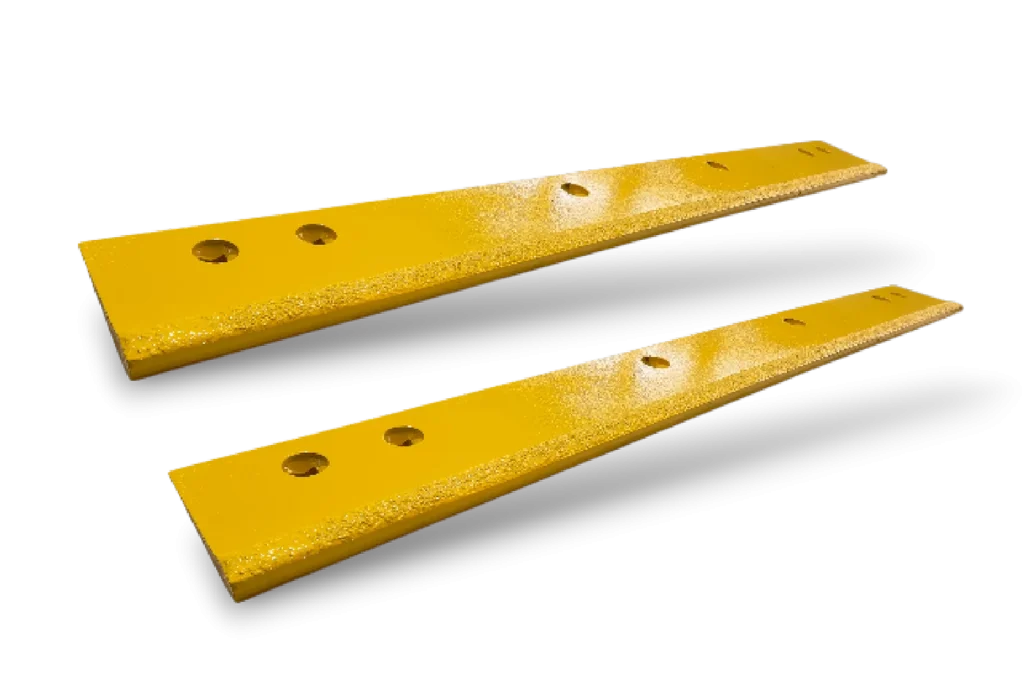
Attack angle vs relief
Attack angle is a specified scrape geometry.
Plow blade edge angle versus pavement often sits near mid-range for carbide; aggressive angles scrape harder and raise chip risk.
Published ranges for steel versus carbide are starting points, not universal law. Surface type, packed ice, and mouldboard design change the workable window. Put angle callouts on drawings and limit field “adjustments” that void the geometry you bought. Trial notes beat tribal knowledge.
PO language examples that separate attack angle from relief angle reduce ambiguity—something short videos rarely hand buyers.
Attack angle is largely an operating/setup variable. Relief or bevel is a manufactured geometry on the edge or inserts. Specs that only say “aggressive angle” without naming which one produce chaos between plant and depot.
| Term | Who controls it | Spec note |
|---|---|---|
| Attack angle | Operator / plow setup | Briefing cards + hydraulic limits |
| Relief / bevel | Manufacturer drawing | Call out degrees or sketch |
| Moldboard pitch | Truck/plow design | Rarely changed by edge alone |
Surface type effects
Abrasive asphalt tolerates firm attack when carbide is present; decorative concrete does not. Soft shoulders punish steep attack with digging. Match language in the RFQ to surface class.
Packed ice needs
Hardpack often needs more bite, via kit geometry and adequate attack, not merely “more pressure.” See packed-ice product thinking at packed ice carbide kit and packed ice edge guide.
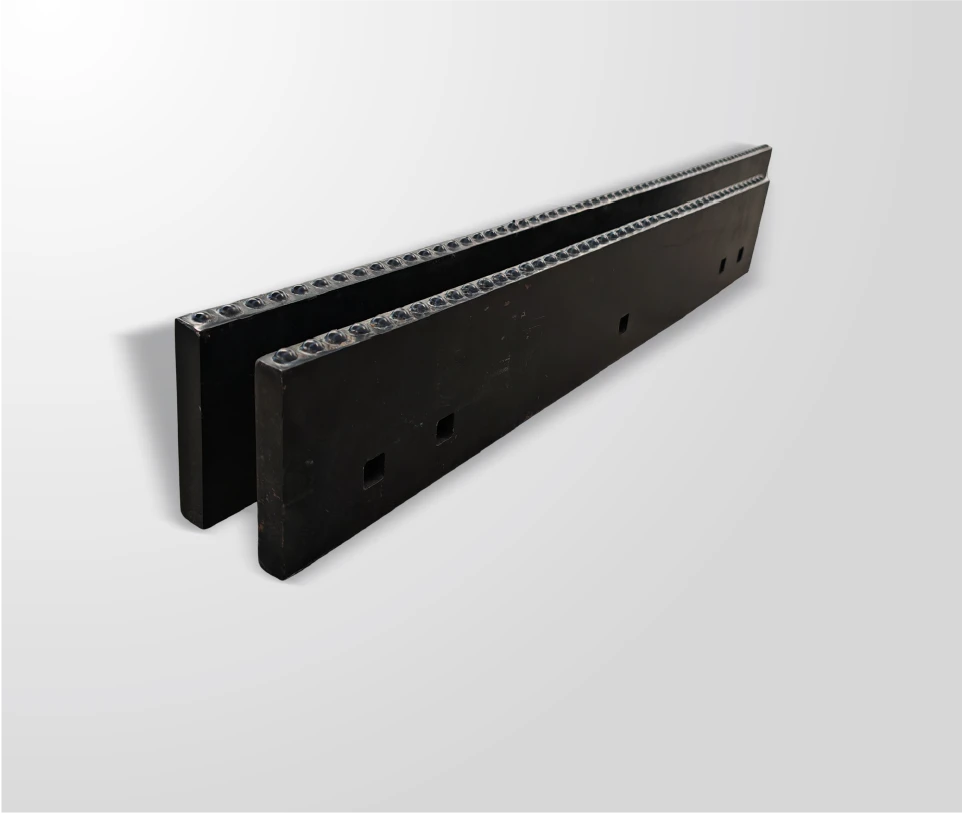
Drawing callouts
Call out bevel/relief with a sketch. If attack angle targets exist for trials, put them on the operator card, not only in an email. Revision-control any bevel change.
Field adjustment limits
Operators can change attack within plow design limits; they cannot grind a new carbide relief safely mid-storm. If scrape fails at sane attack, change edge geometry, do not keep adding pressure.
Trial notes
Log attack setting, surface, and tip photos together. One-variable changes only. Ops: FHWA. Weather: NWS. Canada: Transport Canada. USGS: tungsten. ND DOT: dot.nd.gov. ISO: ISO 9001.
Links
Summary
Name the angle you mean. Spec relief on drawings, brief attack in the cab, and trial with photos before freezing a season geometry. Ambiguous “aggressive edge” language is how depots and plants talk past each other.
Spec language examples that reduce ambiguity
Prefer sentences like: “Manufactured relief per Drawing R-12 bevel detail” and “Operators shall use briefing-card attack setting A on asphalt class routes.” Avoid “aggressive carbide angle” as a standalone requirement. Ambiguity is not toughness.
In trials, record attack setting as a labeled detent or measured reference the plow actually has, not as a feeling. Pair each photo set with that label. When scrape fails, you can tell whether to change briefing or change relief geometry.
Packed-ice corridors should note whether a kit layout is in use. Otherwise teams “increase attack” on a standard polish bar and call the geometry insufficient when the layout was never intended for glaze bite.
Engineering and purchasing should share a glossary card: attack, relief, pitch, down-pressure. Ten minutes of vocabulary saves a season of mis-shipped bevels and angry operator forums.
When translating operator complaints, rewrite “the angle is wrong” into either attack setting or relief geometry before emailing the plant. Clear verbs prevent clear wrong parts.
Keep batch IDs, photos, and revision notes in one folder so purchasing, shop, and sales share the same evidence trail when the next RFQ or claim begins.
US and Canadian snow-belt fleets benefit from writing these habits into SOPs before peak season rather than inventing process during the first ice event.
Record the outcome date and owner so follow-up actions do not disappear between shifts.
Attack-angle and edge-angle language buyers can put on a PO
Write angles as measurable fields: moldboard pitch as operated, edge bevel if specified, and any max down-pressure notes from the installer. Vague “aggressive” language causes plants to guess and fleets to argue after chipping.
Boundary: steeper attack can improve scrape on hardpack and also raise curb-chip risk. Pair angle language with guard requirements and surface class. If operators change pitch mid-storm, note that variability in the trial log rather than treating every chip as a material defect.
For carbide blades, keep angle notes beside the hole chart and carbide layout on the same revision. Aftermarket brand references stay *-style only.
Train depot leads to record pitch as a number from a simple inclinometer app or marked wedge, not as “steep” or “flat.” Numeric pitch plus photos make plant feedback actionable within one email cycle.
Add attack-angle verification to the first-storm checklist: one inclinometer reading at the start of the shift and one after lunch if operators change pitch. Attach both numbers to the trial or wear log. Plants can only respond to angle complaints when the field file contains numbers, not adjectives like “too aggressive.”
Boundary note: steeper pitch that helps hardpack can raise corner chip risk on routes with raised manholes. Record both the pitch number and the route hazard class on the same log line.
FAQ
What is the difference between attack angle and edge relief?
Attack angle is how the plow meets the road in operation; relief/bevel is manufactured into the edge. Specify them separately.
Can operators fix a bad bevel in the field?
Not practically on carbide mid-storm. They can adjust attack within plow limits; geometry changes belong on the next drawing revision.
How should packed ice influence angle language?
Hardpack needs bite from geometry and adequate attack, not unlimited down-pressure. Consider packed-ice kit layouts when skating persists.
What belongs in angle trial notes?
Attack setting, surface class, tip photos, and batch ID, with only one variable changed at a time.
Request Specs or a Quote
Our sales desk at [email protected] can work from plow make/model details or from pictures of a worn cutting edge. Please add length, thickness, bolt pattern and the type of surface on your routes. Responses typically arrive within one working day in English or Chinese, with lead time and MOQ confirmed per product family alongside the price rather than published here.