Cost sheets that treat “more carbide” as automatic hardpack insurance miss the real spend: trucks skating over ice while chemical trucks chase the same corridor twice. Aggressive geometry costs more per bar and saves when scrape quality drops overtime.
Buyers looking up a packed ice plow blade usually need an aggressive carbide layout plus a trial protocol, not a generic highway edge ordered by length alone.
A packed ice carbide kit uses a more aggressive insert layout to bite hardpack that makes standard edges skate. Match kit choice to truck class and allowable down-pressure; pilot one route with photos before a full municipal buy. Airport aprons need extra FOD caution. Chemical assist still matters when temperatures and bond strength exceed mechanical scrape. Start from the product family at packed ice carbide kit and the ops notes in the packed ice edge guide.
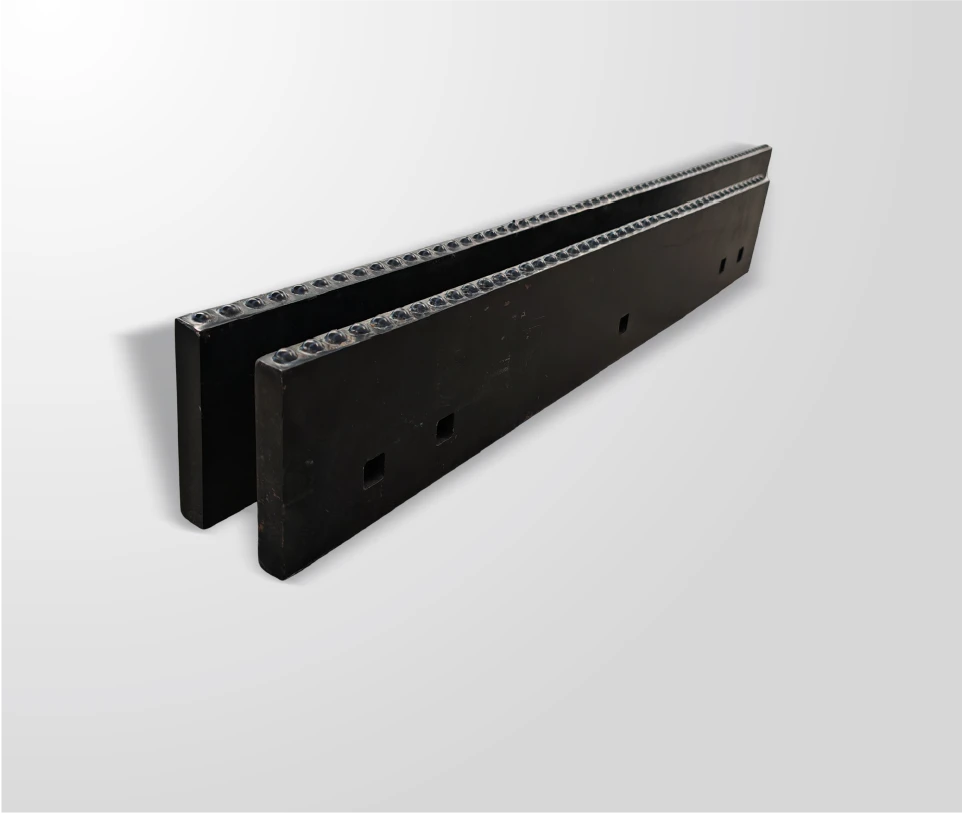
Why standard edges skate on hardpack
Hardpack needs bite and controlled trials.
Rigid steel or aggressive carbide kits can cut packed ice; rubber and poly often skate—trial before a full-season buy.
Some overviews crown steel as the best hardpack scraper because it stays rigid. That can be true on certain routes and wrong on abrasive asphalt where steel changeouts explode. Aggressive carbide kits help when down-pressure and truck class allow, but raise chipping risk. Keep chemical assist in the plan; edges are not a de-icer replacement.
Missed point: airport and apron zones need ops-approved pilots—highway hardpack habits do not transfer unchanged.
Hardpack and bonded ice present a glaze that polished steel and even mild carbide layouts ride across. Operators add down-pressure, heat the bay budget, and still leave a slick film. Aggressive kits concentrate carbide bite so scrape starts without turning every truck into a grader. They are not magic: wrong angle still polishes ice instead of cutting it.
Season timing and storm type drive when hardpack forms; planning context without turning this page into a forecast desk: National Weather Service and ops framing from FHWA Road Weather Management.
Aggressive insert layouts explained
Kits typically expose more aggressive tip geometry or denser bite zones than highway-polish carbide bars. That raises scrape effectiveness and also raises impact and FOD risk if crews dig into concrete joints or metal fixtures. Spec the layout on the drawing; do not accept a PO that only says “packed ice blade.”
| Constraint | Implication | Buyer action |
|---|---|---|
| Light truck / limited hydraulic down-pressure | May not load an aggressive kit enough | Confirm truck class before kit RFQ |
| Highway plow with measured hardpack corridors | Strong candidate for kit trial | Pilot matched routes vs standard carbide |
| Airport apron / FOD rules | Fractured tips are unacceptable | Use apron-specific protocol and inspection |
| Decorative lots | Aggressive carbide marks surfaces | Keep rubber-flex on those moldboards |
Down-pressure and truck class constraints
An aggressive edge under-loaded skates; the same edge over-loaded on a light truck digs and chatters. Capture GVWR class, plow hydraulics notes, and typical attack angle in the RFQ. Depot engineers should brief operators that kit edges are not an excuse to ignore angle discipline.
Airport apron caution notes
Aprons add FOD and surface-damage risk. Packed ice on stands is real, but fractured inserts are worse than a second chemical pass. Pair this article with airport-specific thinking later in the plan and existing airport snow plow blade specification notes. Prefer controlled trials with ops control present.
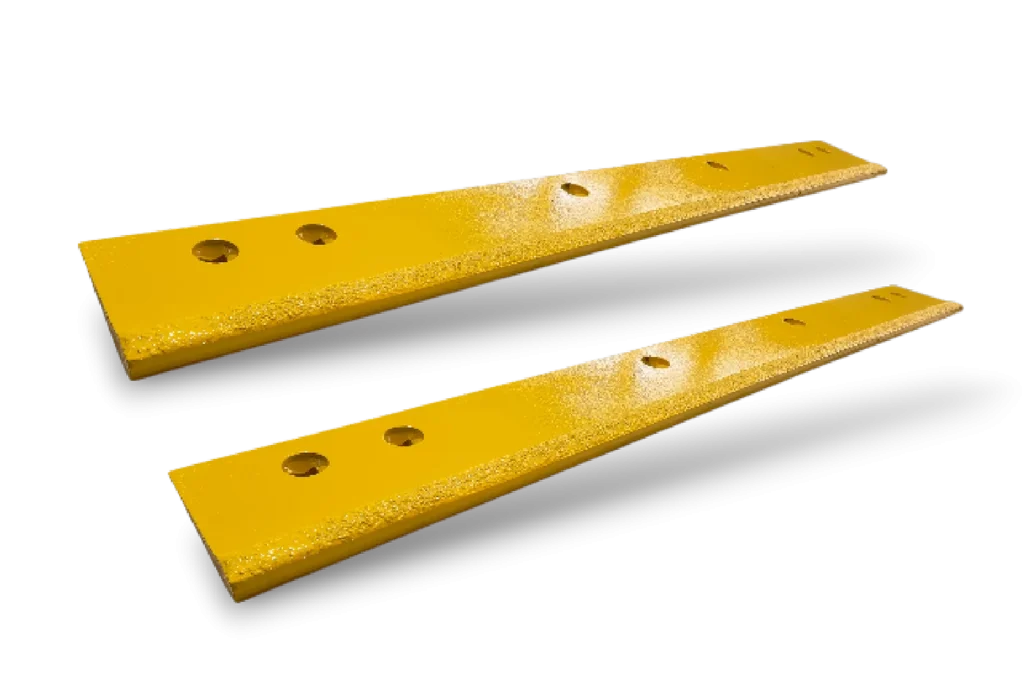
Pilot route trial protocol
- Pick two comparable hardpack corridors; keep operators briefed the same way.
- Baseline standard edge scrape quality with photos at fixed chainages.
- Run kit edges on one corridor for a defined storm set; do not change angle mid-trial.
- Score pass/fail on scrape film, tip condition, and bay time, not on vibes.
Wear evidence photos to request
Ask vendors and crews for tip close-ups, full-bar shots with ruler, and pavement after-pass photos. File them with batch IDs. Claims without photos become opinions.
Inventory: kit vs standard carbide mix
Most municipal yards should not convert every bar to packed-ice geometry. Stock kits for known hardpack trucks and keep standard carbide for abrasive polish routes. How-it-works background: packed ice carbide kit how it works.
When chemical assist still needed
Mechanical scrape has limits when bond strength and temperature beat the edge. Chemical assist, timing, and traffic remain part of the system. Transport and provincial winter expectations for Canadian fleets: Transport Canada. Independent evaluation culture examples appear in state DOT materials such as North Dakota DOT publications, use them as process inspiration, not as a SENTHAI performance claim.
Hardpack route trial boundaries before a full kit buy
A packed-ice carbide kit is a route tool, not a universal upgrade. Trial it on the hardest two routes first, with the same operators and down-pressure settings you use in storms. Capture before/after scrape quality notes and remaining edge height after a fixed lane-kilometre window.
Stop-conditions: if inserts chip from curb strikes or soft shoulders, revisit attack angle and guard strategy before ordering depot-wide kits. If the surface is mostly wet snow with little hardpack, a standard carbide edge may already be enough and the kit cost will not pay back.
RFQ language should name the kit intent (hardpack scrape), list plow models in aftermarket style terms, and attach photos of current wear. Keep MOQ and production timing for the quotation, this page does not publish blanket week counts.
FAQ
What is a packed ice carbide kit?
It is a carbide plow edge with a more aggressive insert layout intended to bite bonded hardpack that makes standard edges skate. It remains a wear part and still needs correct angle, truck class, and inspection.
Can every plow in the yard use a packed ice kit?
Usually no. Kits suit hardpack corridors with enough truck mass and hydraulics. Decorative lots, soft gravel, and FOD-sensitive aprons need different edges or protocols.
Do packed ice kits eliminate chemical de-icers?
No. They improve mechanical scrape on hardpack but do not replace chemical assist when ice bond and temperature exceed what the edge can cut safely.
How should a municipality trial a kit?
Run matched corridors, keep operator settings constant, photograph scrape film and tip condition, and score pass/fail before a season-wide purchase.
Where do we start an RFQ?
Send truck class, photos of skating standard edges, length and hole chart, and hardpack route notes to [email protected] with a request for packed-ice layout options.
Request Specs or a Quote
Start your RFQ at [email protected]. A plow make/model, or photos of the worn edge, together with length, thickness, bolt pattern and route surface notes, is enough for us to begin. We typically respond in English or Chinese within one working day. Lead time and MOQ are confirmed product family by product family with the quote; we do not post a blanket production week count here.