A contractor can hang a highway-weight carbide bar on a light pickup plow and call it “upgrading”, until chatter, frame stress, and pavement gouges show the edge was never matched to GVWR and duty. The checklist below prevents that season.
Sizing a snow plow blade for truck class begins with GVWR and hydraulic down-pressure, then length and thickness.
Match snow plow blade length, thickness, and material to truck class and contract surfaces, not to whatever the highway depot next door buys. Pickups and light commercials often need lighter stacks or rubber on property work; medium-duty and highway trucks can justify carbide on abrasive routes. Capture mounting frame limits and spare strategy before ordering. Start with the collection at snow plow products and the selection guide.
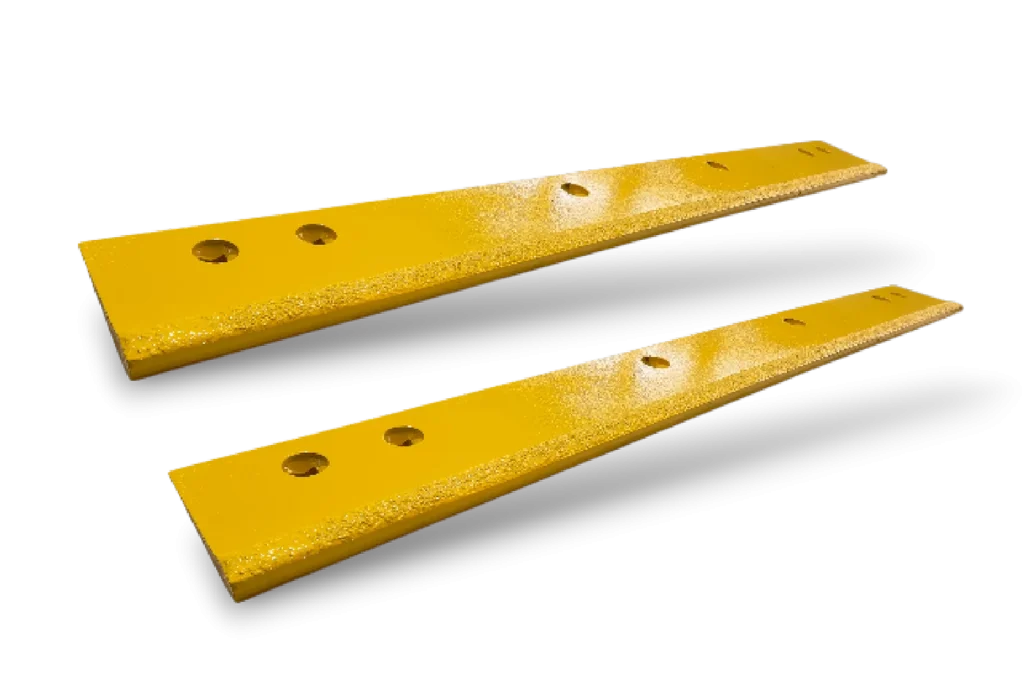
Pickup vs medium-duty vs highway truck edges
Pickup and light trucks clear lots and short connectors; mass and hydraulics limit how hard you can load carbide. Medium-duty trucks bridge commercial routes and some municipal connectors. Highway and heavy plow trucks carry the down-pressure that makes abrasive carbide pay back. Copying a heavy bar onto a light frame is not a free upgrade.
| Truck class (practical) | Typical edge bias | Common miss |
|---|---|---|
| Pickup / light commercial | Steel, poly/UHMW, or light rubber-flex | Highway carbide that chatters and gouges |
| Medium-duty plow truck | Steel or carbide by surface | One SKU for HOA and chip seal alike |
| Highway / heavy municipal | Carbide on abrasive asphalt | Ignoring sectional logistics |
Length and thickness by class
Longer and thicker bars raise scrape stiffness and weight. Light trucks feel that weight in fuel, frame fatigue, and operator complaints. Measure the moldboard and confirm the mounting frame rating before “going thicker because carbide.”
Underbody wing and front plow differences
Front plows, wings, and underbody scrapers wear differently and often use different hole charts. Never assume a front-bar drawing covers a wing. Photograph each position. Canadian and US fleets that share equipment across yards should label drawings by position, not only by truck number.
Carbide economics on light trucks
Carbide can still make sense on light trucks that repeatedly polish abrasive lots, but only when the truck can load the edge and the contract allows firm scrape. If the business model is “leave a safe film on decorative concrete,” rubber or poly wins. Highway life multiples do not transfer automatically to pickup duty.
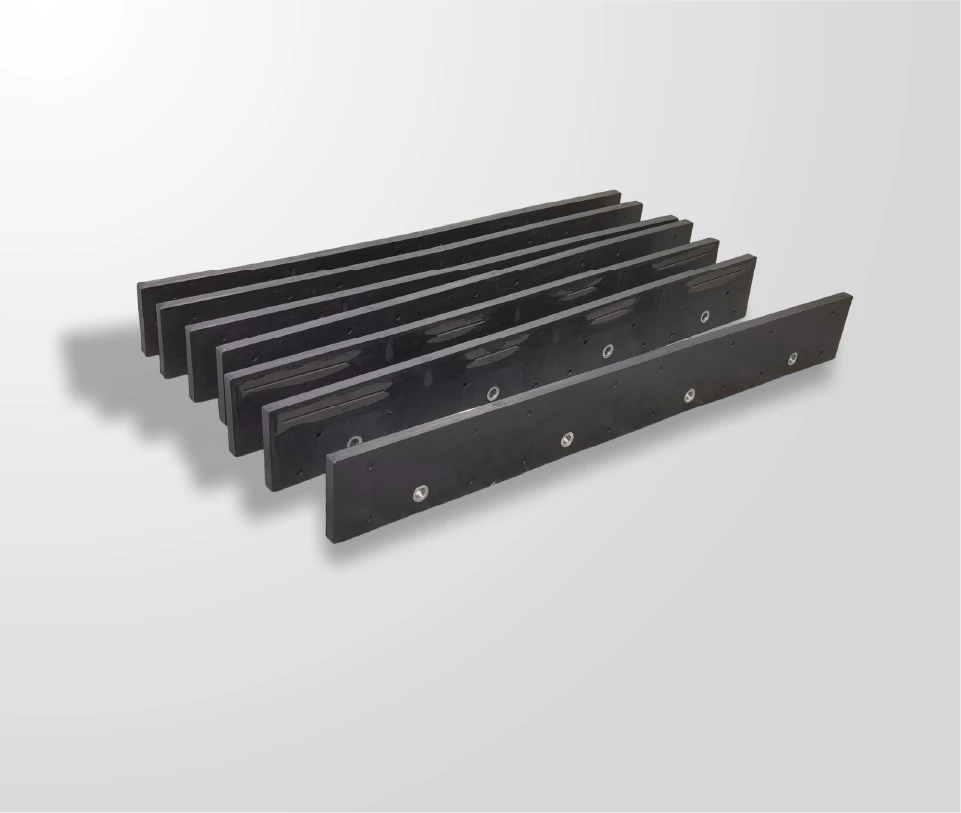
Rubber edges for HOA contracts
HOA and retail contracts punish black marks. Rubber-flex and JOMA-style systems protect surfaces; see JOMA-style blade. Keep a separate hardpack plan if ice bond appears on the same property.
Mounting frame limits
Frame and hitch ratings bound edge mass and down-pressure. If the installer already uses maximum tilt to “make it cut,” fix the edge choice, do not keep adding pressure. Ops context for why downtime hurts small fleets: FHWA Road Weather Management.
Spare blade storage on small fleets
Small fleets rarely have a full parts room. Store spares labeled by drawing revision, keep fasteners kitted, and avoid mixing steel and carbide bars without tags. Season timing reminders: NWS.
Spec sheet template
- Truck GVWR class and plow make/model (aftermarket style language if applicable)
- Position: front / wing / underbody
- Length, thickness, hole chart with photos
- Surface class: lot, asphalt, chip seal, gravel
- Material preference and why
- Spare count and storage location
Provincial and federal Canadian notes for cross-border contractors: Transport Canada. Tungsten cost context if carbide pricing questions arise: USGS tungsten.
GVWR and hydraulics as the first gate for truck edges
Start with truck class, not blade marketing. Pickup and light commercial plows often lack the mass and hydraulic down-force to load a highway-mass carbide bar safely. Medium-duty trucks bridge lot and arterial work; highway trucks carry longer bars and heavier carbide layouts. Matching edge mass to GVWR and hitch rating prevents bent frames and early insert loss.
Write three fields on every truck-edge RFQ: GVWR class, plow position (front / wing / underbody), and surface class. Then add length, thickness, and hole chart with ruler photos. Underbody and wing drawings rarely match front-plow charts, label each position.
For HOA and retail contracts, prefer rubber-flex or poly when pavement marks create penalties; reserve carbide for abrasive scrape the truck can actually load. Store spares by drawing revision so small fleets do not mix lengths in one rack.
When contractors run mixed fleets, keep a wall chart that maps GVWR class to allowed edge families. That chart stops a night supervisor from hanging a highway carbide bar on a half-ton plow because “it was the only spare left.” Update the chart when a plow or hitch is upgraded, and archive the old revision with the date.
FAQ
How should a snow plow blade for truck be matched to GVWR and mount?
Match the snow plow blade for truck class to GVWR, frame strength, and hydraulic capacity before debating carbide versus rubber. Light pickups often need shorter edges and pavement-friendly materials; medium-duty and highway trucks can carry thicker carbide carriers. Confirm mount type—front plow, underbody, or wing—because drawings differ. Never size an edge from a brand nickname alone; measure the worn blade and note truck class on the RFQ.
How wide is a snow plow blade?
Width varies by plow and truck class. Light truck plows commonly run shorter mouldboards than highway one-ways or wings. Always measure the worn edge or mouldboard length you actually run rather than assuming a catalogue width. Record length, thickness, and bolt spacing together so the replacement snow plow blade for truck fits without field drilling. Underbody and wing edges use different lengths than the front plow on the same truck.
What not to do when selecting a snow plow blade for truck duty?
Do not order highway carbide for a light GVWR truck that cannot hold down-pressure, or rubber-only edges for abrasive arterials that chew soft materials. Do not skip bolt-pattern measurement. Do not invent MOQ or lead weeks on the PO—confirm with the quotation. Avoid mixing unlabelled insert grades across trucks in a trial. Photograph the worn edge and write truck class and surface notes on every request.
Do plow brand names determine the snow plow blade for truck fitment?
Brand names help identify geometry families but do not replace measurements. Aftermarket edges for Fisher-, Western-, BOSS-, or Meyer-style plows still need length, thickness, and hole charts. Popular plow brands matter for mount and hydraulics; the cutting edge RFQ should attach photos and dimensions. Treating a brand word as a complete SKU is a common mismatch cause for snow plow blade for truck orders.
Request Specs or a Quote
Measurements, photos, or both: send the worn-edge photos or plow make/model, with length, thickness, bolt pattern and surface notes, to [email protected]. Our usual response time is one working day, in English or Chinese. Lead time and MOQ are confirmed product family by product family in the quotation; this page does not publish a blanket production week count.