Counter-intuitive but true for many fleet parts rooms: ordering a “Meyer cutting edge” by plow model alone still fails when the moldboard has elongated holes, a wear plate stack, or a prior aftermarket revision. Brand shorthand does not freeze geometry.
Treat Meyer-style plow edges as aftermarket replacements that you size from a measured sample or drawing, not as OEM-authorized parts. Map length, thickness, hole centres, and whether the route needs steel, carbide, or rubber before you RFQ. Confirm fit in writing; SENTHAI and similar plants quote by geometry, not by logo. Use style language on POs so receiving does not assume factory brand parts.
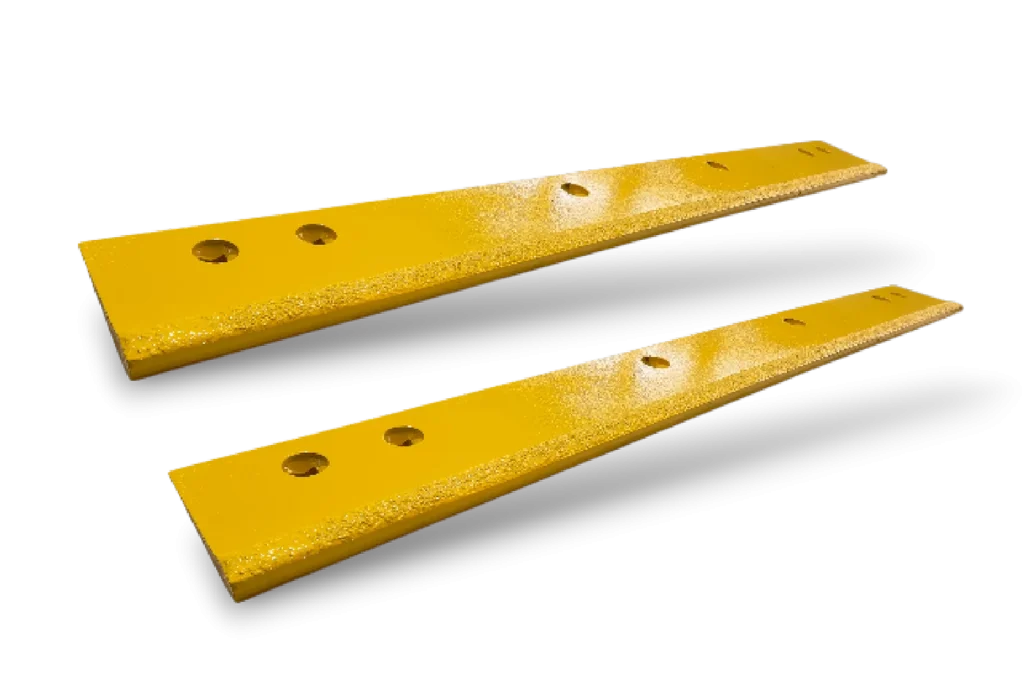
Identify Meyer edge geometry from a sample
Pull one worn edge that still shows intact hole centres. Photograph both faces with a ruler in frame, measure overall length, thickness, and centre-to-centre hole spacing, and note any wear-plate or curb-guard stack that changes effective height. If holes are egg-shaped, measure the moldboard pattern separately, ordering to the worn bar copies the damage.
Trade shorthand such as “Meyer-style” helps sales route the conversation, but it never replaces numbers. For brand-fit context already on this site, read Meyer-style plow edge options and the fitment explainer aftermarket vs OEM edges. Neither page claims OEM authorization.
Steel to carbide upgrade path
Meyer-style edges are not one material.
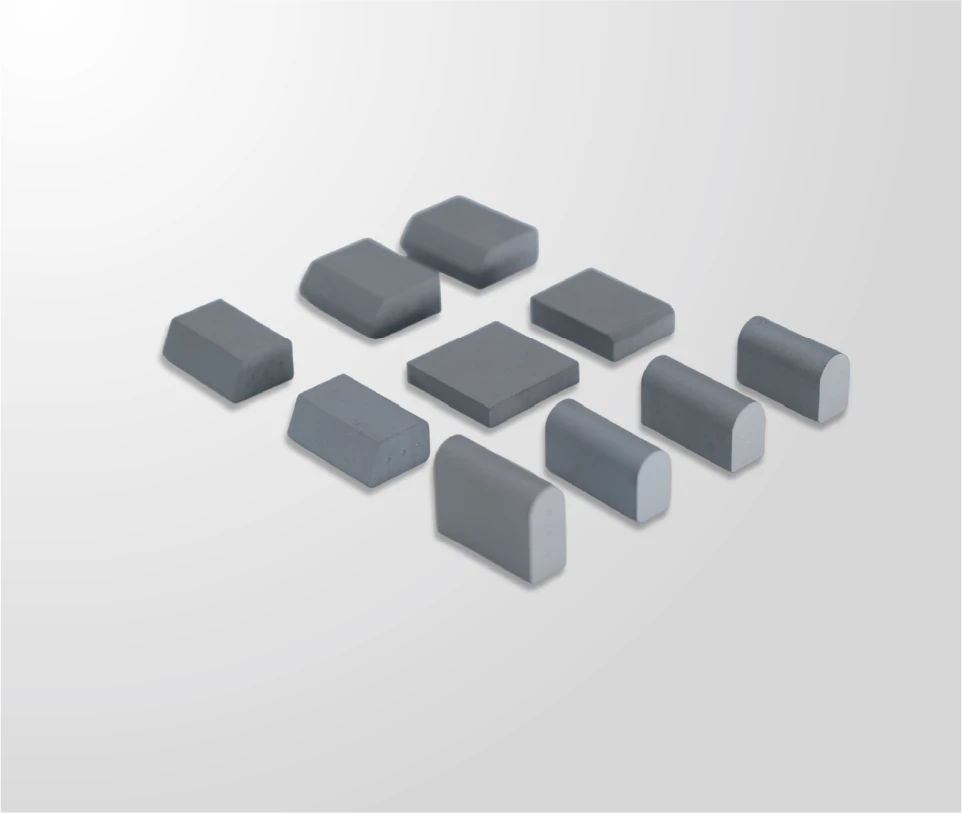
Hardened steel, rubber, and polyurethane cover many Meyer-style models; carbide is an upgrade path after measuring geometry.
Model-specific steel, rubber, and poly options exist for common Meyer-style plows. Buyers still mismatch holes when they order by name only. Photograph the worn edge, verify centre punches, and decide carbide only after duty cycle and surface notes are written. Torque and re-torque after the first shifts matter as much as material choice.
Overlooked in overview text: batch ID recording on the first carbide swap so warranty photos link to a sinter or production lot.
Steel remains the familiar bay SKU. Upgrade to carbide when abrasive asphalt or chip seal already forces mid-storm changeouts on the same truck class. Keep steel (or a sacrificial runner strategy) where curb strikes and manhole lids dominate. Carbide inserts resist grit; they do not forgive impact technique.
Browse family layouts on the carbide snow plow blade page after you lock hole data. Highway material framing also sits in the snow plow blade selection guide.
| Route signal | Prefer | Watch-out |
|---|---|---|
| Abrasive asphalt / chip seal, frequent steel changeouts | Carbide carrier edge | Need measured attack angle and sane down-pressure |
| Property lots, decorative concrete | Rubber-flex / JOMA-style | Hardpack ice may still need a carbide kit on separate trucks |
| Soft gravel / frequent curb hits | Steel or guarded steel | Carbide chipping risk rises |
| Mixed municipal night routes | Sectional mix by truck bay | One SKU for every plow creates pavement complaints |
Rubber options for property work
Commercial property contracts punish scrape marks more than leftover millimetres of snow. Rubber-flex and JOMA-style systems share wear differently than rigid carbide bars. If Meyer-style trucks also clear HOA courtyards, do not hang highway carbide on those moldboards by habit. See JOMA-style blade for flex-edge geometry language.
Hole elongation and wear plate cues
Elongated holes and mushroomed wear plates tell you the moldboard, not just the edge, needs attention. Re-bush or repair before hanging carbide. Document plate thickness so the next RFQ does not under-bolt a taller stack. Night crews should tag any edge that walked on bolts; that tag belongs in the next purchase file.
Torque and re-torque after first shifts
Salt, cold steel, and vibration loosen fasteners. Spec bolt grade and length with the edge, apply the shop torque method, and re-torque after the first full shift on a new set. Reusing salt-welded hardware is a false economy that shows up as missing edges mid-storm.
Documentation for warranty
Keep batch marks, packing photos, install date, truck ID, and wear photos at left/centre/right stations. Warranty language on supplier sites typically covers workmanship for a defined window from shipment, not impact abuse. SENTHAI publishes twelve-month workmanship terms on its warranty page; always file the batch ID with the claim pack. Process narrative and ISO 9001 / ISO 14001 certified processes are stated per company website; do not invent certificate numbers in a municipal bid.
Seasonal spare matrix
Build a spare matrix by moldboard drawing revision, not by “Meyer truck count.” Count how many bars share identical hole charts, then stock steel versus carbide versus rubber by route class. Import buyers should align dock capacity with season timing; weather timing context is available from NWS products without turning a parts page into a forecast desk.
Road-weather ops pressure that justifies spare depth is summarized by FHWA Road Weather Management. Canadian fleets crossing jurisdictions should keep Transport Canada expectations in the same folder as drawings.
Meyer-style aftermarket language to put on the purchase order
First-storm checks after a Meyer-style carbide swap
After the first route with a new Meyer-style carbide edge, check insert faces for early chip-out, confirm bolts still meet torque, and photograph both ends against a scale. Soft shoulders and frost heaves show up here before a full season claim package is even relevant.
If chatter or uneven wear appears in the first shifts, stop and re-check attack angle and hole elongation before ordering a second truck set. A meyer snow plow cutting edge upgrade fails as a program when the first install issues are treated as “normal break-in” without notes.
Meyer-pattern edges, including repaired mounts, are on the Meyer cutting edge page.
FAQ
Is a Meyer-style aftermarket edge the same as an OEM Meyer part?
No. Meyer-style is trade shorthand for geometry that often fits Meyer-branded plow bodies after measurement. It is not an OEM-authorized part and does not guarantee fit without hole-chart confirmation.
Should every Meyer-style truck run carbide?
No. Carbide suits abrasive asphalt and chip seal when steel changeouts already interrupt storms. Property and decorative surfaces usually need rubber-flex; soft gravel may stay on steel.
What photos belong in a Meyer-style RFQ?
Overall length with ruler, both faces, hole centres, end distances, and any wear-plate or curb-guard stack. Add truck ID and route surface class so grade advice matches duty.
How do we handle elongated bolt holes?
Repair or bush the moldboard before ordering any new edge. Ordering to an egg-shaped worn bar copies the failure into the next season.
Keep a sample edge or cardboard template tagged to that PO language. Geometry drift between seasons is common when buyers reorder by brand nickname alone.
Fleets searching meyer snow plow cutting edge often need an aftermarket geometry match, not an OEM carton. Write “Meyer-style / aftermarket equivalent” plus measured length, hole pattern, and edge material on the PO so receiving and warranty desks share one description.
Request Specs or a Quote
To match an edge to your fleet, email [email protected] the plow make and model, length, thickness and bolt pattern, along with a note on the surfaces you clear. Photos of a worn edge can replace missing numbers. Replies come in English or Chinese, usually within one working day. MOQ and lead time are confirmed in the quote per product family rather than given here.
Related Articles
- Meyer-style plow edge options
- Carbide snow plow blade
- Aftermarket vs OEM edges
- Snow plow blade selection guide