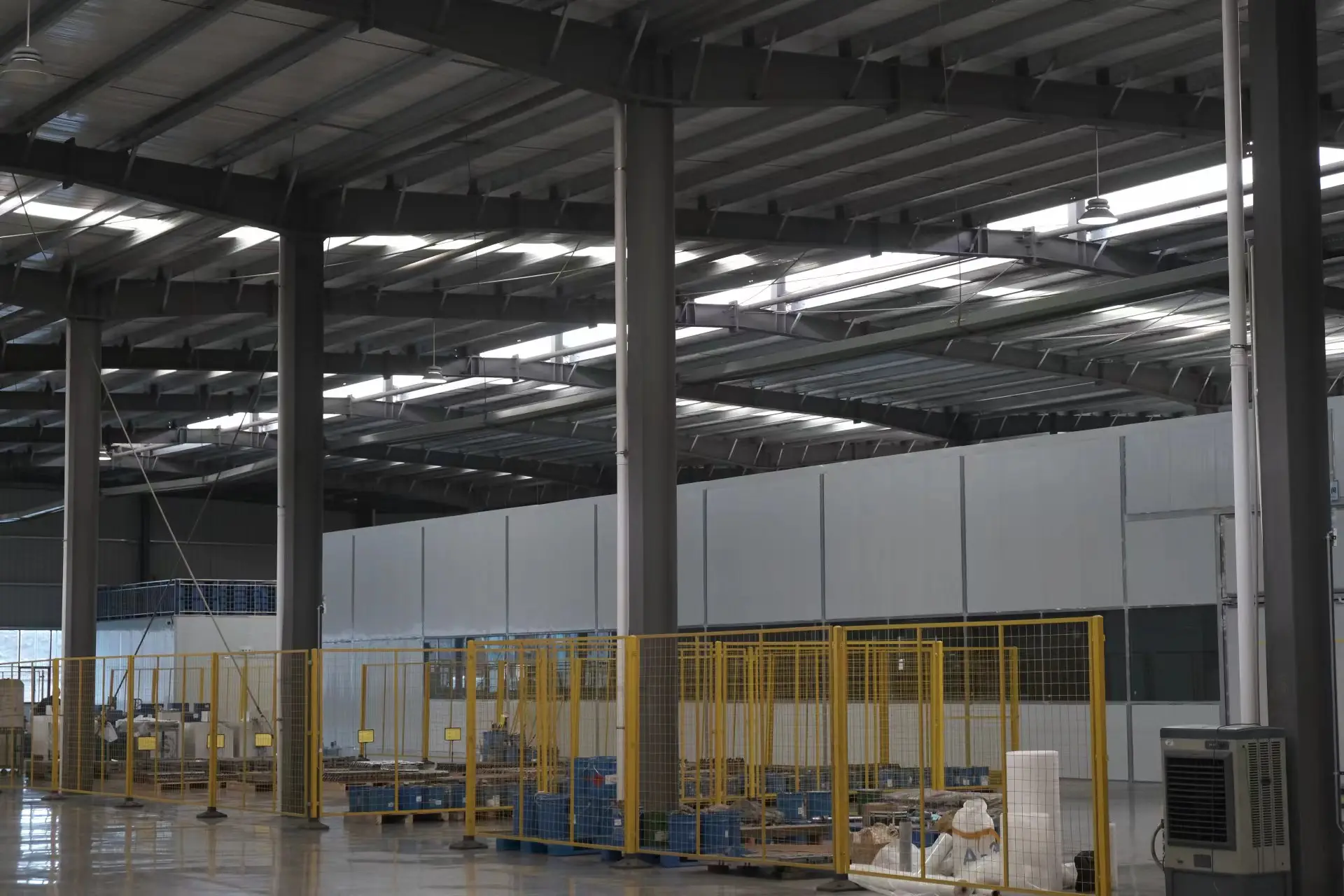
Nine part numbers across thirty machines is a common shape for a fleet that has grown by acquisition and by replacement, and it usually produces a store room holding stock of every one of them. The cost of that variation is rarely the unit price of the blades; it is everything that happens around them, from the lines held to the fittings attempted with the wrong edge.
This is a cost anatomy of variation, followed by the route out of it. It breaks the cost into its drivers, works through mapping an inventory and choosing a target family, deals with legacy equipment, and sets out a migration that runs over two seasons rather than one.
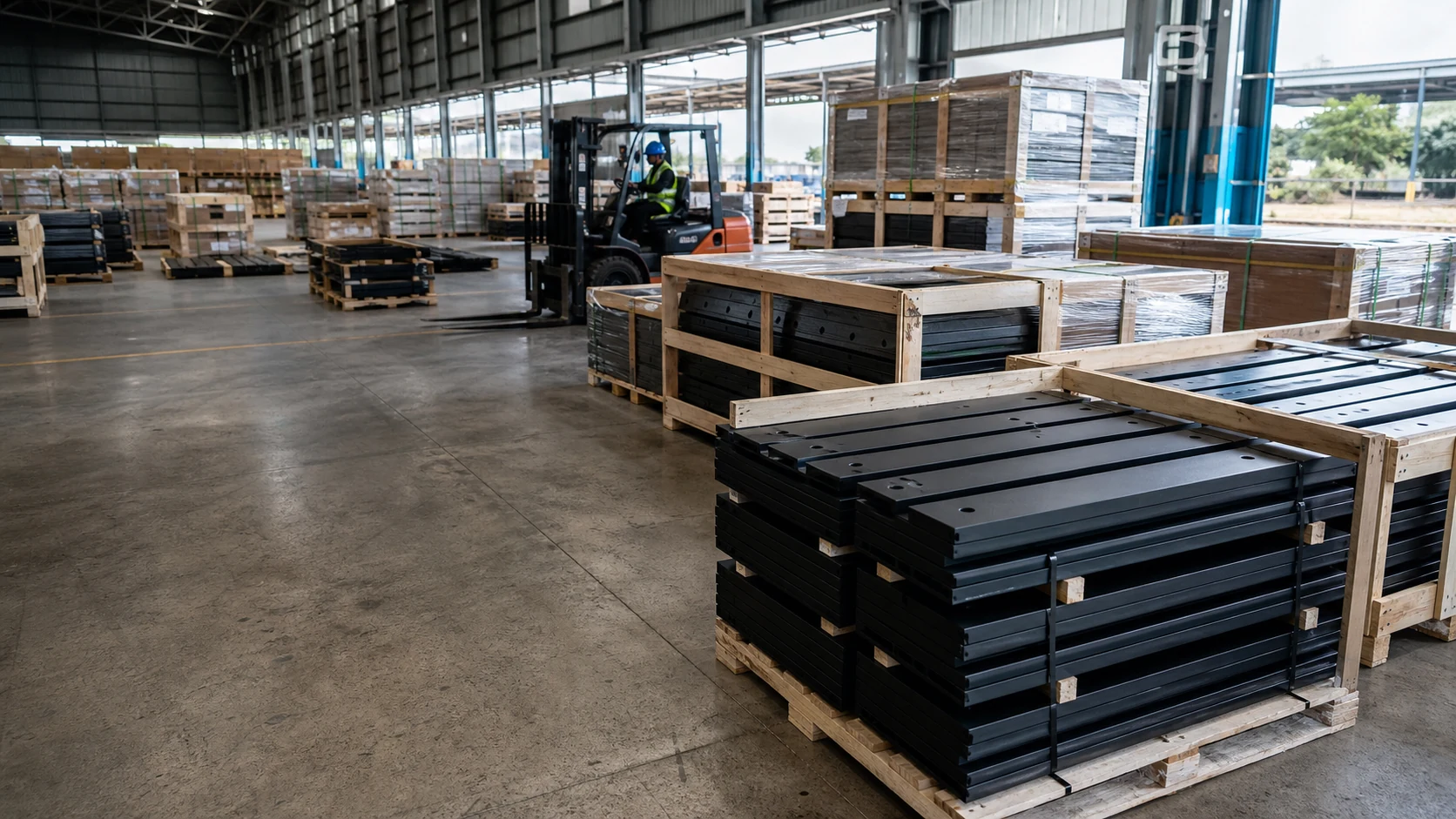
Where variation actually costs money
Variation costs money in five places, and only one of them appears on a purchase order. The store room holds a minimum quantity of every part number, so the total stock rises without any single line being excessive. Capital is tied up in that stock, and some of it will obsolesce before it is used.
The other four are operational. Fitting takes longer because the right edge has to be found and verified rather than drawn from a known position. Mistakes happen, because two similar edges can be offered up to a machine they do not fit. Training and documentation multiply with the number of combinations. And procurement leverage falls, because each part number’s volume is too small to be worth negotiating.
The reason fleets underestimate the total is that four of those five are spread across labour, downtime and store overhead rather than collected in one place. A standardisation case therefore has to be built from records rather than from a parts invoice, which is what the mapping exercise in the middle of this article produces.
The two kinds of variation a fleet carries
Not all variation is waste, and the first step is to separate the two kinds. Required variation exists where machines genuinely need different edges: different working widths, different mounting patterns, or duties far enough apart that one specification cannot serve both. Accidental variation exists everywhere else, and it is the legacy of successive purchases, supplier changes and one-off orders.
The practical distinction is testable. A required difference can be justified by a dimensional or duty reason and would be reproduced by any engineer starting from the fleet’s requirements. An accidental difference is one that nobody can explain, and those are the part numbers that absorb store space and produce fitting errors without doing anything the fleet needs.
Fleet blade standardisation: where the cost of variation sits
Standardise to cut part numbers, not to reach one.
The cost of variation sits in four places, and each one moves with the number of distinct blades the fleet carries. The table below sets out the driver and what it does as part numbers multiply, which is the shape of the case for reducing them.
| Driver | Effect of more part numbers | Where it is recorded |
|---|---|---|
| Stock held | Minimum quantity per line, so total stock rises faster than usage | Store room inventory value |
| Fitting time | Finding and verifying the right edge takes longer per change-out | Workshop hours per change |
| Fitting errors | More similar-looking edges, so more wrong fits and reworks | Rework hours and rejected parts |
| Procurement leverage | Volume per part number falls, so per-unit pricing weakens | Purchase price per edge |
The last row is the one that gets the most attention and matters least. A consolidated volume improves the unit price, but the first three lines are what make standardisation worthwhile on a fleet that already negotiates reasonably.
Mapping current blade inventory
The mapping exercise produces the evidence the decision rests on, and it takes a store visit and a workshop visit rather than a data project.
- List every part number the fleet has bought in the last two seasons, with the quantity used.
- Record which machines each part number is fitted to, and whether that is by design or by history.
- Measure the working width, thickness and bolt pattern of each distinct edge in store.
- Record the stock level against each part number, including the quantity that has not moved in two seasons.
- Note the duty each machine works, so the required variation can be separated from the accidental.
The fourth step usually produces the most striking figure in the exercise. A store room with a large number of part numbers tends to hold a full minimum quantity of each, and the lines that have not moved in two seasons are capital the fleet has already decided it does not need.
Choosing a target blade family
The target family is the smallest set of edges that covers the duties the fleet actually works. Choosing it means grouping machines by duty first, then checking whether the groups can share an edge rather than assuming they cannot.
Two constraints limit how far the grouping can be pushed. Mounting patterns are fixed by the machines, and where two machines have different patterns they cannot share an edge without a mounting modification. And duties that are far apart, such as a long abrasive route and a short urban one, usually warrant different specifications, because forcing them onto one edge means either wearing one out too fast or over-specifying the other.
Handling legacy equipment
Legacy machines are where standardisation programmes stall, and the decision for each one is between adapting and running it out. Adapting means bringing the machine’s mounting to the target family, which is worth doing where the machine has years of service ahead of it. Running it out means keeping a stock of its current edge sized for its remaining life, which is usually cheaper for a machine that will be replaced.
Two figures decide between the two: the expected remaining service life of the machine, and the cost of the mounting modification. Where the modification costs more than keeping a small legacy stock, the programme should leave that machine alone and record it as a deliberate exception rather than an oversight.
Spares and storage savings
Consolidation produces savings that are easy to predict once the inventory is mapped, and the table below sets out where they come from.
| Item | Before consolidation | After consolidation |
|---|---|---|
| Lines held | One minimum stock per part number | Fewer lines, each with higher but proportionate stock |
| Obsolescence | Slow-moving lines sitting for seasons | Fewer slow-moving lines to write down |
| Fitting time | Search and verification per change-out | Known position per machine class |
| Wrong fits | Similar edges offered to the wrong machine | Fewer combinations to confuse |
Read across the second row and the case becomes fiscal rather than operational. Obsolescence is a real cost that has usually already been paid, and consolidation is partly an exercise in not paying it again.
Procurement leverage effects
Consolidating volumes onto fewer part numbers changes what can be negotiated, though less than fleets expect. The volume effect is real where the fleet’s spend is concentrated enough to matter to a supplier, and it is modest where the fleet is one of many small customers.
The larger and less obvious effect is on specification rather than price. A fleet buying a single blade family can specify it precisely, track its performance, and change it on evidence; a fleet buying nine cannot, because no single part number has enough history to compare. That is the argument that carries standardisation with engineering audiences, and it is usually true even where the price effect is nil.
Migration plan over two seasons
Migration is best run over two seasons, because the alternative is scrapping usable stock.
- Season one: complete the mapping, choose the target family, and stop buying outside it except for legacy machines.
- Season one: run down existing stock by fitting it to the machines it was bought for, rather than writing it off.
- Season two: re-edge the machines whose mountings are being adapted, and draw from the target family.
- Season two: review what remains, and either keep a small legacy stock deliberately or dispose of it.
The second step is the one that makes the timeline work. A fleet that stops buying outside the target family and lets the existing stock run down has no write-off, and it reaches the same place a season later than a programme that scraps stock to move faster.
Making an exception visible rather than silent
A standardisation programme will always carry exceptions, and the difference between a programme that holds and one that erodes is whether the exceptions are recorded. A legacy machine kept on its own edge is a decision; the same machine drifting back to an old part number because nobody wrote down why it was excluded is how the fleet returns to nine part numbers.
The record that prevents it is short: the part numbers in the target family, the machines covered by each, and the exceptions with the reason and the expected date they end. Inventories that change over seasons are handled on the blade inventory planning page.
What the case needs to say to be approved
A standardisation proposal is approved on three figures rather than on a principle. The value of stock held outside the target family, including the lines that have not moved. The workshop hours currently spent on fitting and rework that consolidation would remove. And the number of part numbers the fleet would carry afterwards, with the exceptions named.
Those three are enough to make the decision, and they come directly from the mapping exercise, which is why the exercise is worth doing properly rather than estimating. Procurement practice at fleet level is published by the National Association of Counties and the American Association of State Highway and Transportation Officials, equipment specification practice by the Association of Equipment Manufacturers and SAE International, and winter maintenance research by the Transportation Research Board.
SENTHAI manufactures plow edges, wear plates and carbide inserts in Rayong, Thailand, and supplies fleets and distributors against a specified pattern, which is what allows several machines to be covered by one edge family where the mounting allows it. Consolidation questions, including which machines can share an edge, can be raised through the contact page.
FAQ
How many different blades should a fleet carry?
As few as the equipment genuinely requires, which is usually more than one and fewer than the fleet currently holds. The useful test is whether two blades differ because the machines need them to, or because they were bought at different times from different suppliers.
Does standardising reduce blade cost per unit?
It can reduce the total cost even where the unit price does not fall. Fewer part numbers mean fewer lines held, less material obsolescing in store, and fewer mismatches at the point of fitting, and those three usually outweigh the price effect of consolidating volumes.
What do I do with legacy machines that use a discontinued blade?
Decide per machine whether to adapt the mounting to the target family or to run the legacy blade to retirement with a stock sized for its remaining life. Keeping a small stock of a legacy edge is often cheaper than adapting a machine that will be replaced.
How long does standardisation take?
Two seasons is a realistic pace for most fleets. One season to map the inventory and choose the target, and a second to let the legacy stock run down as machines are re-edged. Attempting it in a single season usually means scrapping usable stock.
Can standardisation go too far?
Yes. Reducing to a single blade across machines with genuinely different duties forces a compromise specification that performs poorly on the routes it was not chosen for. The target should be the smallest set that still matches the duties in the fleet.
Send the part numbers in use, the machines they are fitted to and the duties each machine works. The SENTHAI engineering desk will identify which machines can share an edge and which need to stay separate.