The airport snow removal vehicles and equipment market—including the US airport snow removal vehicles equipment market—is best understood as two linked layers: capital equipment (plows, blowers, brooms, multi-function chassis) and recurring wear parts that those machines consume every season. Market commentary that mixes the two clocks misleads both fleet planners and suppliers.
(Last modified date: November 12, 2026)
This page stays on market structure, equipment categories, buyer segments, and replacement cycles. It is not a model-versus-model guide. For MB3 versus MB5 capability differences, use MB3 vs MB5 airport snow removal. For the consumable edge layer, see the carbide snow plow blade product page and the broader snow plow hub.

What the airport snow removal vehicles and equipment market can and cannot measure
Public discussion of the airport snow removal vehicles and equipment market often cites fleet counts, programme budgets, or vendor landscapes. Those inputs can show direction: which airports invest in multi-function units, which still run dedicated plow and broom combinations, and how regional climate drives readiness standards. They cannot tell a single airfield how many edges it will consume next winter.
This article does not invent market size totals or growth rates. Use published aviation and transportation sources for directional context, and use your own storm hours, lane-kilometres, and condemning records for quantity. When a report blends vehicle sales with aftermarket parts, ask which layer the figure describes before you plan a budget line.
How US airports buy snow removal equipment
US airport snow removal equipment (SRE) is shaped by federal guidance more than most municipal fleets. The FAA publishes advisory circulars on airport snow and ice control equipment (AC 150/5220-20) and on field condition assessments and winter operations (AC 150/5200-30), and eligible airports can seek funding through the Airport Improvement Program.
| Layer | Examples | Buying rhythm |
|---|---|---|
| Vehicles and equipment | Plow trucks, rotary blowers, brooms, multi-function units, chemical spreaders | Multi-year replacement plans, often grant-supported |
| Wear parts | Cutting edges, carbide inserts, broom bristles, blower components | Every season, from operating budgets |
Edges for airfield plows are covered on the carbide snow plow blade page.
Equipment categories in the market
Categories that usually appear in the airport snow removal vehicles equipment market include:
- High-speed plow trucks and airport-rated plow chassis
- Rotary blowers for deep accumulation
- Brooms and air-blast units for thin cover and friction recovery
- Multi-function vehicles that combine plow, broom, and blower roles
- Material spreaders and liquid systems where chemical programmes are approved
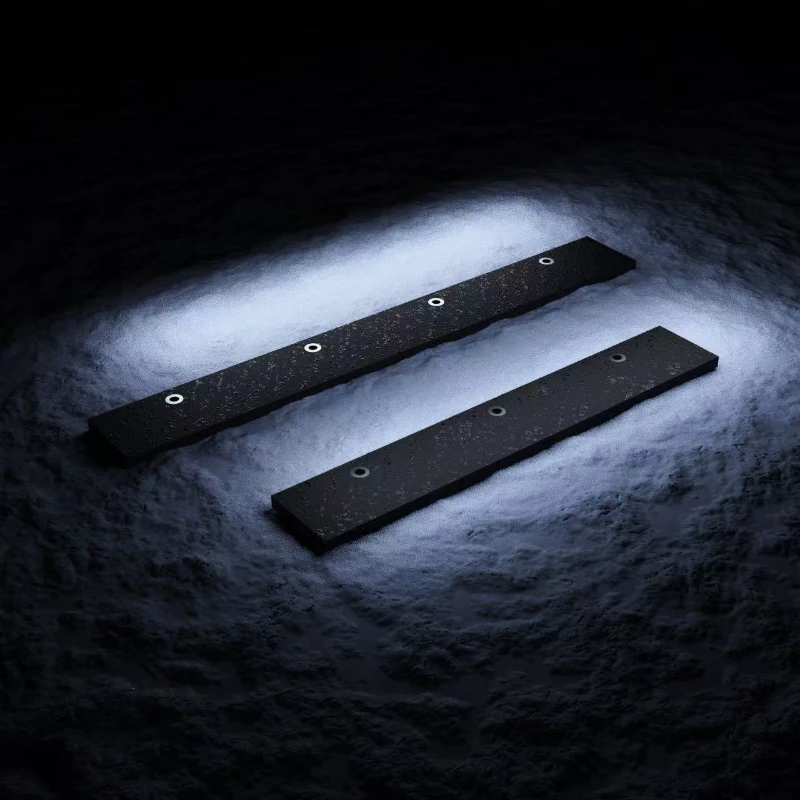
- Wear parts: cutting edges, shoes, carbide inserts, and related hardware
Procurement often splits across capital committees (vehicles) and operations or maintenance (edges and consumables). A healthy reading of the market keeps those budgets separate even when one OEM supplies both.
Buyer segments and procurement models
Primary buyers include airport authorities, fixed-base and contract operators, and municipal partners that share runways or access roads. Purchasing models range from competitive capital tenders with long specification annexes to cooperative contracts and staged fleet replacements. Wear parts may be bought under annual agreements, OEM channels, or qualified aftermarket suppliers.
US airport snow removal vehicles equipment market practice often emphasizes published standards, friction and clearance expectations, and documentation for safety-critical operations. Exact standard callouts belong in the airfield’s own manuals; suppliers should ask which documents govern the bid rather than assuming a single national template.
Replacement cycles and fleet age
Vehicle replacement cycles follow capital planning, utilization, and parts obsolescence. A chassis may remain in service across many winters while plow heads, brooms, and edges turn over on a seasonal rhythm. Fleet age statistics therefore explain capital pressure better than they explain next month’s edge order.
Wear-parts attach rates—the consumables pulled through per vehicle per season—are the practical bridge between market structure and a buyer’s storeroom. Two airports with similar vehicle counts can show very different edge demand if pavement, storm frequency, and blade material differ. Track attach rates from your own CMMS or storeroom issues.
Where MB3 vs MB5 fits (and where it does not)
Capability classes such as MB3 and MB5 describe what a piece of equipment is expected to accomplish in airport snow removal operations. They matter when an airfield is choosing or justifying a vehicle class. They do not replace a market-structure view, and they should not be collapsed into this article’s equipment-category discussion.
For differences and use cases between those classes, read MB3 vs MB5 airport snow removal. Keep this page for market layers, buying trends, and how wear parts attach to the fleet.
Implications for suppliers and for airfield buyers
Suppliers should present vehicle programmes and consumable programmes as related but separate offers, with lead time confirmed with the quotation for each. Buyers should ask market briefings to state whether figures refer to vehicle shipments, installed base, or aftermarket parts. Neither side should treat a headline growth percentage as a purchase order.
When the decision is which edge material to stock for high-speed plow work, go to product and application pages such as the carbide snow plow blade rather than to a market overview.
How suppliers should brief the market without over-claiming
A useful supplier briefing on the airport snow removal vehicles and equipment market separates three numbers: vehicles offered or shipped, vehicles in the installed base that still need support, and seasonal wear-parts throughput. Mixing those into one “market” sentence creates false urgency for capital budgets and understates the recurring edge problem operations already feel.
When an airfield asks for trends, answer with category shifts you can defend—more multi-function chassis here, continued dedicated broom use there—and then ask for the airfield’s own storm log before recommending stock levels. That keeps the conversation honest and points consumable decisions toward pages such as the carbide snow plow blade rather than toward a speculative growth chart.
FAQ
What is the airport snow removal vehicles and equipment market?
It is the combined space of airport-rated snow vehicles—plows, blowers, brooms, multi-function units—and the wear parts those fleets consume. Always ask whether a figure refers to capital equipment or aftermarket consumables.
What is the US airport snow removal vehicles equipment market focused on?
The US airport snow removal vehicles equipment market discussion usually covers airport authorities and contractors, equipment categories suited to runway and ramp clearance, and procurement models that separate capital fleets from seasonal wear parts. Use local standards documents for compliance details.
How should buyers use market trends without inventing growth rates?
Use market structure to see categories and buying models, then size orders from your own storm hours and condemning records. Do not treat unpublished or guessed growth percentages as planning inputs.
Where do MB3 and MB5 comparisons belong?
MB3 vs MB5 comparisons belong on the dedicated MB3 vs MB5 airport snow removal article, which covers capability differences. This market page stays on structure, categories, and replacement cycles.
Which FAA documents cover airport snow removal equipment?
AC 150/5220-20 covers airport snow and ice control equipment, and AC 150/5200-30 covers field condition assessments and winter operations. Check the current revision on the FAA website.
Planning airport fleet consumables for the next season? Share vehicle types and edge usage notes with [email protected]. SENTHAI will help separate capital questions from wear-parts stocking—with lead time confirmed with the quotation.