Winter road maintenance technology pays back when it changes how much material you apply, how many passes you run, or how often you remobilize—not when it only adds another screen. The technologies that tend to earn their keep are the ones tied to a written practice change you can compare season to season on the same routes.
This article answers what actually pays back at the practice level. What to measure with sensors belongs on winter road maintenance sensors and measurement. Mechanical readiness still sits under snow plow wear parts and carbide snow plow blade choices when pack drives overtime.
What “pays back” means here
Payback means the technology enables a cheaper or more reliable outcome for the same level of service: fewer wasted treatments, fewer emergency call-backs, or cleaner first passes because edges and timing improved. It does not mean a vendor slide with invented ROI months or dollar savings. This page stays qualitative on purpose.
Pick a comparable unit your agency already trusts—cost or material per lane unit, overtime hours on a defined corridor, or complaint counts on the same sites. Hold weather context in the notes so a mild season is not mistaken for technology success.
Technologies that usually move the needle
- Pre-wet / brine programmes that cut scatter loss when routes and triggers are real
- Ground-speed linked spreading that stops “guess rate” when calibration is maintained
- Route decision support fed by sensors that crews actually use (see the measurement article)
- Cutting-edge upgrades that reduce passes on pack routes when change-out discipline exists
Each item only pays when operating rules change with the purchase. A brine tank unused because night supervisors never authorize pre-treatment is a parked asset, not a win.
Technologies that often stall
Dashboards without decision rights, sensors without cleaning budgets, and “smart” spreaders without calibration all fail the same way: data exists, practice does not move. Buying three systems in one off-season without a single owned metric is a common way to spend a technology budget and keep the same cost per lane unit.
Separate shopping lists. Use sensors and measurement to define what you will read; use this page to insist that each read ties to a practice change you can audit.
A practical payback sequence
- Name the service outcome you refuse to worsen (opening time, friction target language in your plan, complaint threshold).
- Pick one comparable unit and one corridor as the pilot.
- Install or change one technology class at a time.
- Log treatments, passes, and exceptions beside weather notes.
- Review after a defined period of winter operations—not after a vendor demo week.
If the pilot cannot show a practice change, stop before scaling. Do not invent payback timelines to justify a roll-out.
Where plow hardware fits
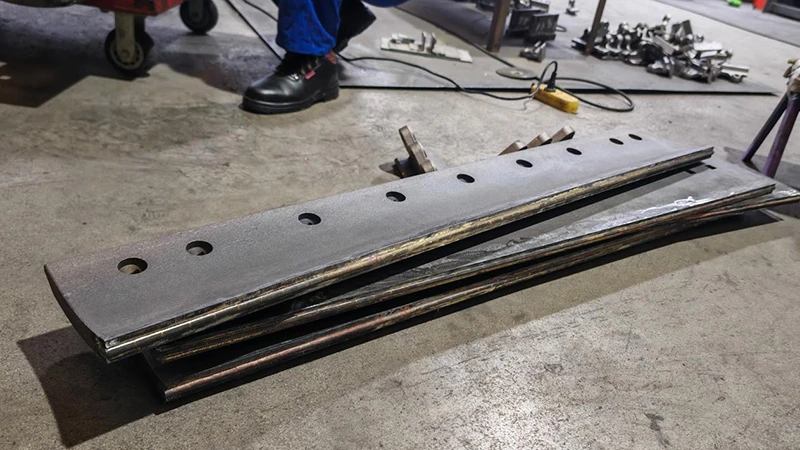
Carbide and other edge upgrades pay when they cut remobilization on pack-heavy segments and when change-outs are planned. They do not fix a chemical programme that has no triggers. Quote edge kits with photos and route notes; lead time is confirmed with the quotation via [email protected].
FAQ
What winter road maintenance technology actually pays back?
Technology that changes application, pass counts, or remobilization on defined routes—and that you can compare with a unit you already trust. Screens that never alter a decision rarely pay back.
How should we judge winter road maintenance technology without invented ROI?
Use the same corridor, the same service standard, and a comparable unit such as material or cost per lane unit, plus overtime or call-backs. Record weather context. Avoid vendor months-to-payback claims you cannot audit.
How is payback different from sensor measurement?
Measurement defines what to read and how readings change decisions. Payback asks whether the technology-plus-practice package improves a comparable cost or service unit. Keep those intents on separate pages and cross-link them.
Do plow edges count as technology payback?
They can, when fewer passes or fewer failures on pack routes show up in your pilot log. Edges are not a substitute for a working chemical or sensor decision process.
Piloting winter practice changes that include edge upgrades? Send corridor notes and current edge photos to [email protected]. Lead time is confirmed with the quotation.