Can you use pool salt as ice melt? Yes. Pool salt is usually plain sodium chloride, the same chemical as rock salt, so it melts thin ice when the pavement is about 15°F (−9°C) or warmer. Below that it works very slowly, it does nothing for deep snow, and like any chloride it can damage young concrete, plants and metal, so treat it as a stopgap rather than your winter plan.
(Last modified date: November 12, 2026)
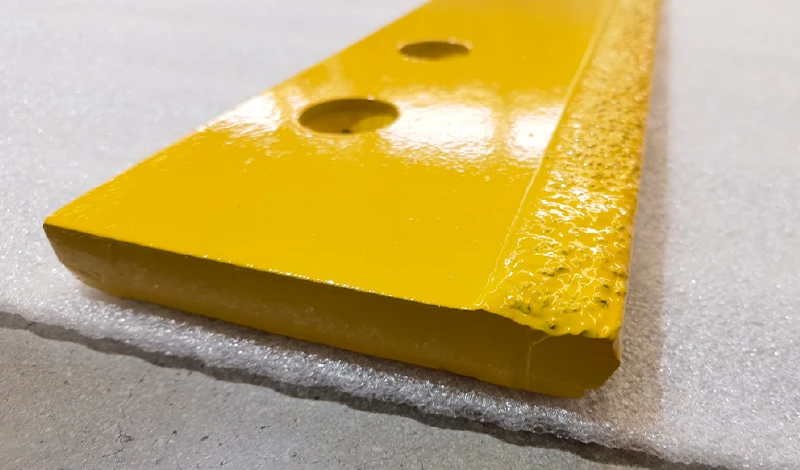
This article separates chemistry from winter practice so homeowners and small commercial sites can decide when bagged pool or softener salt is an emergency stopgap and when a proper de-icer—or mechanical clearing with a carbide snow plow blade—is the better path. For commercial brine programmes, see brine application for commercial properties. For packed ice that salt alone will not finish, see the packed ice carbide kit.
What pool salt and softener salt actually are
Pool salt and many water-softener salts are primarily sodium chloride. The bag may be cleaner, more uniformly sized, or shaped as pellets for a softener tank, but the ice-control chemistry is still chloride-based freezing-point depression. That is why people ask whether pool salt will melt ice: chemically it can start the same reaction as rock salt, yet packaging, crystal size, and additives change how evenly it spreads and what it leaves behind.
Road salt and dedicated ice-melt blends are formulated and graded for spreading, storage, and cold performance. Some include other chloride salts or additives aimed at colder service or reduced clumping. Pool and softener bags are formulated for water chemistry, not for pavement friction or plow follow-up. Treating them as interchangeable “ice melt” is the core mistake.
Will pool salt melt ice? Temperature and surface limits
Pool salt can melt ice when the pavement is near the mild end of winter conditions and the ice film is thin enough for brine to form and spread. As air and pavement temperatures fall, sodium chloride becomes less effective; crews then need either a product rated for colder service, more mechanical removal, or both. The pavement temperatures and melt times below come from Minnesota state winter-salt guidance; your product label and site plan still decide the rate.
Surface type matters as much as temperature. Bare concrete, sealed driveways, decorative stone, and metal thresholds respond differently to chloride residues and to freeze–thaw cycling after a partial melt. If the site owner cares about staining, spalling, or tracked-in grit, a cleaner-looking pool salt bag is not automatically safer; it is still a chloride product.
Pool salt vs ice melt: the temperature numbers
Whether pool salt works is mostly a question of pavement temperature, not air temperature. Minnesota’s Smart Salting guidance gives these lowest practical melting temperatures for common deicers:
| Product | Main chemical | Lowest practical pavement temperature |
|---|---|---|
| Pool salt, rock salt, most softener salt | Sodium chloride (NaCl) | About 15°F (−9°C); stops working at −6°F (−21°C) |
| Potassium-based softener salt | Potassium chloride (KCl) | About 25°F (−4°C) |
| Magnesium chloride ice melt | MgCl2 | About −10°F (−23°C) |
| Calcium chloride ice melt | CaCl2 | About −20°F (−29°C) |
Speed drops just as fast. The Minnesota Pollution Control Agency’s deicer fact sheet shows one pound of sodium chloride melting about 46 lb of ice in 5 minutes at 30°F, but only about 6 lb in an hour at 15°F; at 10°F dry salt is described as ineffective and likely to blow away before it melts anything. Sources: Minnesota LTAP Winter Salt Guide and MPCA deicer fact sheet (PDF).
So pool salt vs ice melt is not about purity. A bag of 99% sodium chloride pool salt behaves like rock salt; a labeled ice melt that adds calcium or magnesium chloride keeps working on colder nights.
Is pool salt the same as water softener salt?
Often, but not always. Pool salt is sold for chlorinator cells and is normally fine-grained sodium chloride. Water softener salt comes as pellets, crystals or blocks and may be sodium chloride or potassium chloride. Check the bag: sodium chloride softener salt behaves like pool salt on ice, while potassium chloride stops being useful at a warmer pavement temperature (about 25°F). Pellets also roll off slopes and dissolve more slowly than fine crystals.
Driveway use: when bagged salt is a stopgap
On a residential driveway, pool salt is sometimes used because it is already in the garage. As a short emergency measure on a thin glaze, it can improve footing while you wait for a labeled ice melt or for a plow pass. It is a poor primary plan for repeated storms: crystal size may not spread evenly from a handheld scoop, pellets meant for softeners can roll off slopes, and you still need mechanical clearing for packed snow.
Before you empty a pool-salt bag on a driveway, check: Is the product plain sodium chloride or blended with other water-care chemicals? Is the surface new concrete or sensitive stone? Do you have a labeled ice-melt alternative on site? Will someone follow with a shovel or plow so you are not relying on salt alone?
Can you use pool salt to melt ice on a driveway? Check these risks first
- Concrete: chloride brine adds to freeze–thaw scaling, and new or poorly air-entrained concrete is the most vulnerable. Ask the installer before salting a slab poured this year.
- Lawns and plants: meltwater carries chloride into soil at the edge of the driveway; shovel first and use the least salt that gives footing.
- Metal and vehicles: chloride speeds corrosion on rebar, railings, garage-door tracks, vehicles and plow frames, which is why municipal fleets wash equipment after salt runs.
- Water: the MPCA notes that chloride does not break down once it reaches lakes and streams, so over-application is a permanent loss, not just waste.
Practical rule for homeowners: clear snow mechanically first, scatter pool salt thinly only on the remaining glaze when the pavement is above about 15°F, and switch to a labeled colder-rated ice melt or sand for traction when it is colder.
Snow versus ice: why the question splits
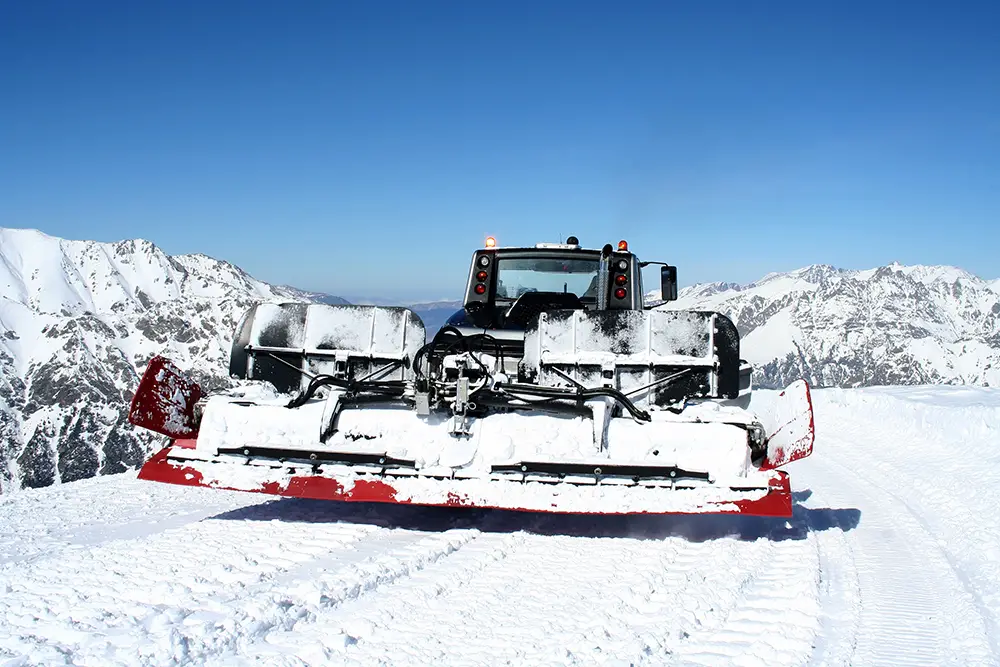
Loose snow is mostly a mechanical problem. A shovel, blower, or plow removes volume; salt is secondary and often wasted if broadcast into deep powder. Ice and bonded pack are chemical-plus-mechanical problems: you need a melt film or fracture path, then scraping. That is why “pool salt to melt ice” searches rise after freeze events, while plow and carbide-edge searches rise when pack builds.
When ice is bonded and thick, chloride from a pool bag may only polish the top or create a slippery brine film without releasing the pack. Mechanical tools—including carbide edges designed for packed ice—finish the job that bagged salt cannot. Pair this article with the packed ice carbide kit when the failure mode is bonded pack rather than a light glaze.
Chemistry and surface effects to keep in view
Chloride brine can accelerate corrosion on untreated metal, track into buildings, and contribute to concrete distress over repeated seasons when freeze–thaw is active. Softener pellets may contain binders or shapes that leave visible residue. Pool salt marketed as high purity is still not a pavement friction product. If a commercial property already runs brine or pre-wet programmes, DIY bagged salt on walkways can fight the site standard—coordinate with the plan in brine application for commercial properties.
Read the ice-melt label for cold-performance claims, keep pool and softener products in their intended systems when you can, and treat driveway broadcasting as a documented exception rather than a default.
Practical decision guide for small sites
- Thin glaze, mild conditions, labeled ice melt unavailable: limited pool-salt use may help footing until you restock.
- Deep cold, thick ice, or sensitive surfaces: choose a labeled de-icer and/or mechanical removal; do not expect pool salt to behave like a dedicated blend.
- Packed snow or bonded ice: clear mechanically first; salt is a follow-up, not the primary tool.
- Commercial lots already on brine: do not improvise with softener pellets; follow the site chemical plan.
FAQ
Can I use pool salt as ice melt?
You can use pool salt as a limited stopgap because it is typically sodium chloride, but it is not formulated as ice melt. Expect weaker cold performance than dedicated products and plan for residue and surface effects; prefer a labeled ice-melt product for reliability.
Will pool salt melt ice?
Pool salt can melt thin ice in milder conditions by forming brine, but effectiveness falls as pavement gets colder and as ice thickens. It will not replace mechanical clearing on packed snow or bonded ice.
When should I switch from bagged salt to mechanical tools?
Switch when ice is bonded, snow is deep, or salt only creates a slippery film. Use plows or carbide edges—such as a carbide snow plow blade or packed ice carbide kit—and keep commercial brine plans separate from DIY pool salt.
Can I use pool salt for snow?
Not on its own. Salt only melts a thin layer; shovel or plow the snow first and use pool salt on the glaze that remains. Broadcasting it into deep snow mostly wastes salt.
Can water softener salt be used to melt ice?
Yes if the bag says sodium chloride; it works like pool salt and rock salt down to about 15°F pavement temperature. Potassium chloride softener salt is less effective and stops being useful near 25°F.
Is pool salt and water softener salt the same?
Both are often sodium chloride, but pool salt is fine crystals for chlorinators while softener salt is pellets, crystals or blocks and may be potassium chloride. Read the label before using either on ice.
Clearing pack that salt will not finish? Share your pavement type and typical ice conditions with [email protected]. SENTHAI can point you to carbide edge options that match mechanical clearing—not chemical recipes.