The uncomfortable airport truth: the edge that clears hardpack fastest can also be the edge that creates FOD risk if inserts fracture on concrete joints. Apron procurement is a surface-protection problem first, a scrape-speed problem second.
Airport apron snow plow edges must balance scrape quality against FOD and concrete damage. Rubber-flex systems often protect surfaces; carbide and packed-ice kits can be used only with controlled trials, inspection, and ops approval. Document friction/chemical interactions and night changeout constraints in the procurement file. References: packed ice carbide kit, JOMA-style blade, carbide snow plow blade, and existing airport specification notes.
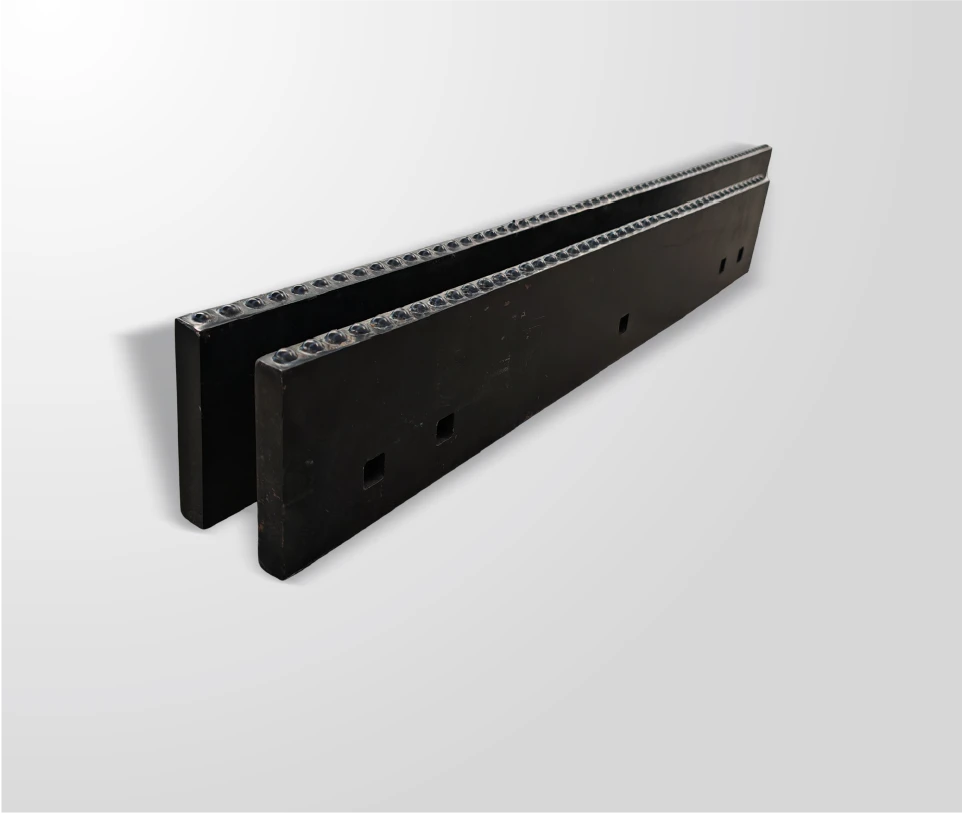
Apron FOD and surface damage risks
Fractured inserts, loose hardware, and gouged concrete create foreign-object and repair costs that dwarf edge unit price. Comparison mindset: choose the edge that meets scrape requirements with the lowest credible FOD risk for your stands and taxiways, not the edge that wins a highway abrasion race.
| Edge family | Apron strength | Apron caution |
|---|---|---|
| Rubber-flex / JOMA-style | Surface-friendlier scrape | May struggle on severe hardpack |
| Standard carbide | Abrasive durability | Chip/FOD risk on joints and fixtures |
| Packed-ice aggressive kit | Hardpack bite | Highest need for controlled trial + inspection |
Rubber-flex vs carbide on concrete
Concrete aprons punish aggressive carbide when joints and fixtures intervene. Rubber-flex often becomes the default for sensitive zones; carbide may stay on selected corridors after trial. Do not copy a highway carbide spec onto every apron truck.
Packed ice on stands and taxiways
Hardpack on stands is real. Aggressive kits can help but raise inspection burden. Use the packed-ice pilot discipline from municipal practice with airport ops control present. Guide: packed ice edge guide.
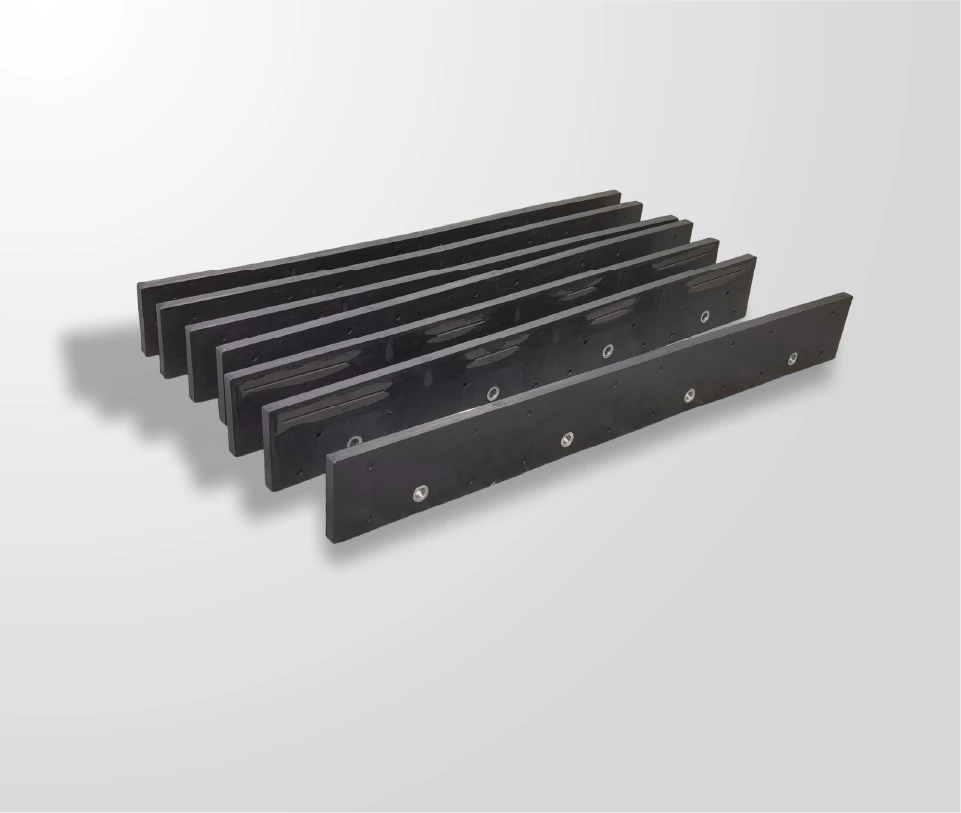
Friction and chemical interaction notes
Edge choice interacts with chemical programs and friction targets. Keep airside ops, chemicals, and edge drawings in one packet. This page does not set airport friction standards; follow your authority’s procedures and national guidance channels such as Transport Canada for Canadian contexts and applicable US airport authority rules.
Trial protocol with ops control
- Define zones and pass/fail scrape criteria with ops
- Inspect tips after every trial shift
- Log any hardware loss as automatic fail
- Freeze geometry before season buy
Documentation for airport procurement
Require drawings, batch marks, material callouts, and inspection SOPs in the bid. ISO process claims from suppliers should be backed by certificates on request, no invented numbers. SENTHAI states ISO 9001 / ISO 14001 certified processes per company website.
Night shift changeout constraints
Airside windows are short. Prefer systems crews can change under lighting and time limits you actually have. Spare depth matters more than on rural highways. Weather timing: NWS. Broader ops: FHWA (road weather framing; adapt to airside SOPs). Evaluation culture: ND DOT. Tungsten footnote: USGS.
Internal links
- Airport snow plow blade specification
- Packed ice carbide kit
- JOMA-style blade
- Carbide snow plow blade
Building an airside edge packet for procurement and ops
Create a single packet that ops control, procurement, and the night shift share: zone map, allowed edge families per zone, inspection frequency, FOD fail criteria, and changeout time limits. Airport work fails when each group keeps a private version of the rules.
Trial reports should be short enough to read between shifts: zone, edge batch, scrape score, tip condition, hardware losses, and a go/no-go recommendation. Attach photos. If a packed-ice kit is proposed for stands, require ops presence on the first nights and automatic stop rules for any tip fracture.
Procurement language should require batch marks and drawing revisions even when the edge is rubber-flex. Airside traceability matters for any material that can shed parts. Certificates of quality systems, when required by policy, belong in the vendor file, never as invented numbers in the public solicitation text.
After season close, review which zones actually needed aggressive carbide versus rubber-flex. Update the zone map before the next buy. Highway habits are a poor default for apron geometry; evidence from your own stands beats catalogue enthusiasm.
Airport apron surface protection and carbide edge choices
Apron edges prioritize FOD over highway wear.
Airport snow plow blades must clear snow without creating FOD or gouging concrete; rubber-flex often leads, carbide only after controlled trials.
Product carousels highlight heavy containment plows and runway gear. Apron procurement is still a surface-protection and logistics problem: night windows, inspection after every trial shift, and zone maps. Aggressive kits that win municipal hardpack can fail airside on joints and fixtures. Keep chemicals and friction programs in the same packet as the edge drawing.
Overlooked: batch marks and hardware-loss automatic-fail rules belong in the bid even for rubber-flex airside edges.
Apron work is low-speed, high-visibility, and logistics-constrained. Concrete abrasion profiles differ from highway chip seal, so interval advantages of carbide shrink while changeout windows grow more expensive because machines leave service around operations.
Choose edges for scrape quality and surface protection first, then for wear interval. Aggressive layouts that mark concrete or leave metal trails create airside complaints that outweigh parts savings. Document attack angle limits and any poly or rubber contact zones used near painted markings.
Buyer packet: apron position notes, measured hole chart, packing that survives airside handling, and batch marks if quality audits require them. Lead time stays quotation-specific; do not invent MOQ here.
FAQ
How wide is a snow plow blade?
Airport and apron plows vary widely; runway and apron equipment often differs from municipal highway lengths. Measure the installed edge or mouldboard for each truck class rather than copying a highway catalogue width. Record length with thickness and bolt pattern in the airside packet. Width alone does not decide material—FOD and concrete protection drive airport snow plow blade choices as much as scrape speed.
What edge materials protect airport apron concrete?
Rubber-flex and carefully specified poly or rubber contact often protect apron concrete better than aggressive highway carbide. Carbide and packed-ice kits may still be trialled on defined corridors with ops control and tip inspection. Fracture and loose hardware create FOD risk that outweighs unit-price savings. Choose the airport snow plow blade family by zone map, not by highway abrasion rankings.
How should airports evaluate snow plow blade suppliers?
Evaluate suppliers on drawings, batch marks, inspection SOPs, and willingness to support controlled apron trials—not on marketing claims of being the best. Require photo evidence packs, FOD fail criteria, and changeout time limits in the bid file. Prefer vendors who document rubber-flex versus carbide zone logic. Airside procurement should freeze geometry after trial, not chase catalogue hero SKUs.
Request Specs or a Quote
Share your spec with [email protected]: the plow model, edge dimensions (length and thickness), bolt pattern, and a short description of route surfaces, or simply photos of the edge you are replacing. You will normally hear back within a working day, in English or Chinese. Because MOQ and lead time differ by product family, they are confirmed in the quote and not stated here as a general number.