The machine stops two metres into the cut. The towel leaves a wet stripe down the middle of the ice, the operator finds a sheared bolt at the corner of the blade assembly, and the next ice slot is twenty minutes away.
Nothing about that failure was sudden. A blade bolt that shears has usually been loose or corroded for several resurfacings, and the parts that cause an unplanned stop are almost always the cheap ones nobody tracks. This is the map of what a resurfacer actually consumes, and the interval at which each item asks to be replaced.
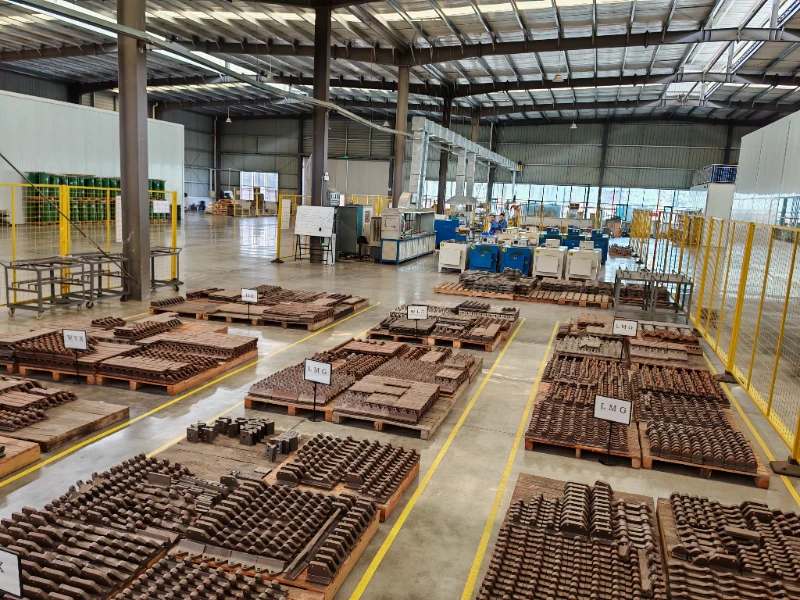
Ice resurfacing equipment wear parts: what the machine consumes
A resurfacer consumes parts in six systems.
The blade and towel, the water and wash circuit, the drive tires and their studs, the hydraulics and controls, the fasteners, and the consumables the operator replaces most often. Each system fails on its own clock, so the maintenance map follows those clocks rather than the calendar.
Two of the six cause most of the unplanned stops, and neither is the one an arena usually watches. The blade assembly decides whether the cut is flat; the fastener system decides whether the assembly stays attached. The studded tires decide whether the machine goes where the operator points it, and the hydraulics decide whether the blade and the conditioner lift and drop predictably. The water circuit and the consumables are the systems that degrade quality before they stop anything.
Reading the map that way changes what an arena stocks. A spare set of studs that costs very little prevents a lost ice slot; a spare pump that costs a great deal may sit on a shelf for years. The ranking is about consequence rather than about price.
Blade and towel system components
The blade and towel system is the part of the machine that touches the ice, so it sets both the finish and the load on everything behind it.
The blade cuts the high spots, and it is the component that determines whether the surface is level or rippled. The towel, or conditioner cloth, spreads the wash water and leaves the thin film that freezes into the new surface. Around them sit the holders, the springs or linkages that hold them in contact, and the hardware that keeps the whole assembly square to the machine.
The wear pattern is informative. A blade that wears evenly is cutting evenly; a blade with a corner worn more than the rest tells you the assembly is not square or the down-pressure is uneven across the width. A towel that tears at one edge usually indicates a holder that has lost its alignment rather than a bad towel, which is a distinction worth making before the next one is fitted.
Cutting edges and wear plates on the machine follow the same specification logic as the edges used on snow equipment, and test methods for the materials and for the hardness that decides their wear behaviour are published by ASTM International.
Water and wash system parts
The water and wash circuit degrades quietly, and it shows up as a finish problem long before it becomes a breakdown.
The components are the tank, the pump, the valves and the distribution bar or spray tube, and the filter that sits somewhere in the circuit. Wear appears as a pump that delivers less volume, a valve that no longer shuts fully, or a spray pattern that leaves dry patches because some holes have scaled or blocked. In hard-water areas the scale builds inside the circuit rather than on the ice, so the symptom is a weaker wash rather than an obvious deposit.
The maintenance action here is a volume and pattern check rather than a visual inspection. Confirm that the pump delivers the volume the machine expects and that the distribution is even across the full width, then clean or replace the parts that fail the check. Seasonal water chemistry varies by venue, and the local supply is the variable an arena can actually control.
Drive tires and studs
The drive tires and their studs are the parts that keep the machine under control, and they wear against the one surface that offers no friction.
Stud wear is gradual and largely invisible from the operator’s seat. The tips round, the load needed to make them bite rises, and the machine begins to feel as though it is sliding into turns before the studs look worn out. The tire body wears in parallel, both on the tread and around each stud hole, and that second wear is what eventually releases the studs.
The failure modes worth recognising are a rounded tip on a firmly seated stud, which is normal wear; a missing stud with an intact tip, which points at retention rather than at the tip; and a ring of studs worn more than the rest, which points at the pattern or at how the machine is turned. Each one leads to a different change, which is why the inspection record should capture the pattern and not only the count. Carbide wear parts for ice and snow equipment are produced to the same principles as the carbide insert range used on plows and graders.
Which repairs an arena can carry out itself and which need a technician depends on the equipment rather than on the operator, and equipment categories for the wider industry are described by the Association of Equipment Manufacturers. The tungsten carbide that goes into the studs and tips is covered by the International Tungsten Industry Association.
Hydraulic and control wear points
The hydraulic and control system is where a slow leak becomes a lost ice slot, and the wear points are predictable.
Seals, hoses, fittings and the cylinders that lift the blade and conditioner are the components that wear, and the electrical side contributes switches, sensors and the connectors that see water and cold. The control linkage between the operator’s hand and the blade height wears too, and a linkage that has developed play makes the blade respond differently from one pass to the next.
Two checks catch most of it. Look for weeping at every fitting and cylinder after the machine has stood overnight, because a leak that is invisible when warm is often obvious when cold. And check the blade height control against a fixed reference at the start of each week, so that a change in the linkage shows up as a measurement rather than as a complaint about the ice.
The reference measurement side of that check follows the practice published by the National Institute of Standards and Technology, and the interface conventions for equipment mounted on these machines are published by SAE International.
Maintenance intervals by ice hours
The interval that matters for every item on this map is ice hours, not calendar time, and the two diverge sharply between venues.
The table below sets out which clock each system runs on and what to measure.
| System | Clock | What to measure |
|---|---|---|
| Blade and towel | Ice hours and surface condition | Blade wear across the width, towel contact and alignment |
| Water and wash | Volume delivered and water chemistry | Pump output and evenness of the spray pattern |
| Drive tires and studs | Ice hours plus hard-surface crossings | Tip condition, stud retention and hole condition |
| Hydraulics and controls | Cycles and standing time | Leaks after standing, and blade height against a reference |
| Fasteners | Corrosion exposure and torque cycles | Torque at set intervals and condition of the hardware |
An arena that records ice hours per machine for one season can replace every interval on this table with a number drawn from its own operation. Venues that resurface frequently for short sessions put hours on the blade and towel quickly; venues with long routes and repeated door crossings wear the studs and the fasteners faster.
Spares criticality ranking
A spare parts shelf should be ranked by what happens when the part is missing, not by what it costs.
- Parts that stop the machine completing a cut: blade items, towel items, the hardware holding the assembly, and the studs.
- Parts that stop the machine moving or steering: drive hardware, and the hydraulic fittings that fail at the point of use.
- Parts that degrade the finish without stopping work: pump seals, distribution bar components and filter elements.
- Parts that can wait for an order: body panels, lighting and any item whose failure does not affect the ice slot.
The ranking is worth reviewing once a season, because the parts that caused last winter’s lost slots are the ones that belong at the top of the list, and they are rarely the ones that were bought in advance.
Season-opening inspection
The season-opening inspection is the one opportunity to find a failure before it costs an ice slot, and it should follow the system map.
- Blade and towel assembly: check squareness, holder condition and the hardware torque.
- Water circuit: confirm pump output, clean or replace filters, and check the spray pattern across the full width.
- Tires and studs: record tip condition, missing studs and hole condition, and note whether the set is at or past its replacement point.
- Hydraulics: look for weeping at fittings and cylinders, and confirm the blade height control against a fixed reference.
- Fasteners: inspect for corrosion and replace rather than re-torque any item that has lost section.
What the machine is called, and why it matters to parts
Names in this category are inconsistent, and the inconsistency costs time in a parts enquiry.
You will see the machine described in documents in several ways, and a supplier who does not sell the machine will only be able to help if the enquiry identifies the machine rather than the nickname.
- Ice resurfacer, the generic term used in machine manuals and parts lists.
- Resurfacing machine, the term used in facility specifications.
- Brand names, such as Zamboni, which identify one manufacturer’s product rather than the category.
- Machine model and serial number, which is the only identifier a parts supplier can quote against reliably.
The practical advice is short. Quote the model and the year, and describe the part by where it sits on the machine, because that combination is unambiguous even when the names are not.
Labour and time: who does the work
Most of the items on this map are replaced by arena staff, and the ones that are not should be identified in advance.
Blade and towel changes, stud inspection, fastener checks and filter cleaning are within reach of a maintenance team with the machine manual and a torque wrench. Pump and hydraulic work ranges from straightforward seal replacement to work that needs a technician, and the boundary should be decided before the season rather than at the moment of failure. The labour estimate that matters for budget purposes is the hours per season spent on these tasks, which is a number an arena can derive from its own ice-hour record after one winter.
FAQ
What is an ice resurfacing machine called?
The generic term is ice resurfacer or ice resurfacing machine. Individual makes are brand names, and Zamboni is the trademark of one manufacturer, which is why the word appears in conversation and almost never in a parts list or a machine manual.
How often should the blade and towel parts be replaced?
The interval follows ice hours rather than weeks, because the blade wears against the ice and the towel wears against the surface it dries. Record the hours between replacements for one season and the pattern becomes predictable, which is what allows a spare to be ordered before the finish starts to suffer.
Which wear parts should an arena keep in stock?
Stock the parts that stop the machine from finishing a cut: blade and towel items, studs and the hardware that holds the assemblies, and the hydraulic fittings and seals that leak. Everything else can be ordered, provided the lead time is known before it is needed.
Can resurfacer studs be replaced without replacing the tire?
Individual studs can be replaced where the hole is still sound and the retention feature engages. Where several studs have released in one area, the body around the holes has usually changed shape and the wheel should be replaced rather than re-studded.
Does the wash water temperature affect wear parts?
It changes the load on the wash circuit and the finish left on the ice, and the machine manual states what the unit is designed to handle. What matters for wear parts is consistency: a circuit run outside its intended range usually shows up first as a towel or pump problem.
If an arena is mapping its wear parts for the season, send the machine model and the parts consumed last winter and SENTHAI will set out what can be specified and held as a spare.