The ugly claim moment arrives when a bay reports early insert failure and purchasing cannot prove which sinter run or packing lot the bar came from. Without batch IDs, “vendor quality” debates become he-said-she-said.
Carbide edge batch traceability is the paper trail that lets a depot quarantine one sintering run after a field chip-out instead of arguing about an entire season order.
Demand carton batch marks, linkage to production/sinter runs when available, photo evidence packs, and sample retention rules for imported carbide plow edges. Treat ISO certificates as process evidence to collect, not as numbers to invent in a blog or bid. Audit by visit or video when volume justifies it. Start with our factory and sourcing guide.
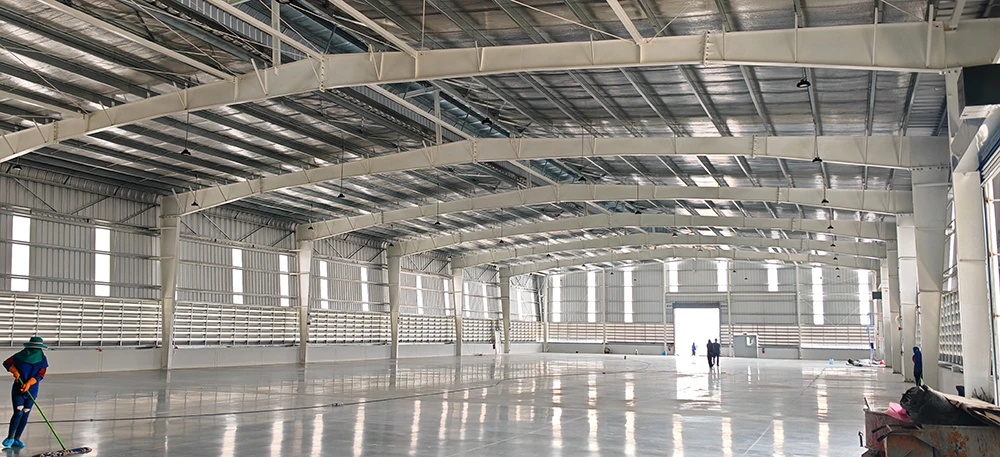
Why batch IDs matter after field failures
Batch IDs let you quarantine siblings, compare wear photos, and open a structured claim. Without them, one failed bar condemns an entire season’s inventory by rumor. Checklist mindset: if it is not marked, it is not claim-ready.
Minimum trace fields on cartons
- Batch / lot ID
- Drawing revision
- Quantity and packing date
- Purchase order reference
- Destination marks matching the broker file
Traceability pages need concrete carton fields, claim photo packs, and FAQ for auditors—not only ISO adjectives. Pair material choice notes with batch IDs.
| Field | Why it matters | Buyer check on receipt |
|---|---|---|
| Batch ID | Claim and quarantine | Photo cartons before breaking down |
| Revision | Stops silent geometry drift | Match to PO revision |
| PO reference | Links commercial and QA | Reject unmarked cartons |
| Plant marks | Supports sinter/run linkage | Ask for legend if codes are opaque |
Sintering run linkage explained for buyers
You do not need to operate a furnace to ask whether tips from a delivery share a sinter run identifier. Linkage helps explain systemic versus one-off defects. Plants vary in how much they share; put the expectation in the RFQ. Process narrative: quality control.
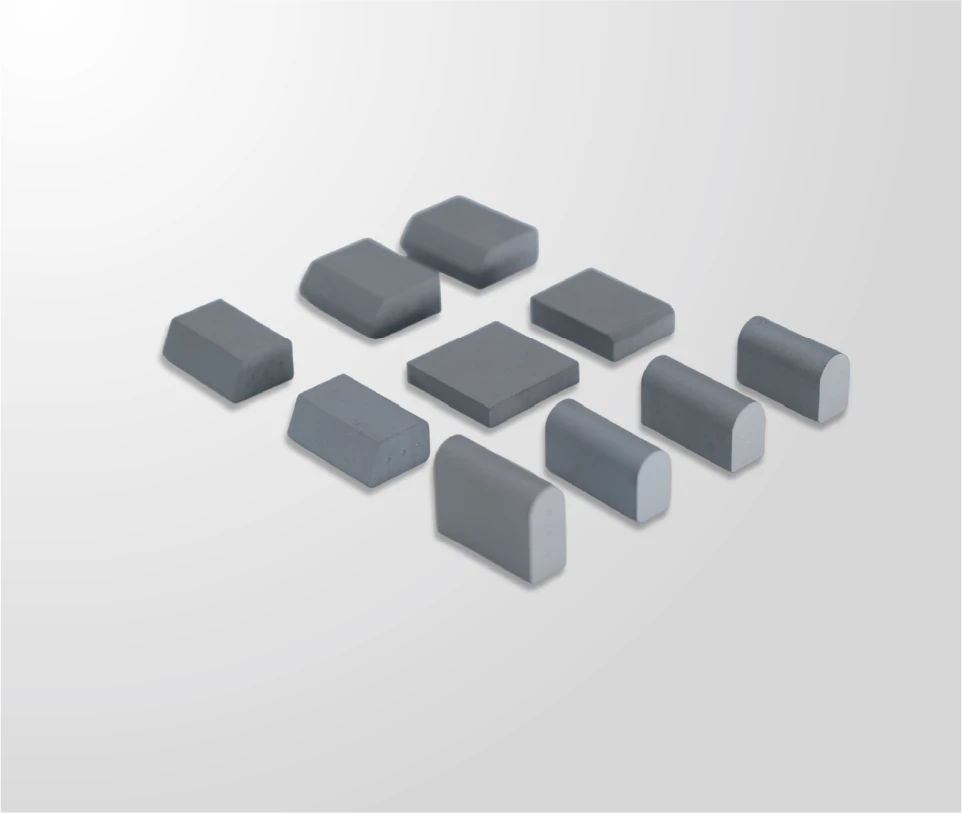
Photo evidence packs for claims
Standardize: full-bar shot, tip close-ups, hole condition, install date plaque or write-on, and route class. Send the pack with batch ID. Warranty routing: warranty and shipping.
ISO certificate vs process control [VERIFY]
[VERIFY] Request current ISO 9001 / ISO 14001 certificates when your policy requires them; do not invent certificate numbers here. SENTHAI states ISO 9001 and ISO 14001 certified processes per company website. Certificates prove a management system exists, they do not replace batch marks on your cartons. Overview of the standard: ISO 9001.
Sample retention suggestions
Retain a small dimensional sample or unused tip from critical lots when practical. Retention policies vary; define yours in the import SOP.
Audit visit / video review requests
For large programs, request a visit or structured video tour of press/sinter/braze areas and packing mark stations. Align questions with what you will check on receipt. Tungsten supply context: USGS. Ops urgency that makes quarantine speed matter: FHWA. Season timing: NWS. Canadian importers: Transport Canada. Evaluation culture: ND DOT.
Related QA page links
Receiving dock SOP that makes traceability real
Write a five-step dock SOP: photograph carton marks, match PO revision, spot-check dimensions on a defined sample, record batch IDs into the inventory system, and quarantine mismatches before bars enter the storm rack. Training a new receiver on this SOP matters more than another email about “quality.”
For multi-depot fleets, require the same mark fields everywhere so quarantine can cross yards. If one depot scrapes marks off cartons to “save space,” claims become impossible. Keep empty carton photos in the digital folder for the warranty window.
[VERIFY] When policies require ISO certificates, refresh them on a calendar, not only at first onboarding. Certificates and batch marks answer different questions; collect both. Do not invent certificate numbers in internal wikis either; link to the filed PDF.
After a field failure, the dock SOP should already have given you the batch ID. The claim pack then adds tip photos and route notes. Plants can investigate systemic sinter or braze issues only when your side preserved the identifiers.
Import programs that skip dock photography usually discover the gap only when a claim is denied for missing identifiers. Budget a few minutes per pallet at receiving; it is cheaper than replacing an untraceable season set under storm pressure.
What buyers should demand in a batch-traceability pack
Imported carbide edges need a paper trail that survives a municipal audit: packing marks, batch or sinter-run references, and a way to map a field failure back to a production lot. Ask how marks are applied and how a failed tip is segregated, video or audit notes help when you cannot visit Rayong.
Do not invent ISO certificate numbers in your PO. If the bid requires ISO 9001 / 14001 evidence, request current certificates and match them to the company website claims; verify dates and scope yourself. Patent counts on marketing pages are not substitutes for process control answers.
Commercial file: keep tungsten market notes, Incoterms as negotiated, and traceability answers together. MOQ and timing remain quotation-specific per company practice.
FAQ
What is the minimum carton marking for imported carbide edges?
Batch/lot ID, drawing revision, quantity/packing date, and PO reference. Photograph cartons before breakdown.
Do ISO certificates replace batch traceability?
No. Certificates support process claims; batch marks enable quarantine and claims. Request both when your policy requires certificates.
Should we invent ISO certificate numbers in a specification?
[VERIFY] Never invent numbers. Require bidders to provide current certificates and keep them on file.
What photos belong in a warranty claim pack?
Full-bar and tip photos, hole condition, install/truck data, route class, and the batch ID from the carton or bar.
Request Specs or a Quote
A photo of your current worn edge is often the quickest start. Add the length, thickness and bolt pattern, mention the plow make/model and the pavement type on your routes, and mail it all to [email protected]. Our team generally responds within one working day (English or Chinese) and confirms MOQ and lead time per product family in the quotation; no fixed production week count is published on this page.