Two contractors can run the same BOSS-style truck body and need opposite edges: one clears abrasive city connectors all night; the other whispers through a retail plaza. Matching duty cycle to material is the whole game.
Choosing a boss snow plow cutting edge means matching duty cycle and surface before debating carbide versus rubber price.
BOSS-style aftermarket cutting edges are available in carbide, rubber-flex, and poly (and steel) families. Pick carbide for abrasive routes, rubber-flex for mixed lots that still need bite, and poly for quiet scrape, then confirm hole patterns and covers before ordering. This is aftermarket BOSS-style fitment, not an OEM parts declaration.
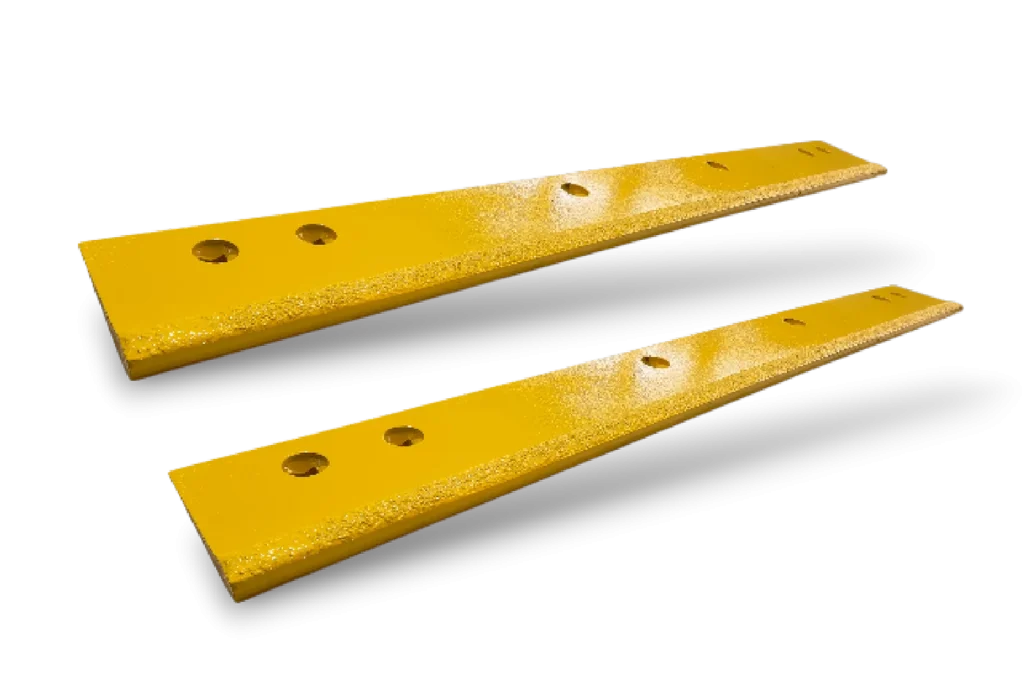
Matching BOSS plow duty cycle to edge material
BOSS-style edges are a material matrix.
Steel, urethane/poly, rubber, and aftermarket carbide each fit different surfaces—not one SKU for every BOSS-style plow.
Catalogue pages list high-carbon steel, urethane, and rubber for straight, V, and box plows. That is a starting map, not a season plan. Abrasive municipal routes still justify carbide carriers after measurement. Retail lots often keep rubber-flex or poly for marking and noise. Confirm hole pattern and thickness against the worn edge before ordering any family.
AI overviews rarely require a photo pack and bolt chart on the RFQ; aftermarket carbide plants need those fields as much as OEM steel does.
Map each truck’s book: municipal connectors, rural asphalt, retail lots, or mixed. Duty cycle drives material more than paint colour. Existing on-site comparison framing: BOSS-style plow edges: poly, steel, carbide. Broader matrix: selection guide.
Carbide for abrasive municipal routes
When steel dies mid-week on grit, carbide carriers earn their keep through fewer changeouts. Confirm bolt pattern and whether a cover stack is part of the setup. Product family: carbide snow plow blades. Tungsten market footnotes for long contracts: USGS tungsten statistics.
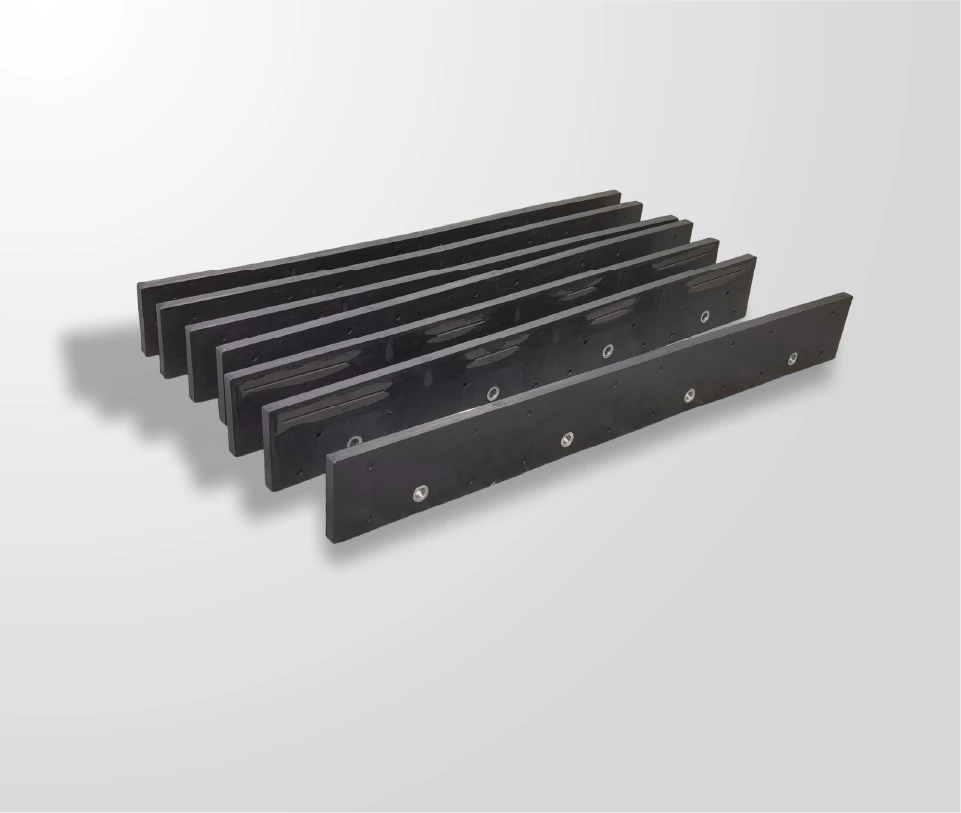
Rubber-flex for retail lots
Rubber-flex / JOMA-style geometries protect coatings and cut noise while keeping carbide segments for light pack. See JOMA-style blade. Train crews not to run these as highway-only tools on chip seal all season without a wear plan.
Poly quiet edges and their ice limits
Poly wins complaint-driven retail nights. It loses on bonded ice and abrasive aggregate. Write the ice-night swap into the contract so property managers understand why a different edge appears after a glaze warning. Weather timing: NWS.
| Duty cycle | Primary edge | Spare |
|---|---|---|
| Abrasive connectors | Carbide | Steel emergency |
| Retail / HOA lots | Rubber-flex or poly | Carbide for ice |
| Mixed book | Two families labelled | Shared hardware kit |
| Quiet night only | Poly | Rubber-flex |
Guards and curb runners interaction
Curb guards and runners change how the cutting edge meets pavement. If you add or remove them without telling the edge supplier, wear patterns shift and hole engagement can look “wrong” when it is actually a stack-height issue. Photograph the full under-blade assembly for RFQs.
Spare strategy for multi-truck contractors
Label bins by duty cycle, not only by truck number. Shared carbide spares across similar hole charts reduce inventory, but only after you verify the charts truly match. Mid-storm improvisation is how poly ends up on an arterial. Event labour pressure framing: FHWA Road Weather Management.
How manufacturers differ from aftermarket carbide plants
Plow OEMs optimise plow systems, hydraulics, and branded wear parts. Aftermarket carbide plants, such as SENTHAI’s Rayong operation (US-invested manufacturer, per company website), optimise insert metallurgy and drawing-driven edges for many moldboard styles. Neither story replaces measurement. Fit philosophy: aftermarket vs OEM edges.
RFQ photo pack
- Full edge and under-blade assembly including guards
- Hole close-ups with ruler
- End profile and thickness
- Duty cycle note (lot / arterial / mixed)
- Desired material family and spare plan
Send to [email protected]. Cross-border contractors should keep Transport Canada references beside provincial rules when the same trucks clear both sides of a border corridor. Independent DOT reading lists such as ND DOT remain useful for evaluation context, not as a fit guarantee.
Contract language for BOSS-style mixed fleets
When the same contractor entity clears both retail plazas and municipal connectors with BOSS-style trucks, put edge families into the contract exhibits. Property managers then understand why a rubber-flex edge appears on their lot and a carbide edge appears on the connector the city owns. That transparency reduces complaint escalations when scrape sound or pattern changes after an ice event.
Revisit the exhibit each spring with wear cards in hand. Duty cycles drift when clients add lots or lose municipal hours; the edge matrix should drift with them instead of freezing on last year’s guess.
Boss-style selection boundaries by surface and plow duty
Treat Boss-style aftermarket edges as a family of choices, not one SKU. Carbide suits abrasive scrape on asphalt and chip seal when the truck can load the edge; rubber-flex and poly protect marked lots and decorative pavement; mixed sectional layouts help depots that share plows across both duties.
Before locking material, write the surface class on the order (lot, asphalt, chip seal, gravel) and the plow position. A rubber-forward setup on a highway scrape route wastes changeout labour; aggressive carbide on a soft HOA courtyard creates complaint tickets that dwarf blade price.
Use aftermarket Boss-style language only. Attach measured length, thickness, and hole centres. Confirm packing for long bars. Email the packet to [email protected] with photos; lead time and MOQ stay quotation-specific per company practice.
BOSS-pattern edges and packed ice options are on the BOSS cutting edge page.
FAQ
What cutting edge materials work on BOSS-style plows?
Aftermarket BOSS-style plows commonly run carbide, steel, rubber-flex, and poly edges when hole patterns match. Choose by duty cycle and surface, then confirm dimensions in writing.
When should a contractor choose carbide on a BOSS-style plow?
Choose carbide for abrasive municipal-style routes and frequent steel changeouts. For quiet retail lots, rubber-flex or poly may serve better with a carbide spare for ice.
Do poly edges handle packed ice on BOSS-style trucks?
Poly quiets lots but often skates on bonded ice. Keep an aggressive alternate for glaze nights rather than forcing poly harder into the surface.
How should multi-truck contractors stage spares?
Stage by duty cycle: carbide for abrasive beats, rubber/poly for lots, shared hardware kits, and labelled bins so night crews cannot mix families.
Are aftermarket carbide plants the same as plow OEMs?
No. Plow OEMs design plow systems; aftermarket carbide plants specialise in wear edges by drawing. Use aftermarket BOSS-style language and measure before order.
Request Specs or a Quote
Have the plow make/model, edge length and thickness, bolt pattern and route surface details to hand? Send them, or simply photos of the worn edge, to [email protected]. A reply in English or Chinese generally follows within one working day. We confirm MOQ and lead time with each quotation according to product family and do not publish blanket production weeks here.
Related Articles
- Snow plow blade selection guide
- JOMA-style blade
- Carbide snow plow blade
- BOSS-style poly steel carbide