A shop once scrapped a “defective” carbide set after one night, until the photos showed corner fractures exactly where the truck had been riding manhole lids at speed. Case closed: impact mode, not abrasion life. This checklist separates chipping from gradual wear before you open a claim or rewrite the grade.
Carbide insert chipping and gradual abrasion need different evidence packs; treat them as separate root-cause paths.
Treat insert chipping as an impact/technique/grade-toughness problem and gradual rounding as an abrasion life problem. Inspect braze seats buyers can see, gather evidence for vendor claims, and prevent repeats with guards, briefing, and correct grade. Anchors: selection guide, carbide snow plow blade, related wear reading at wear patterns.
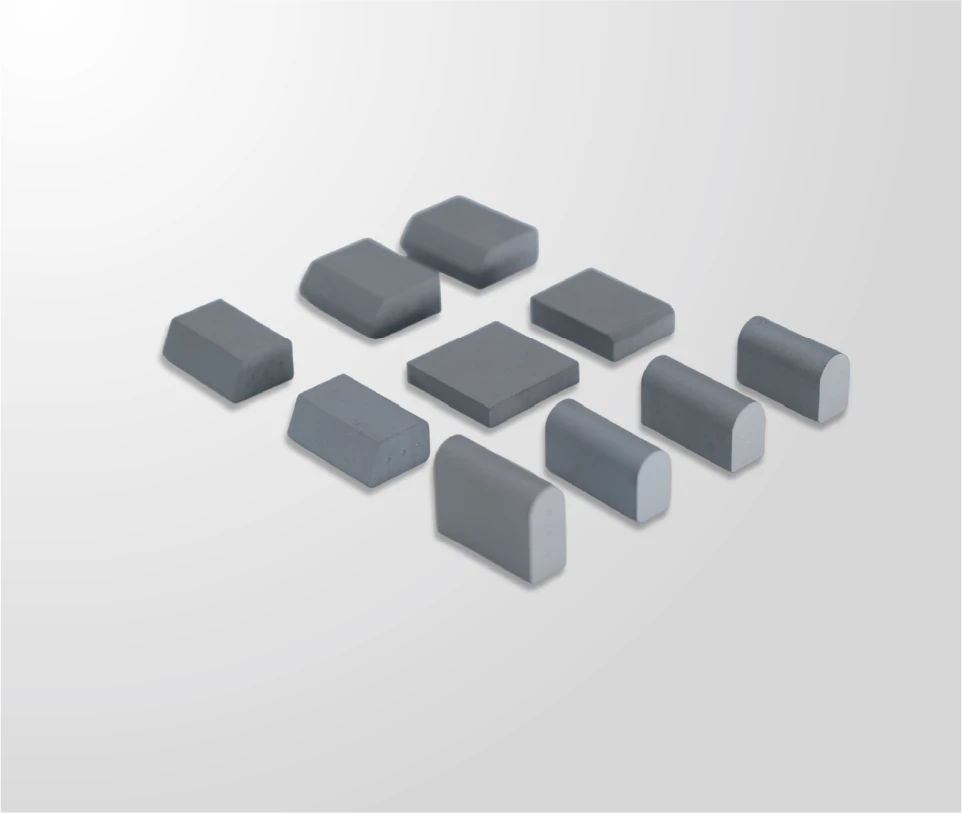
Impact vs abrasion
Chipping means toughness was exceeded.
Carbide insert chipping comes from impact, vibration, or thermal shock beyond fracture toughness—not from normal abrasive rounding.
Separate impact chips from gradual wear before blaming the plant. Gravel, frost heaves, wrong grade, and braze issues leave different evidence. Operating technique and attack angle belong in the root-cause list. Collect photos and batch IDs before opening a claim.
Night-lead triage scripts—stop, photograph, quarantine the edge—are missing from tool-wear overviews and save the next shift.
Impact leaves fractures, missing corners, and sudden tip loss. Abrasion leaves smooth rounding and height loss. Both can coexist; lead with the dominant pattern in photos.
| Symptom | Mode | First checks |
|---|---|---|
| Corner chunks missing | Impact | Lids, curbs, frost heaves, speed |
| Even tip rounding | Abrasion | Chip seal grit, hours, pressure |
| Tips intact, carrier cracked | Structural | Holes, overload, prior damage |
| Tips loose / seats dark | Retention / heat | Braze/joint inspection |
Gravel and frost heaves
Gravel and heaved pavement punch tips. Tougher grades and slower approach angles help more than maximum hardness. Urban lids deserve the same respect as curbs.
Wrong grade selection
Buying the hardest catalog grade for mixed urban routes is a common root cause of chipping. Match toughness to the worst credible impact on that truck’s routes.
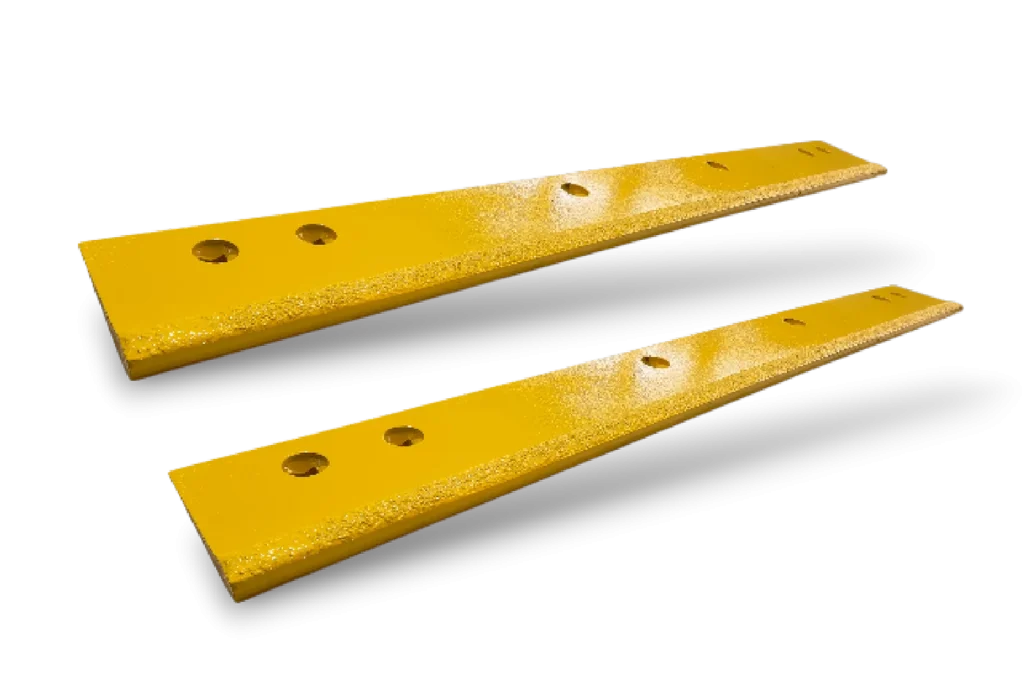
Braze joint issues buyers can spot
Look for voids, incomplete fillets, discoloration suggesting overheat, or tips that rock in seats. Photograph before grinding anything away. Not every dark mark is a defect, compare to known-good samples when possible.
Operating technique
Dry scrape on bare pavement, excessive angle, and high speed into obstacles destroy inserts regardless of brand. Briefing cards belong in the cab. Ops pressure does not excuse skipped briefings: FHWA.
Evidence for vendor claim
- Batch ID
- Install date and hours
- Route/surface notes
- Tip and seat photos
- Statement of operating conditions
Warranty path: warranty and shipping.
Prevention
Guards for curb routes, tougher grades for impact, abrasion grades for polish, sectional outers where hits concentrate, and technique discipline. Weather and season context: NWS. Canadian shops: Transport Canada. Tungsten: USGS. Evaluation culture: ND DOT. ISO overview: ISO 9001.
Links
Shop floor triage script for night leads
When a tip fails at night, the lead should answer four questions before calling it “bad carbide”: Was there a known impact? Is wear elsewhere rounded or fractured? Do seats look sound? Is the batch ID recorded? That script stops emotional scrapping of entire sets.
If impact is obvious, park the technique or route issue alongside any claim. If seats look questionable, photograph before grinding and escalate with the batch ID. If rounding is uniform, treat it as life consumption and check intervals against steel baselines.
Keep a small board in the shop with example photos: rounding, corner chip, seat anomaly, carrier crack. New hires learn faster from pictures than from metallurgy vocabulary. Tie the board to the warranty pack checklist so evidence quality stays consistent.
Prevention actions should be assigned: briefing refresh, guard order, grade change request, or sectional outer trial, one owner each. Unowned prevention is how the same chip pattern returns next Thursday.
Document the triage outcome in the same system used for work orders so patterns across trucks become visible. Three unrelated “one-off” chips on the same route class are not one-offs.
Keep batch IDs, photos, and revision notes in one folder so purchasing, shop, and sales share the same evidence trail when the next RFQ or claim begins.
US and Canadian snow-belt fleets benefit from writing these habits into SOPs before peak season rather than inventing process during the first ice event.
Record the outcome date and owner so follow-up actions do not disappear between shifts.
Root-cause order: chipping versus gradual wear
Work the checklist in order: seat condition, attack angle, guards/runners, route impact sources, then grade. Swapping to a “tougher” grade first hides process faults and repeats the same chips on the next bar.
Gradual wear with even polish usually points to abrasion match; sudden insert loss points to impact or seating. Braze or weld inspection belongs in the shop notes when inserts lift rather than wear down. Keep batch marks so multiple failures can be tied to one lot if needed.
Document findings in the same template every time so municipal or distributor quality reviews can compare seasons. Do not claim universal life multiples; report measured intervals only.
If two trucks on the same route show different chip patterns, compare operator pitch notes and guard wear before opening a grade dispute with the plant. Same route plus different process usually explains more than chemistry.
FAQ
How do I tell chipping from normal wear?
Chipping shows fractures and missing corners; gradual wear shows smooth rounding and height loss. Photograph tips before deciding grade or claim paths.
Can wrong grade cause chipping?
Yes. Over-hard grades on impact-heavy urban routes chip more readily. Match toughness to the worst credible impacts.
What braze issues can a buyer see without a lab?
Incomplete fillets, obvious voids, tips that rock, and suspicious overheat discoloration, photograph before altering the joint.
What evidence should accompany a vendor claim?
Batch ID, hours, route notes, tip/seat photos, and operating conditions. Claims without batch marks are weak.
Request Specs or a Quote
For distributor or fleet enquiries, contact [email protected] with the plow make/model or worn-edge photos and the length, thickness, bolt pattern and surface notes for your routes. Replies are normally sent within one working day in English or Chinese. MOQ and lead time are confirmed by product family in the quotation; this page does not give a standard production week count.