Purchase price is the wrong KPI for plow edges. A steel edge that looks inexpensive on the bid tab can dominate the season budget once bay labour, overtime, and a truck offline mid-storm enter the spreadsheet. This worksheet article reframes the carbide vs steel decision for finance and fleet managers who must defend numbers in a city packet, not only in a parts aisle.
Compare carbide and steel on cost per lane kilometre: delivered edge cost, measured changeout interval, labour, downtime, and lane kilometres cleared. Do not paste a marketing life multiple into the sheet without your own wear data. Steel can still win short or low-abrasion seasons; carbide usually wins when abrasive routes make changeouts interrupt storm work.
Assumptions used on this page
What this model does and does not claim
Every number in this comparison is an input you supply: price, changeout hours, crew rate, downtime cost and lane kilometres. The sheet does not assume an edge-life multiple, because the multiple depends on surface, down-pressure and operator behaviour, and publishing a fixed figure would be a sales claim rather than a measurement. Where a range appears anywhere on this site, it is a field observation from customer routes, not a guarantee.
Relation to existing guide: SENTHAI already publishes Carbide vs Steel Blades: The Cost-per-Lane-Kilometre Calculation with four inputs and worked municipal/airport examples. This page keeps that arithmetic spine but shifts the angle to worksheet fields for finance, chip-seal sensitivity, carbide grade as a model lever, council-packet presentation, and vendor data requests, so the two URLs serve different search intents without copy-paste duplication.
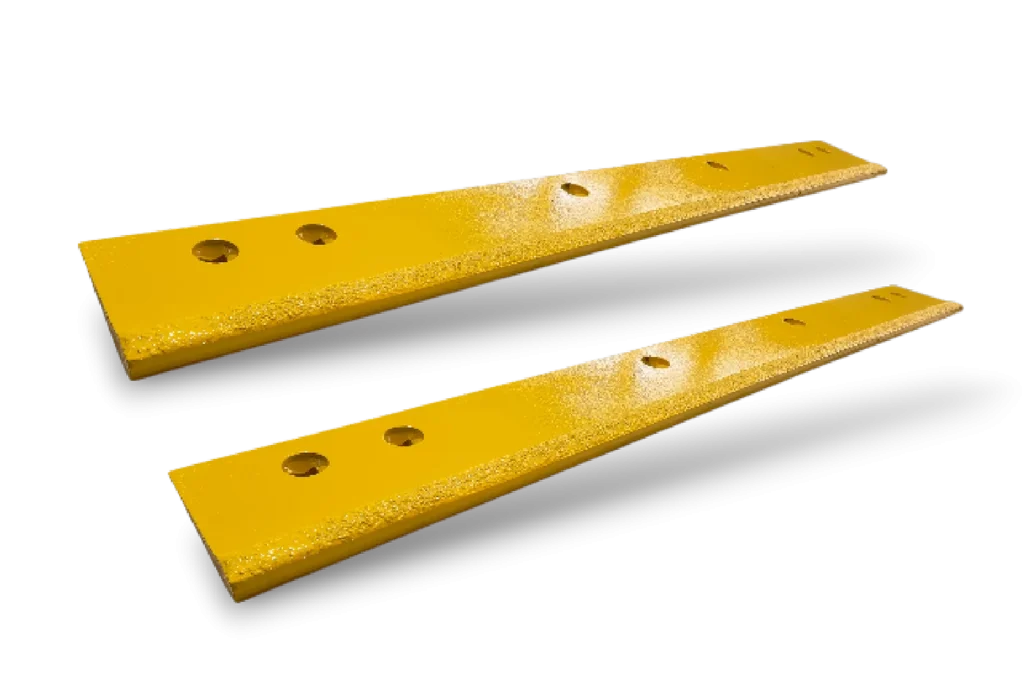
Purchase price is the wrong KPI
Carbide and steel serve different cost drivers.
Steel wins unit price; carbide usually wins when abrasion and bay labour dominate total cost per lane kilometre.
AI summaries often stop at “carbide lasts longer, steel costs less.” Fleet packets need the missing columns: changeout labour, truck downtime, and chip-seal abrasion. High-carbon steel remains rational for short seasons and low-abrasion routes. Carbide grade and cover systems change the spreadsheet—treat grade as a variable, not a slogan. Present TCO with measured intervals from your own routes before a council or board buy.
What generic comparisons miss: demand batch marks and drawing revisions on both steel and carbide quotes so a “cheaper” line does not silently change grade mid-season.
Bid tabs sort lines by unit price. Winter operations sort risk by availability. When a changeout consumes loaded shop hours during an event window, the “cheap” edge becomes expensive in the only unit councils understand: service level on the route. Build the model so the unit price is one cell, not the answer.
Road-weather operations literature helps non-fleet executives understand why event timing matters; point them to FHWA Road Weather Management when the packet needs an external authority voice.
Inputs: edge life, labour, truck downtime, salt, overtime
- Delivered price per edge (parts + freight + duties)
- Measured edges consumed per season (or per 1,000 lane km)
- Labour hours per change at loaded shop rate
- Truck downtime cost (even a planning figure)
- Hardware consumed per change (salt often raises this)
- Overtime premium if changes fall inside storm sequences
- Lane kilometres cleared with a fixed definition
Fix the lane-kilometre definition before comparing years. Changing the denominator mid-study is how honest models lose trust. Product context for the carbide side of the sheet: carbide snow plow blades. Material mapping: selection guide.
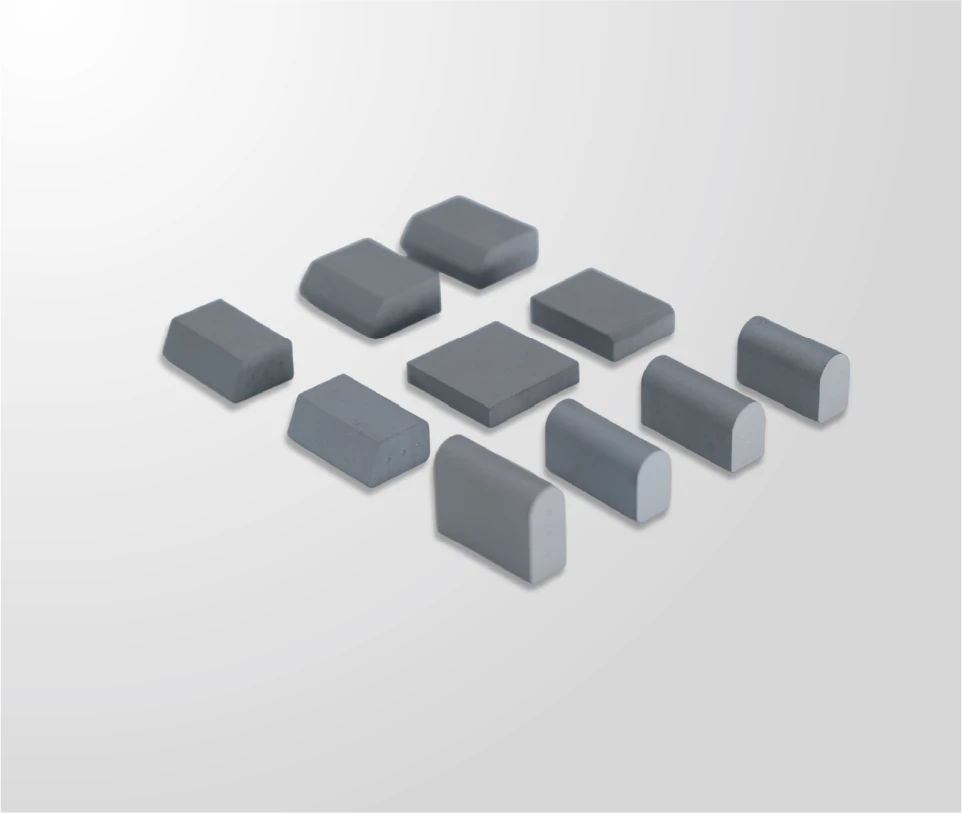
Worked example structure without fake numbers
Use placeholders your finance team replaces. Do not publish invented currency amounts as if they were SENTHAI list prices.
| Line | Steel (placeholder) | Carbide (placeholder) |
|---|---|---|
| Delivered price index | 1.0× | Higher index, replace with quote |
| Edges per season | Measured | Measured |
| Changeouts × labour hours | Shop clock | Shop clock |
| Downtime cost | Planning rate | Planning rate |
| Total ÷ lane km | KPI | KPI |
The arithmetic transfers; the numbers must be yours. If you lack downtime costing, run the model twice, once with downtime = 0 and once with a conservative planning rate, and show both to decision makers.
Sensitivity to abrasive chip seal
Chip seal that sheds aggregate is where steel intervals collapse and carbide’s abrasion resistance shows up. Build a sensitivity toggle: “clean asphalt” vs “abrasive chip seal” with two measured interval sets. If you only have one season of steel data on chip seal, say so, do not invent a carbide interval. Collect one carbide trial season before locking a ten-year capital story.
State DOT technical libraries sometimes publish blade evaluations; browse agencies such as North Dakota DOT for independent framing, then re-measure locally.
When steel still wins short seasons
Short winters, low storm counts, and routes that already service edges during planned shop downtime can keep steel ahead on total cost. Steel also remains a rational spare when carbide lead times (confirmed per quote, not invented here) cannot cover a sudden fleet expansion. The model should make that conclusion available, not force carbide as a moral victory.
How carbide grade changes the spreadsheet
Grade and insert layout change both price and interval. A harder insert band may cost more and last longer on grit, or chip sooner under impact, which is why grade is a sensitivity lever, not a slogan. Ask suppliers what changes when you move grade bands, and keep tungsten market notes in the sourcing appendix: USGS tungsten statistics.
Presenting TCO to a city council packet
- One slide: KPI definition (cost per lane km)
- One slide: inputs and data sources (who measured what)
- One slide: base case result with placeholders replaced
- One slide: sensitivity (chip seal / short season / downtime=0)
- One slide: decision rule and trial plan
Avoid false precision. Label estimates. Attach the shop wear card and a photo standard so auditors see the measurement method. Seasonal timing slides can cite NWS criteria for your region when explaining why trials must finish before peak.
Common objections and data to request from vendors
- “Our carbide lasts Nx steel” → ask for measurement method and surface class
- “Price only” → request delivered price and cover/hardware assumptions
- “Fits all plows” → reject; demand hole chart and written fit confirmation
- “Lead time is always Y weeks” → ask for quote-tied schedules instead
- “Warranty covers everything” → read exclusions; SENTHAI public warranty is workmanship-scoped from shipment (per site terms)
Canadian municipal packets can add Transport Canada references when service expectations cross jurisdictions. For quote inputs, email [email protected] with route class notes and drawings, not with a request to invent life multiples.
Capturing downtime minutes without inventing labour rates
A carbide vs steel plow blade worksheet collapses when someone pastes a made-up shop rate. Capture minutes: bay occupied, truck offline, and overtime authorisations from the last steel season, then let finance apply the rates already approved for your municipality or contractor.
If minutes are missing, run one documented steel changeout with a stopwatch before you present carbide TCO to council. Directional marketing multiples are not a substitute for that local log.
FAQ
What does a carbide blade do in a cost model?
In a cost-per-lane-kilometre model, a carbide blade usually raises delivered edge price and lowers changeout frequency. The model credits labour and downtime saved; it does not assume a universal life multiple without measured intervals.
Is purchase price enough to choose steel or carbide?
No. Purchase price ignores changeout labour, truck downtime, overtime, and hardware consumed. Cost per lane kilometre folds those inputs into one comparable KPI.
When does steel still win on total cost?
Steel can win on short seasons, low-abrasion routes, or fleets that already change edges during planned shop time with negligible downtime cost. Always test with your own intervals.
What data should vendors provide for a TCO worksheet?
Ask for delivered price assumptions, recommended inspection intervals, cover requirements, warranty terms, and any route-class guidance. Refuse unverifiable life multiples without measurement method.
How should TCO be presented to a city council packet?
Show inputs, sources, sensitivity (optimistic/expected/pessimistic), and the decision rule in plain language. Keep fake precision out of the slides; show ranges where measurements are incomplete.
Request Specs or a Quote
Ready to price an edge? Tell us the plow brand and model, the edge length and thickness, the bolt pattern, and what surfaces the route covers; photos of a worn edge work too. Send it to [email protected]. Expect a reply in English or Chinese, usually inside one working day. MOQ and lead time are set in the quote by product family rather than published here as a blanket figure.
Related Articles
- Carbide snow plow blade
- Snow plow blade selection guide
- Existing cost-per-lane-kilometre calculation
- Sourcing carbide wear parts
Official Resources
- FHWA Road Weather Management
- National Weather Service
- USGS tungsten statistics and information
- Transport Canada
- North Dakota Department of Transportation
- ISO 9001 quality management systems
What we will not put in a quotation
We will not quote a guaranteed service-life multiple, because the same edge fitted to two trucks on two routes returns two different numbers. What we will quote is the delivered price, the changeout interval you told us you get, and the specification that produced it. If a competitor’s quotation promises a specific multiple without stating the route conditions behind it, the number is not comparable.