Purchase price is still the wrong KPI for a five-truck fleet’s first carbide winter: the KPI is whether a controlled trial proves fewer changeouts on matched routes before you spend the season budget. This playbook is the implementation path.
A carbide blade field trial on five trucks only works when routes, photo logs, and pass/fail rules are locked before the first storm—not after operators already changed angles mid-shift.
Run a first carbide blade trial on comparable routes with a steel baseline, photo logs, operator briefing cards, and written pass/fail criteria. Do not change angle, grade, and truck assignment mid-trial. Report results to the vendor with batch IDs, then RFQ the season set only for drawings that passed. Product and selection anchors: carbide snow plow blade, selection guide, sibling trial notes at fair carbide versus steel field trial.
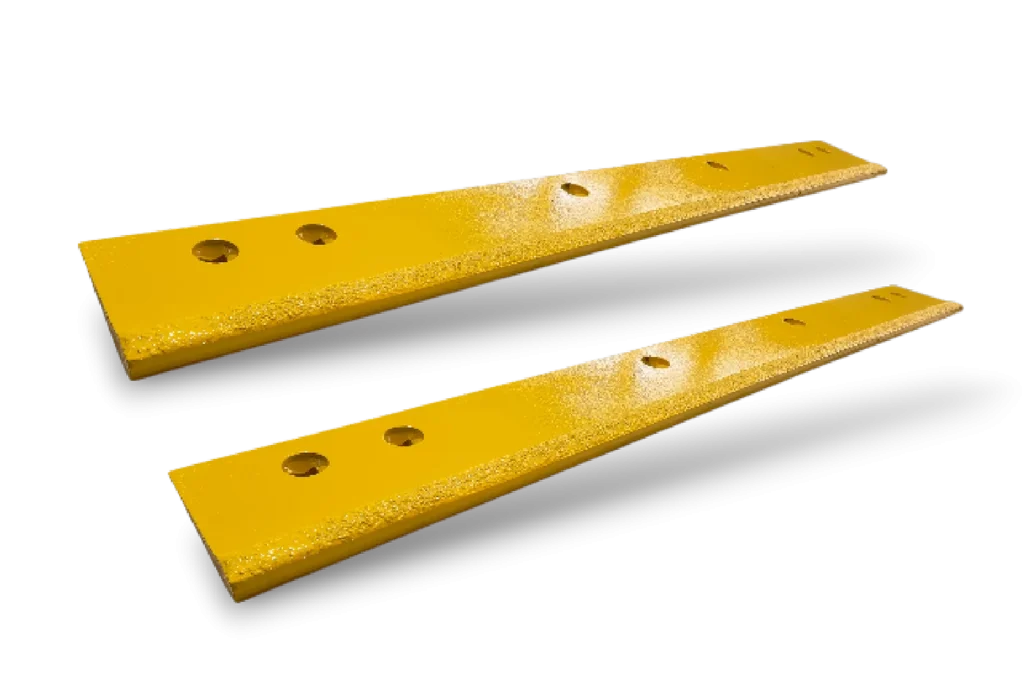
Pick comparable routes
Match surface class, length, and typical storm type. Comparing a carbide truck on clean asphalt to a steel truck on chip seal proves nothing. Label routes on a map and stick to them for the trial window.
Baseline steel edge hours
Record steel changeout hours or lane kilometres for at least a short baseline period, or use last season’s tagged data if methods match. Without baseline, “carbide feels better” is not a decision.
| Trial element | Required record | Pass/fail use |
|---|---|---|
| Route ID | Map label + surface class | Comparability |
| Edge batch | Carton/bar marks | Claims and reorder |
| Hours / km | Hourmeter or lane km | Life comparison |
| Photos | L/C/R stations + tips | Wear mode diagnosis |
| Operator card | Signed briefing | Technique control |
Photo log standards
Same stations, same ruler, daylight when possible. Include tip close-ups after chip-seal nights. Store photos with truck ID and date in one folder per batch.
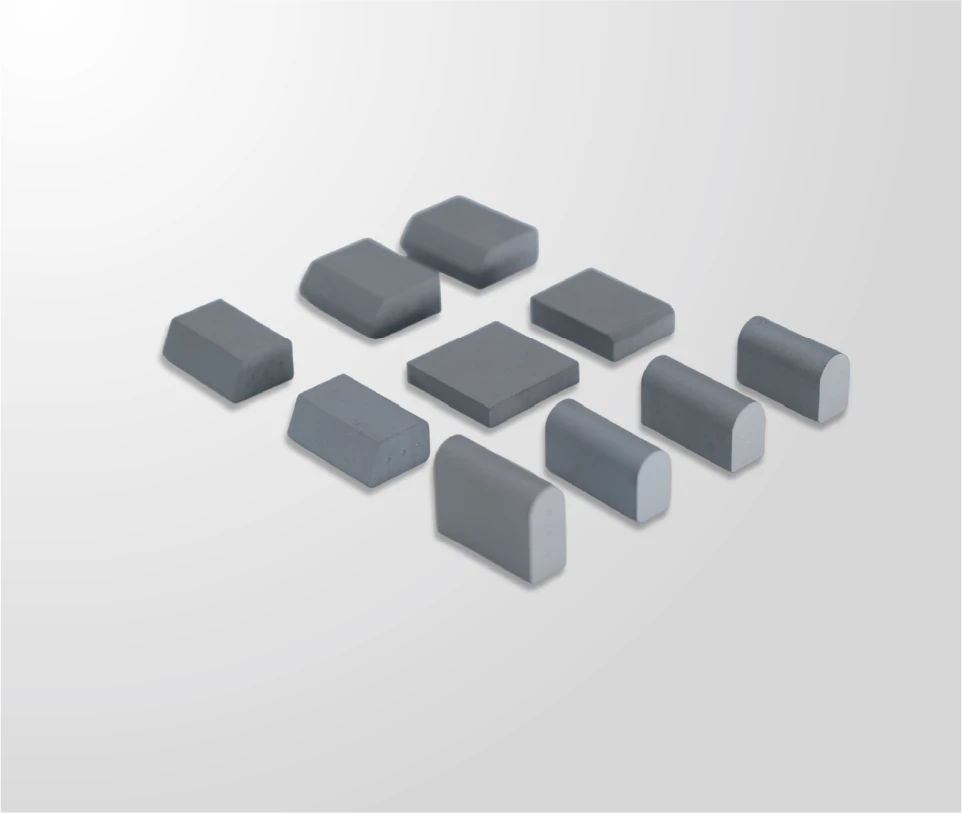
Operator briefing cards
One page: target attack angle, no dry high-pressure scrape on bare pavement, report curb hits, do not “test harder” to make carbide impress management. Signed cards prevent mid-trial heroics.
Pass/fail criteria before season buy
- Changeout interval improvement versus steel baseline on matched routes
- No unacceptable chipping pattern for the surface class
- Bay time acceptable for your crew size
- Fit and hardware issues resolved on first install
Field-trial SERPs rarely give a comparison matrix or cost-per-mile fields. Write pass/fail, photo standards, and carbide-versus-steel baseline hours into the protocol.
What not to change mid-trial
Do not swap grades, rewrite angles, and reassign the best operator to the carbide truck halfway through. One variable set per trial. If something is unsafe, stop and document, do not silently “fix” the data.
Reporting template for the vendor
Send route notes, hours/km, photo pack, pass/fail verdict, and batch IDs to [email protected]. Ask what grade or geometry change they recommend only after the controlled data lands. Ops context: FHWA. Weather window: NWS. Canadian fleets: Transport Canada. Tungsten footnote: USGS. Evaluation culture: ND DOT. Standards overview: ISO 9001.
Next-step RFQ
RFQ only the drawings that passed. State packing marks and revision locks. MOQ and lead time confirmed with quotation by product family, no invented week counts on the trial form.
Five-truck trial calendar and roles
Assign roles before the first flake: who picks routes, who briefs operators, who owns the photo folder, and who writes the pass/fail memo. Five trucks are enough to learn and few enough to control, unless roles blur and everyone “helps” by changing settings.
Calendar the baseline steel week (or confirmed historical baseline), the carbide window across a defined storm set, and a decision meeting before season buy deadlines. If storms do not cooperate, extend the window rather than declaring victory on anecdotes.
Share the vendor report template early so crews know what “done” looks like. Include batch IDs on every photo filename. When the trial passes, RFQ only those drawings; when it fails, ask for a single geometry or grade change and re-trial rather than discarding the method.
Small fleets should resist expanding to every truck mid-trial because one driver “likes it.” Likes are not criteria. Pass/fail criteria written in advance are how you defend the purchase to ownership or a municipal board later.
Five-truck trial protocol: data you must capture
A first carbide trial on five trucks only teaches you something if the data sheet is boring and complete. Capture: route class, lane kilometres or engine hours with blade down, remaining edge height at centre and ends, changeout labour hours, and chip events with photos.
Hold attack angle, guards, and operator set as constant as practical for the trial window. If one truck chips early on curbs, treat it as a process signal, not an automatic grade reject. Compare against the steel baseline on the same routes rather than against a marketing multiple.
Exit criteria: write pass / extend trial / stop before the season ends. Pass means measured interval and labour justify a wider rollout; stop means surface or impact profile does not fit carbide economics. Keep MOQ talks for after the trial decision.
FAQ
How many trucks do I need for a first carbide trial?
Even two to five trucks can work if routes are comparable and records are disciplined. More trucks help only when you can still control variables.
What is the most common trial mistake?
Changing operators, angles, and grades mid-trial while still calling it a fair comparison. Freeze the plan or restart.
What photos are mandatory?
Left/centre/right edge height with ruler, tip close-ups after abrasive nights, and carton batch marks.
When should we buy a full season set?
After written pass/fail criteria are met on matched routes and fit/hardware issues from the first install are closed.
Where can we read a sibling trial framework?
See the site’s fair carbide versus steel field trial article for complementary framing; use this page as the five-truck playbook.
Request Specs or a Quote
Questions about fit or pricing go to [email protected]. Include the plow make and model or edge photos, the length, thickness and bolt pattern, and what kind of pavement or gravel you plow. Replies normally come within a working day, in English or Chinese. MOQ and lead time are given per product family in the quotation rather than listed on this page.