A municipal buyer once ordered “Fisher carbide edges” from three photos of trucks in the yard, and received bars that matched none of the hole centres on the actual moldboards. The case is ordinary: brand family confusion plus missing punch verification.
A fisher snow plow cutting edge order should not leave the counter until bolt pattern and edge family are written on the same sheet as the plow model.
Before you order Fisher-style aftermarket cutting edges, verify edge family (straight, V, trip-edge notes), bolt pattern, centre punch, and whether you need inserts or a full edge. Add shipping length limits and drawing control for repeats. Use aftermarket Fisher-style language only, not OEM authorisation claims.
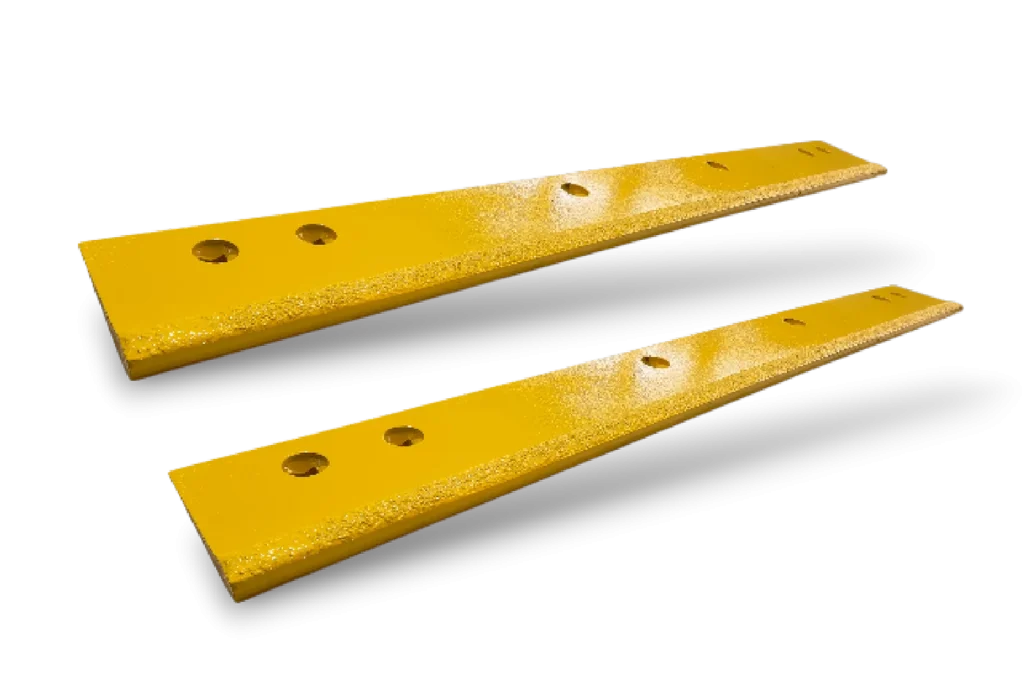
Fisher edge families buyers confuse
Straight blades, V sections, and trip-edge systems get collapsed into one mental SKU. Your checklist should force a family choice before material choice. Site context for switching materials on Fisher-style plows already exists at Fisher-style plow edges: switching to carbide; this page is the pre-order verification list.
Bolt pattern and centre punch verification
Measure twice, then have a second person read the numbers aloud. Capture diameter, centres, and end distances. Worn punches and elongated holes are not “close enough.” Repair moldboards before hanging carbide. Photo standards match the Western-style discipline: ruler in frame, dry edge, daylight.
Fisher-style orders fail on holes more than on marketing. Verify punch pattern, material family, and hardware before the PO; keep a short FAQ for night crews.
| Checklist item | Pass | Fail |
|---|---|---|
| Family identified | Straight/V/trip noted | Brand name only |
| Hole chart | Measured + photo | Memory estimate |
| Carrier condition | Straight, round holes | Bent / slotted |
| Material choice | Tied to route class | Guess from neighbour fleet |
| Fit confirmation | Written | Verbal only |
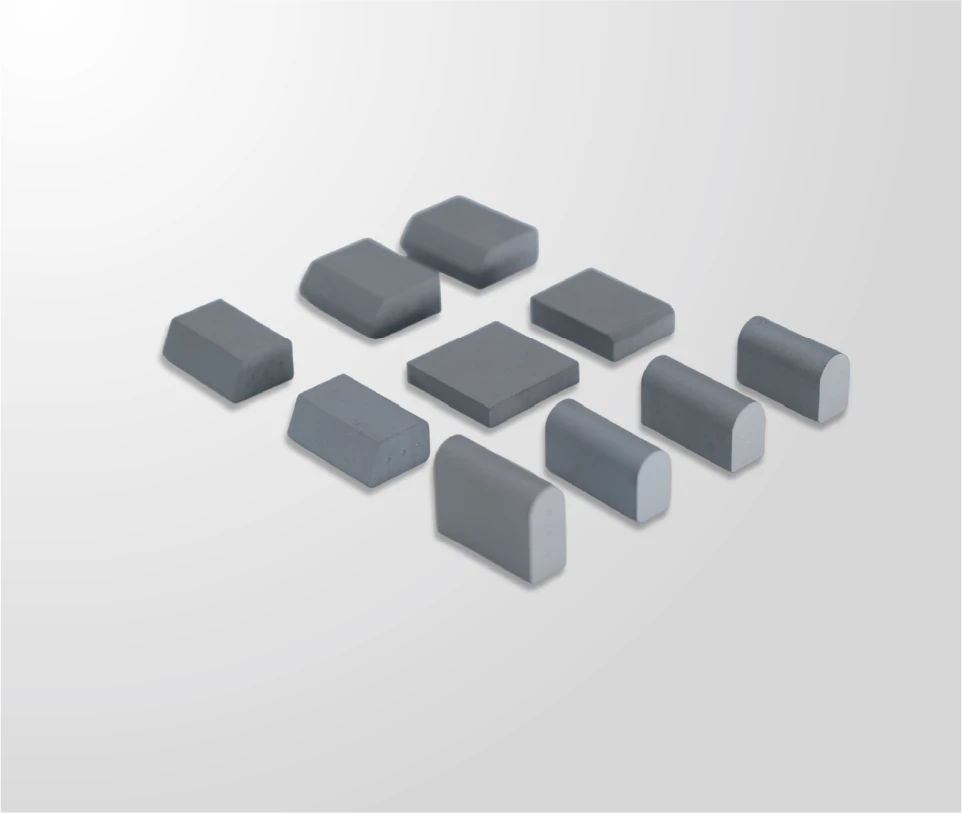
When inserts beat full welded edges
Inserts reduce scrap when carriers are healthy and shops are trained. Full welded or full carrier edges win when seats are damaged or labour time for insert work exceeds a swap. See carbide inserts and the insert selection and replacement guide.
Packed ice routes and aggressive kits
Fisher-style trucks on freeze–thaw crusts may need aggressive carbide kits in addition to standard carriers. Stage them as alternates, not as silent substitutions on decorative approaches. Product family: packed ice carbide kit; ops notes: packed ice edge guide.
Shipping length limits for container buyers
Long edges fight containers, liftgates, and narrow depot doors. Ask for sectional options when handling is constrained. Approve packing photos on first import lots. Factory process narrative: our factory.
Sample vs production drawing control
Approve a sample or first article against the hole chart, then lock the revision on every repeat PO. Silent drift is how “the last ones fit” becomes “these do not.” Distributors should keep golden samples in the receiving cage.
Compatibility language for RFQs
Write: “Aftermarket Fisher-style cutting edge per attached hole chart; written fit confirmation required before production.” Do not write “OEM Fisher” or claim universal fit across all Fisher-style plows. Align with aftermarket vs OEM fit.
Internal link to insert guide and next steps
Material family browse: carbide snow plow blade. Email checklist packs to [email protected]. Track storm timing with NWS; justify event labour with FHWA Road Weather Management; keep Transport Canada in cross-border files.
Training the checklist into night crews
A checklist that lives only in the purchaser’s email thread fails at 2 a.m. Laminate the Fisher-style verification steps for the shop board: family, hole chart, carrier condition, material, written fit confirmation. Require a photo upload to the work-order system before the PO is marked ready for release. New hires should complete one supervised measurement of a worn edge before they are allowed to request carbide on their own.
If dealers or subcontractors hang edges for you, send them the same checklist and refuse verbal “it should fit Fisher” substitutions. Aftermarket Fisher-style programmes survive on shared measurement discipline, not on brand confidence.
Documenting Fisher-style edge families for the next PO
After the first verified order, freeze a one-page family sheet: straight, V, and trip-edge notes with photos of the moldboard ends. Store the sheet with the hole chart revision so night crews do not reorder from truck-side memory. When a new plow enters the fleet, treat it as a new family line even if the cab badge looks familiar.
Boundary condition: if the moldboard has elongated holes or a bent seat, pause carbide orders until the carrier is repaired. Inserts seated on damaged seats chip early and look like “bad carbide” in the complaint file. Keep aftermarket Fisher-style wording on every PO; do not imply OEM authorisation.
Process tip: require a second person to read hole centres aloud before the RFQ leaves purchasing. That single step removes most wrong-length and wrong-centre repeats without inventing MOQ or lead-time promises.
Fisher-pattern edges in carbide, steel and poly are on the Fisher cutting edge page.
FAQ
What do buyers confuse on Fisher-style plow edges?
Straight vs V sections, trip-edge geometries, and whether an order is inserts versus a full welded edge are common mix-ups. Brand shorthand without a hole chart causes most errors.
How do I verify bolt pattern and centre punch?
Measure hole diameter and centres with a ruler in photos, compare to the drawing, and check that punches still align on a worn moldboard. Elongated holes need repair before a new edge.
When do carbide inserts beat a full welded edge?
Inserts win when the carrier is sound and the shop can seat inserts correctly. Full edges win when carriers are bent, seats are damaged, or labour for insert work exceeds a carrier swap.
What shipping limits affect long Fisher-style edges?
Container and truck length, handling gear, and depot aisle limits can force sectional designs. Confirm packing before production on long bars.
How should RFQs describe Fisher-style compatibility?
Use aftermarket Fisher-style language, attach measurements, and require written fit confirmation. Do not claim universal OEM fit or official authorisation.
Request Specs or a Quote
Want us to check a spec? Mail [email protected] the plow make and model, edge length and thickness, bolt pattern, and route surface notes, or attach photos of the edge you are retiring. Answers usually arrive within one working day in English or Chinese. MOQ and lead time are confirmed by product family when we quote, rather than published here.