The counter-intuitive finding from many mixed depots is simple: the “more carbide” option is not always the lower-cost winter. On noise-sensitive and pavement-sensitive routes, a rubber-flex JOMA-style edge can clear acceptably with fewer surface complaints, while a rigid carbide bar earns its keep on abrasive arterials.
Choose JOMA-style rubber-flex edges for routes that need pavement protection and some scrape bite from carbide segments; choose full carbide carriers for abrasive highway asphalt and chip seal where changeouts hurt availability. Mix systems in one depot only with labelled bays and written swap rules. Spec by drawing, not by brand folklore.
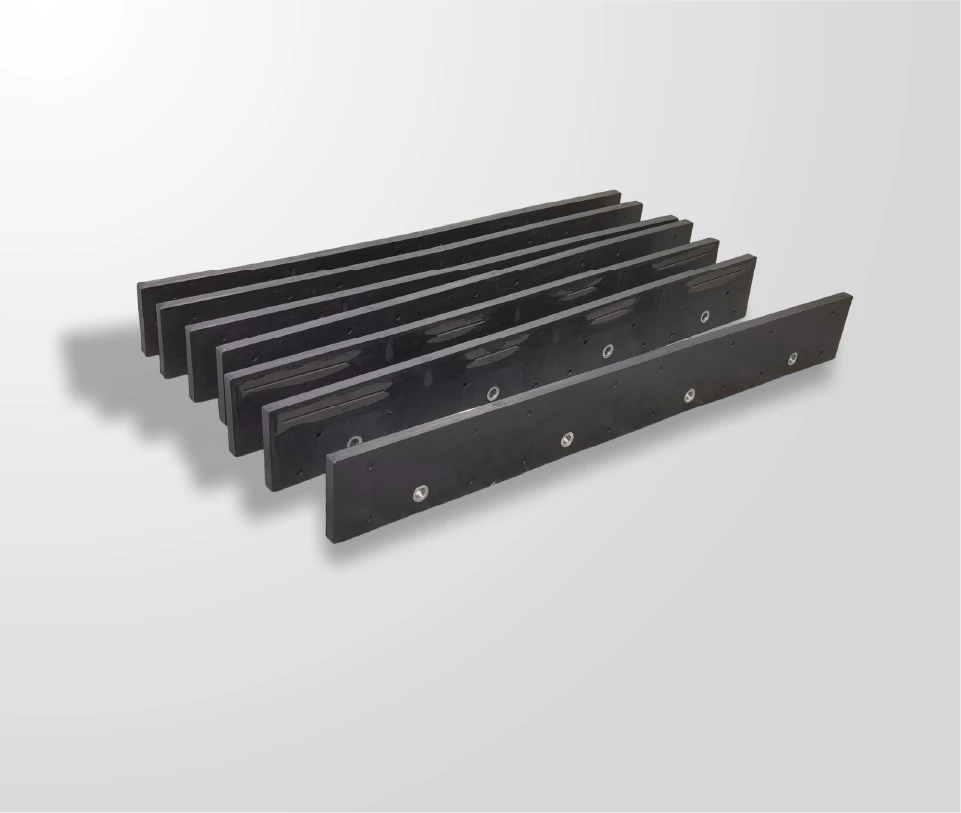
What JOMA-style means in aftermarket language
JOMA-style is trade shorthand for a rubber-flex edge architecture with carbide segments, not a licence claim. Aftermarket sellers, including carbide plants that build compatible geometries, should describe dimensions, segment layout, and materials without implying OEM authorisation. SENTHAI’s public product line includes JOMA-style blades and a JOMA flex blade guide written in that aftermarket vocabulary.
If procurement language must stay neutral, write “rubber-flex carbide-segment cutting edge, JOMA-style geometry” and attach the hole chart. That wording survives audit better than a logo reference.
Route types that favour rubber-flex segments
Urban collectors with decorative approaches, hospital and campus loops with noise rules, and commercial corridors that abut stamped plazas often favour rubber-flex. Operators get enough bite for wet snow and light pack while reducing steel scream and coating claims. When glaze dominates, crews still need a swap plan, rubber-flex is not magic on bonded ice.
Seasonal event pressure still matters: FHWA Road Weather Management framing helps explain why a slightly higher edge price can be rational if it keeps trucks on route instead of in dispute with property managers.
Routes that still need full carbide carriers
Abrasive asphalt, chip seal that sheds aggregate, and long highway beats with few quiet-zone constraints still lean toward rigid carbide snow plow blades. Changeout labour and downtime dominate those books. Soft gravel and high manhole-density streets may still need sacrificial steel or careful operator limits even if carbide is stocked.
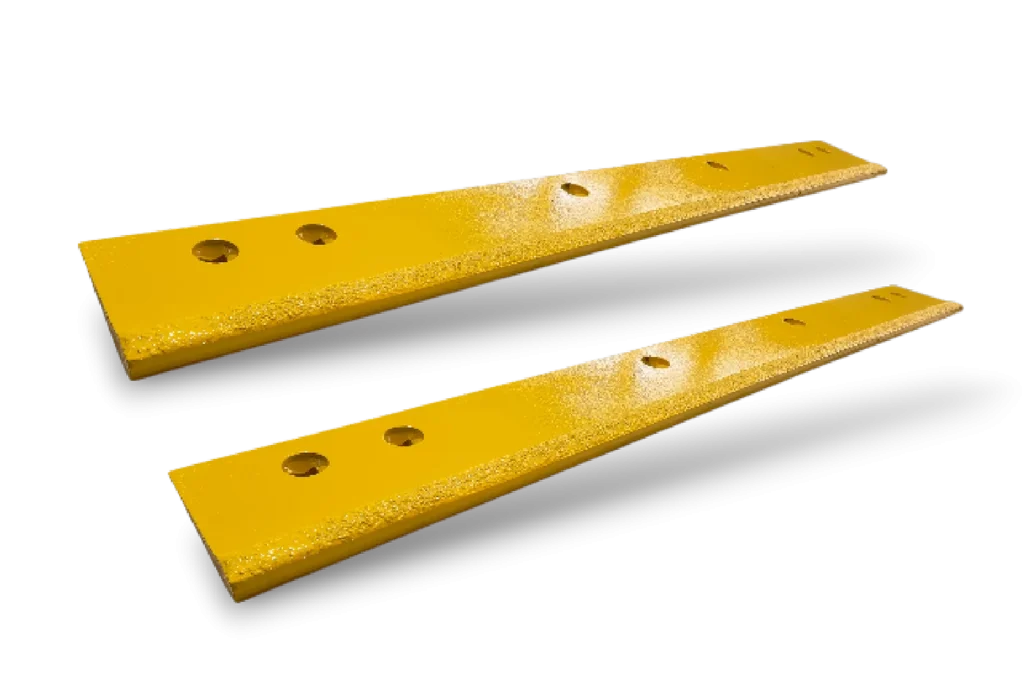
Noise, vibration, and pavement marking risk
Rubber-flex dampens vibration and noise relative to a continuous steel or carbide bar. Marking risk falls on coatings and soft asphalt, but curb hooks can still tear rubber. Carbide carriers mark more and can chatter on uneven joints; they shine when the KPI is scrape on grit, not silence.
Document resident complaint codes for a season if you are arguing for rubber-flex in a city packet. Qualitative noise claims without complaint counts rarely survive budget committee questions.
Segment length choices and spare logistics
| Choice | Upside | Downside |
|---|---|---|
| Short segments | Local damage scrapes less rubber/carbide | More SKUs, more training |
| Long segments | Simpler inventory | Local tear may force larger scrap |
| Full carbide bar | Fewest flex parts | Less pavement forgiveness |
| Mixed depot stock | Route-true edges | Needs labels and swap rules |
Spare strategy should match plow bay labels. Colour-code bins and print the route class on the edge carton mark when you buy private-label packs.
Cost model: changeout labour vs edge price
Compare systems on cost per lane kilometre, not sticker price. Rubber-flex may cost more per edge than steel and differently than a full carbide carrier; labour, complaints, and downtime decide the winner. Capture shop hours, overtime during events, and any coating repair chargebacks. Tungsten market context for carbide lines sits with USGS tungsten statistics for long-term contracts.
Mixing systems in one depot inventory
Mixing is rational for mixed books and dangerous for night improvisation. Write a one-page matrix: route class → edge family → spare location → who may authorise a mid-storm swap. Train new hires on the matrix before the first freeze. Keep bolt kits matched to each family so crews do not steal fasteners across systems.
Specification language for tenders
- Carrier type: rubber-flex segment vs rigid carbide carrier
- Hole pattern and overall length with drawing revision
- Segment size and carbide layout if applicable
- Backup plate / cover requirements
- Written fit confirmation before production release
- Batch ID marking for warranty
Cover fitment brand-model language, material choice versus full carbide, wear life framing, and traceability on JOMA-style tenders so “JOMA” is not treated as an SKU.
Cross-check fit philosophy with aftermarket vs OEM edges: explaining fit. For packed-ice outliers, keep packed ice carbide kits in the same tender alternate list.
Weather timing for rollout of a new mixed inventory should track NWS winter products so training is not scheduled for the first blizzard.
Aftermarket naming: saying JOMA-style without implying OEM supply
Tenders and dealer counters often type joma snow plow blade when they mean a rubber-flex sectional aftermarket system. Keep “JOMA-style” or “rubber-flex sectional” in the PO and drawings so receiving does not expect an OEM carton or trademarked hardware kit.
Attach segment length, bolt pattern, and spare-segment SKUs to that naming. Style language without geometry is how mixed depots end up with three incompatible flex systems sharing one shelf label.
FAQ
What does JOMA-style mean on an aftermarket plow edge?
In aftermarket language, JOMA-style usually describes a rubber-flex cutting edge that holds carbide segments in an elastomer carrier. It is a trade shorthand for geometry and behaviour, not a claim that the edge is an OEM JOMA factory part.
When should a route use JOMA-style instead of a full carbide carrier?
Favour rubber-flex segments on routes that mix pavement sensitivity, noise limits, and light-to-moderate ice. Keep full carbide carriers for abrasive highway asphalt and chip seal where changeout labour dominates.
Can one depot stock both JOMA-style and carbide edges?
Yes, and many fleets should. Label bays by route class, keep separate spare bins, and write swap rules so night crews do not hang the wrong family on a decorative lot or an arterial.
How do segment length choices affect spare logistics?
Shorter segments can reduce scrap when only one zone wears, but they raise SKU count and training load. Longer segments simplify inventory and can increase scrap if damage is localised.
What specification language belongs in a tender for these systems?
Call out carrier type, segment layout, hole pattern, rubber compound notes if required, carbide grade band if known, and require written fit confirmation. Avoid vague brand-only wording.
Request Specs or a Quote
Send us what you know at [email protected]: plow make and model, edge length, thickness and bolt pattern, plus a note on route surfaces. If measurements are missing, photos of the worn edge will do. Most enquiries get an English or Chinese reply within one working day. The quotation confirms MOQ and lead time for the product family; no blanket production schedule is listed here.