Measure the wear face before you rewrite the grade: chip seal leaves a signature that looks like “bad carbide” when it is often abrasive polish plus down-pressure clues. Fitment-style discipline, observe, photograph, then change one variable, beats swapping hardness by rumor.
Reading carbide edge wear patterns after chip seal season means separating rounding from chipping before you change grade.
After chip seal season, read carbide edge wear for abrasive rounding versus impact chipping, check down-pressure and spacing symptoms, and only then change grade. Use scaled photos and depot tags so the next RFQ is evidence-based. This complements reading carbide insert wear patterns with a chip-seal focus. Anchors: carbide snow plow blade, insert guide.
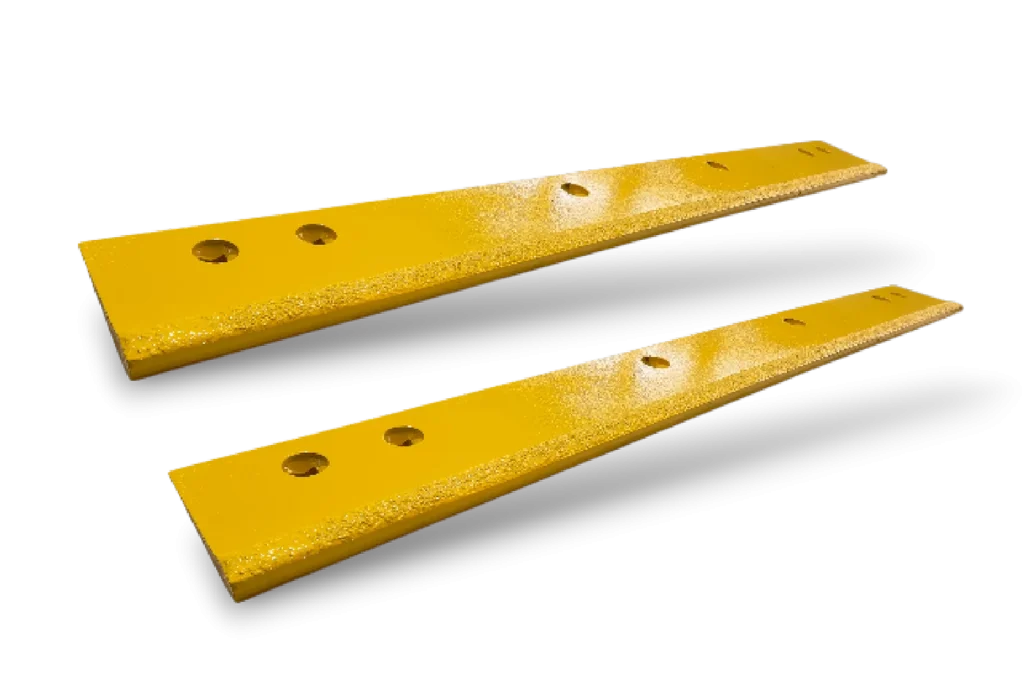
Chip seal abrasion signature
Wear patterns diagnose the route, not luck.
Carbide edge wear patterns show abrasion, impact, and down-pressure problems—read them before changing grade or spacing.
Generic carbide-tool wear articles talk mills and drills. Snow-plow edges add chip-seal abrasion signatures, rounding versus chipping, and insert-spacing symptoms. Photograph with a scale, tag the depot edge, and change grade only after the pattern is named. Mid-season guessing wastes inventory.
Closeout worksheets after chip-seal season—route ID, hours, photos—are the buyer artifact AIO text never requests.
Fresh and shedding chip seal acts like loose aggregate sandpaper. Tips round uniformly when abrasion dominates. Scallops between tips suggest spacing or bridge steel is doing too much work. One-sided polish implicates angle or moldboard twist.
Rounding vs chipping
Rounding = abrasion working as designed (life question). Chipping = impact or wrong toughness bias (grade/technique question). Mixing the two diagnoses leads to buying harder grades that chip worse on lids and heaves.
| Pattern | Likely driver | Next action |
|---|---|---|
| Uniform tip rounding | Abrasion / chip seal grit | Check life vs steel; maybe harder wear grade |
| Corner fractures | Impact / curb / lids | Technique, guards, tougher grade |
| Scallops between tips | Spacing / bridges | Review spacing on next revision |
| Blueing / heat tint | Dry high-pressure scrape | Fix ops before any grade change |
Down-pressure clues
Operators add pressure on sticky chip seal nights. Excess pressure accelerates both polish and fracture. Briefing cards should cap “more pressure” as the default response. Ops framing: FHWA.
When to change grade
Change grade after you have photos proving abrasion-limited life without impact chips, or impact chips without abrasion payoff. Do not change grade because one truck had a bad week on an untagged route.
Insert spacing symptoms
Wide spacing on chip seal can leave steel bridges that dish out. Tight spacing raises cost but can stabilize scrape. Lock spacing on the drawing; silent replenishment changes invalidate year-over-year wear reading.
Photo scale tips
Include a ruler or coin with known diameter. Shoot perpendicular to the tip face. Name files with truck-date-station. Night phone glare lies, retake in daylight when safe.
Depot tagging
Tag bars with route class and hours when they come off. Untagged scrap piles destroy learning. Season timing context: NWS. Canadian fleets: Transport Canada. Tungsten footnote: USGS. Evaluation culture: ND DOT. Standards: ISO 9001.
Links
Chip-seal season closeout worksheet
At season close, pull every tagged carbide bar that ran chip seal and sort photos into rounding-dominant versus chipping-dominant piles. That single sorting step decides whether next year’s RFQ emphasizes wear grade, toughness, spacing, or operator briefing.
Add a line for down-pressure complaints from operators. If pressure creep was common, fix briefing and hydraulics habits before paying for a new grade. If rounding is uniform and intervals still beat steel, you may simply be seeing expected abrasive work, and the buy decision becomes economic, not metallurgical panic.
Share the worksheet with the vendor when asking for revision advice. Vendors respond better to station photos with scales than to “chip seal destroyed them.” Keep batch IDs on the worksheet so any claim or quarantine is possible.
For corridors scheduled for fresh chip seal next summer, plan edge strategy before winter, not after the first sticky night. Fresh seal plus unbriefed pressure is a predictable wear spike.
If chip seal corridors expand next summer, schedule a mid-winter check on those trucks rather than waiting for spring scrap piles. Early photos still show patterns while operators remember the nights that caused them.
Reading wear after chip-seal season without guessing
Chip seal throws aggregate that accelerates face wear and can round insert corners. Photograph the edge at the same three stations each inspection: left outer, centre, right outer. Note whether wear is even polish or localised chipping from curb geometry.
If wear is even and height loss tracks lane kilometres, the grade and layout are probably matched. If outers die early, check guards and attack angle before changing grade. If the face shows impact fractures, look for soft shoulders, manhole strikes, or excessive down-pressure.
File the photos with the drawing revision and truck ID. That packet becomes the evidence base for next season’s RFQ and for any private-label or wholesale reorder.
Share the chip-seal wear album with operators and purchasing in the same week. Operators explain curb geometry; purchasing locks the next RFQ. Waiting until spring erases the context that made the photos useful.
After chip-seal weeks, pair each wear photo with the salt and aggregate notes from the same route sheet. Aggregate size and binder age change how fast the face polishes; without those notes, spring RFQs argue about grade when the real variable was surface. Keep the album named by truck ID and week so two seasons can be compared side by side.
If outers wear faster than the centre on chip seal, inspect curb runners before changing insert grade. Shared-wear faults often masquerade as material complaints in spring purchasing meetings.
FAQ
What does chip seal typically do to carbide tips?
It often rounds tips through abrasion when grit sheds. Uniform rounding is an abrasion signature; corner fractures point to impact instead.
Should we always buy a harder grade after chip seal wear?
No. Harder grades help abrasion-limited life but can worsen chipping if impact is the real mode. Diagnose with photos first.
How do we photograph wear usefully?
Use a scale, shoot tip faces squarely, capture left/centre/right stations, and name files with truck, date, and station.
Why tag bars at the depot?
Untagged scrap prevents year-over-year learning and makes vendor claims vague. Tags should include route class and hours or kilometres.
Request Specs or a Quote
Email [email protected] for pricing or fitment help. Tell us the plow brand and model, attach photos of the worn edge if you can, and list length, thickness, bolt pattern and road surface conditions. We usually get back to you within one working day, in English or Chinese. Lead time and MOQ are part of the product-family quotation rather than a general figure on this page.