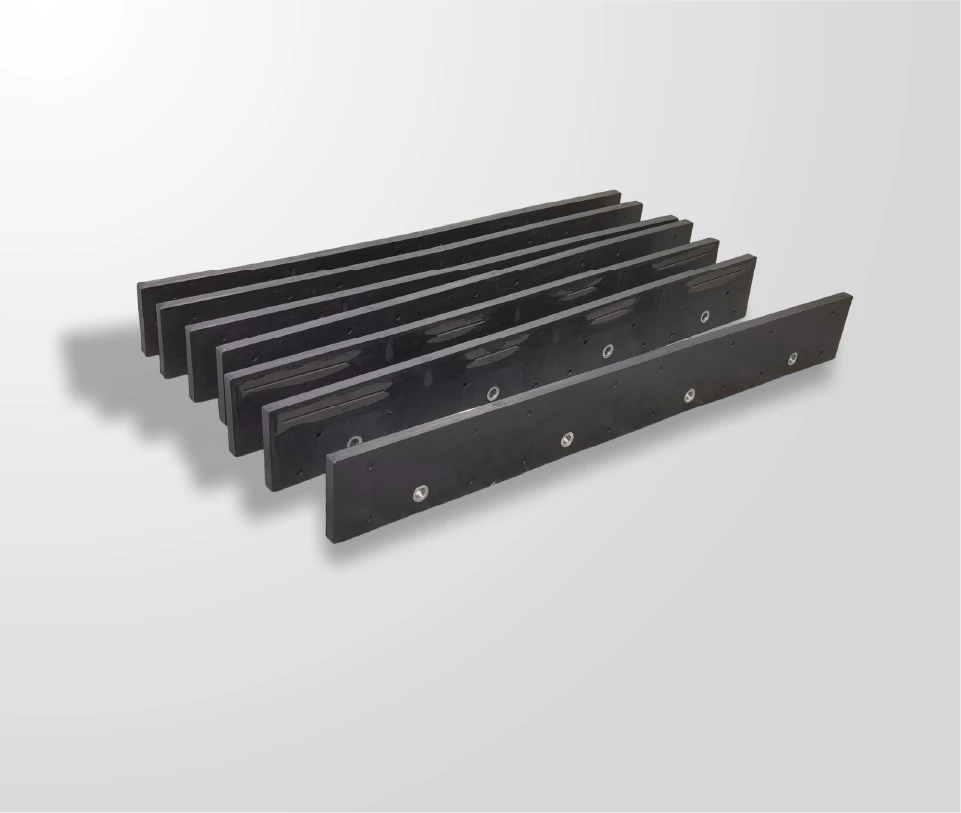
For rubber-flex or carbide? choosing the right edge, the best result comes from matching the component, material, and setup to a documented operating condition, then validating fit, wear, safety, and cost in a controlled trial. This updated guide uses current search evidence and official-source checks to turn the topic into a repeatable selection process.
Updated: October 19, 2026
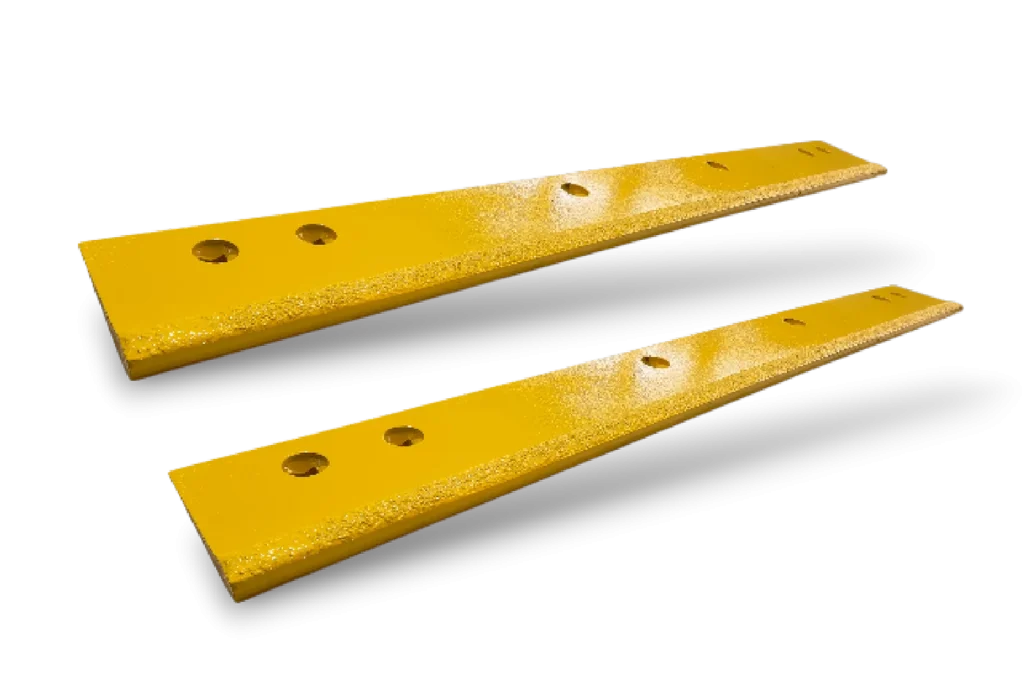
Fleets usually ask this question at the worst possible moment: after a customer complains, or before a season when both options are on the quotation and nobody wants to be wrong. The decision gets much easier when you frame it as a trade between wear and surface damage.
What each edge is actually optimised for
A rigid carbide edge is built to hold a scraping angle under load. It is at its best when the priority is clearing as much compacted material as possible from a hard, abrasion-resistant surface. A rubber-flex edge is built to follow the surface and absorb impact. It is at its best where the surface itself is the thing you are trying not to damage.
| Decision factor | Rubber-flex JOMA style | Rigid carbide blade |
|---|---|---|
| Primary strength | Conforms to the surface, absorbs impact | Holds the scraping angle under pressure |
| Surface risk | Very low | Can mark paving and scored concrete |
| Noise | Quiet | Loud on textured surfaces |
| Wear resistance | Carbide segments carry abrasion | Tungsten carbide across the full edge |
| Best surfaces | Lots, pavers, driveways, tight urban work | Highway, arterial, chip seal, gravel |
| Machine stress | Lower shock transfer | Higher shock transfer |
Three questions that settle it
- Whose surface is it? If the client owns the paving and will invoice you for damage, the answer is usually rubber-flex.
- How much material has to move? Long runs of heavy, windrowed snow favour a rigid edge that keeps its angle.
- What is the machine doing the rest of the time? A loader switching between a yard and a highway needs a setup that survives both.
Many operations run both. The mounting pattern is the same, so a truck can carry a rubber-flex edge for the downtown route and a carbide edge for the highway circuit without changing hardware.
The mistake that costs the most
The most expensive error is fitting a rigid edge on a route it was never designed for, damaging paving that costs far more than any blade saving. The second most expensive is fitting a soft edge on a route where the snow is never fully cleared, which pushes complaints in the other direction. Both are avoided by matching the edge to the route rather than to the fleet average.
Can a rubber-flex edge clear heavy snow?
It can clear it, but on long runs of heavy material a rigid edge holds its angle better and clears more per pass. Rubber-flex wins on surface protection, not on bulk clearance.
Do both types use the same carbide?
Both use sintered tungsten carbide. The difference is the body the carbide is carried on and the way it is presented to the surface.
This article is one step in the JOMA Style Rubber-Flex Blade Guide, which covers segments, clamps, insert retention and off-season storage.
Match the Edge or Attachment to the Actual Operating Condition
This research-backed framework closes a recurring gap in pages ranking for flex edge snow plow: readers need a decision method, not a list of unsupported superlatives. Apply the same evidence fields to every option before choosing rubber-flex or carbide? choosing the right edge.
| Decision gate | Evidence to collect | Release rule |
|---|---|---|
| Surface | Asphalt, concrete, gravel, pavers, bridge deck, or sensitive finish | Choose material and setup that protect the surface while meeting removal goals |
| Snow and ice | Loose snow, wet snow, compacted snow, bonded ice, or mixed conditions | Separate plowing, scraping, and deicing functions |
| Machine setup | Carrier weight, attack angle, down pressure, shoes, trip system, and speed | Verify the complete system rather than judging the edge alone |
| Validation | Short route trial, photographs, wear readings, fuel or time, and operator notes | Expand only after the trial meets a written acceptance rule |
The most useful choice is the one that meets the route objective without shifting damage or downtime elsewhere in the system. Record setup and operating conditions so the result can be repeated.
Run a Controlled Trial Before Full-Fleet Adoption
-
Freeze the baseline: record the current component, carrier settings, route, weather, operator, hours, and reason for removal.
-
Approve fit first: compare the supplier drawing with the machine and attachment. Do not drill, grind, weld, or substitute fasteners without an approved procedure.
-
Change one major variable: keep route and operating method as consistent as practical so the result can be attributed to the component rather than a different setup.
-
Inspect at planned intervals: photograph the same locations, measure wear, check fastener torque and retention, and log impacts or abnormal vibration.
-
Release against written criteria: decide in advance what wear, removal quality, downtime, and cost per operating hour would justify expansion.
Official-Source and SERP Verification
The technical boundary was checked against Federal Highway Administration snow and ice guidance. That source is used for the operating or safety context; model-specific dimensions, settings, and limits must still come from the approved manual for the exact machine and component. The following leading pages were reviewed for search intent and missing decision details:
Frequently Asked Questions
What should be verified before selecting rubber-flex or carbide? choosing the right edge?
Confirm the exact application, dimensions, carrier limits, operating surface, expected impacts, supplier drawing, and acceptance evidence. A product name or grade label alone is not enough.
How should rubber-flex or carbide? choosing the right edge be compared on cost?
Compare landed and installed cost, service hours, maintenance labor, downtime, collateral wear, and replacement reason. Use cost per operating hour for comparable routes rather than purchase price alone.
When is a trial required?
Use a controlled trial whenever fit, material, setup, route conditions, or supplier process changes. Define the baseline and pass criteria before the trial starts.
Which document controls installation and operating limits?
The current manual, approved drawing, and written instructions for the exact carrier and component control. General articles and cross-reference tables are screening tools, not installation authority.
Request an Application Review
Send SENTHAI the carrier or machine model, drawing or dimensions, operating surface, route condition, current failure mode, expected quantity, and target service interval. The engineering team can then review a suitable product path without changing the evidence requirements described above.