Rental counters hear the same complaint after a stamped-concrete job: the skid-steer plow “cut great” and also painted black arcs across the courtyard. The troubleshooting path starts with duty cycle, lot work versus roadway work, not with buying the thickest bar in the catalog.
Choosing a skid steer snow plow blade means matching lot surfaces and hydraulic down-pressure first; carbide, rubber, and poly all fail when the wrong length or plate thickness arrives.
Skid steer snow plow cutting edges should follow surface class and machine mass. Rubber-flex suits decorative lots; carbide suits abrasive yards when the machine can load the edge; poly/UHMW fills some pavement-sensitive niches. Confirm mounting plate thickness and length before ordering, and stock spares differently for rental fleets than for owned machines. Use the selection guide and JOMA-style blade pages as product anchors.
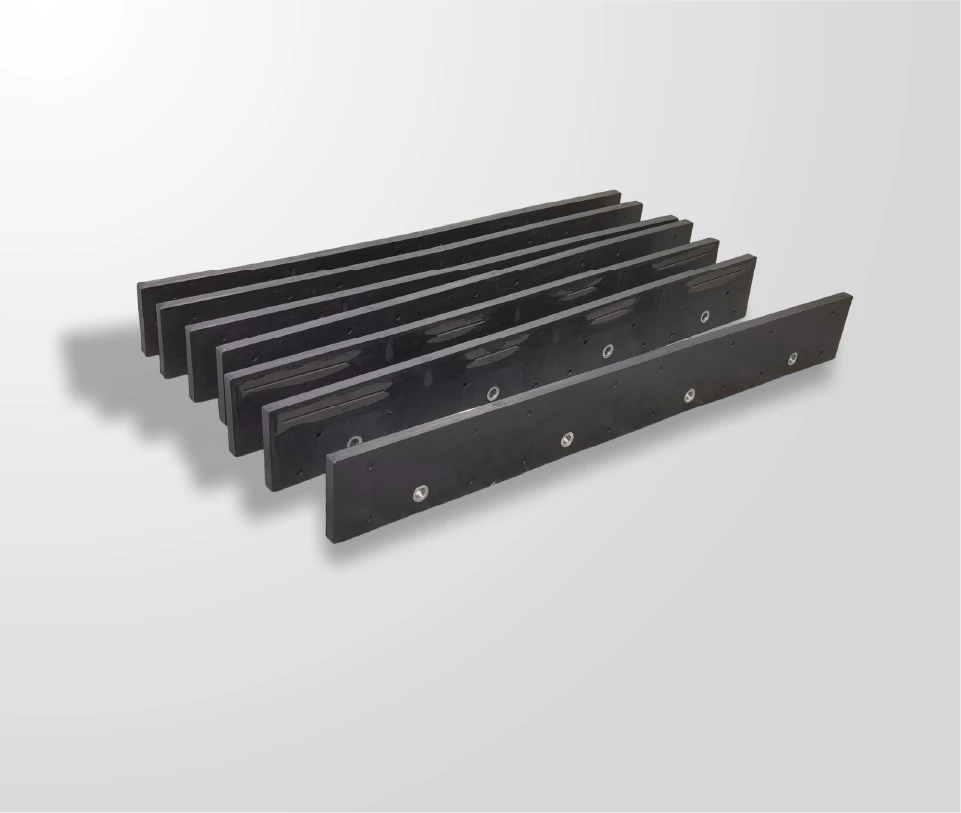
Loader/skid steer edge duty cycles
Skid-steer blades attach on SSQA plates.
Skid steer snow plow blades mount on universal quick-attach plates for lots and yards; edge material still follows surface and abrasion.
Attachment talk dominates overviews. Cutting-edge buyers still choose rubber-flex for stamped concrete, carbide for abrasive yards, and poly for quiet night work—with ice limits. Wrong length and plate thickness are common order errors. Rental fleets need spare depth by material family, not one hero edge.
Torque and backup-plate notes for carbide on compact equipment are rarely mentioned—light machines punish over-aggressive setups.
Skid steers and compact loaders accumulate hours in tight turns, repeated push-backs, and frequent reverse. Edges see more corner loading than highway bars. That duty chips aggressive carbide faster if operators dig to “clean it up.” Brief rental customers that angle and float settings matter as much as material choice.
Compact equipment also changes mid-season between property contracts and municipal overflow work. A single edge SKU rarely survives that mix without complaints. Split rubber and carbide by attachment ID, not by “whatever is on the shelf.”
Lot work vs roadway work
Lot work prioritizes surface appearance and noise. Roadway or yard work prioritizes abrasion resistance and scrape film. Moving a carbide-equipped skid steer from a gravel yard onto a decorative plaza without changing edges is a classic ticket generator.
| Duty | Edge bias | Operator note |
|---|---|---|
| Stamped / decorative lots | Rubber-flex / poly | Avoid aggressive down-pressure |
| Abrasive commercial yards | Carbide if machine can load | Watch corners and manhole lids |
| Mixed rental unknown | Start rubber; offer carbide upgrade | Document surface on the contract |
| Hardpack ice on lots | Separate plan; may need chemicals | Do not expect poly to cut glaze |
Rubber-flex for stamped concrete
Rubber-flex and JOMA-style modules reduce marking risk when the contract language cares about aesthetics. They still wear and still need fasteners torqued. See also JOMA flex blade guide for system behaviour. Replacement modules: JOMA-style replacement blades.
Carbide for abrasive yards
Gravel-dust yards and abrasive asphalt approaches chew steel and poly. Carbide can pay when the compact machine has enough mass and the contract allows firm scrape. If the machine constantly chatters, the bar may be too stiff or too aggressive for the hydraulics, downsize geometry rather than adding pressure. Product family for carbide carriers: carbide snow plow blade.
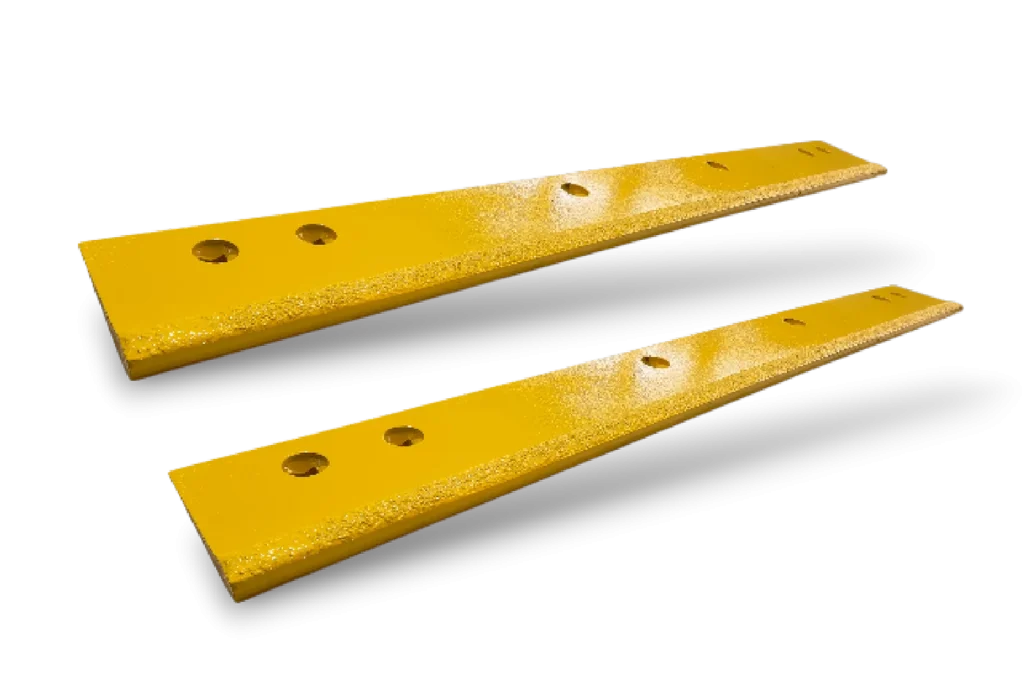
Mounting plate thickness cues
Thin mounting plates flex and elongate holes. Measure plate thickness and hole condition before hanging a heavier carbide stack. Re-bushing a rental attachment mid-season is more expensive than a correct first order. Photograph the plate with a ruler in every RFQ pack.
Common wrong-length orders
Compact plow bodies vary more than buyers expect. “Same as the yellow one” is not a length. Measure overall length and end distances; confirm whether shoes or trip edges change effective width. Aftermarket brand-style language still requires numbers, see aftermarket vs OEM edges.
Spare strategy for rental fleets
Rental fleets burn edges across unknown operators. Stock rubber as the default issue edge, keep a smaller carbide pool for known abrasive contracts, and kit fasteners. Tag returned machines for edge height before the next rental. Season demand spikes with weather; planning context: NWS and FHWA Road Weather Management. Canadian rental yards: Transport Canada. Tungsten pricing footnote when carbide pool expands: USGS. Evaluation mindset examples: ND DOT.
Product links
- Selection guide
- JOMA-style blade
- Carbide snow plow blade
- Snow plow collection
Skid-steer plow duty limits for carbide, rubber, and poly
Skid-steer plows operate with different mass and down-pressure than truck moldboards. Heavy carbide bars that work on a highway truck can overload a compact machine or dig into soft lots. Match edge mass and material to the loader’s rated attachments and the contract surface.
Rubber and poly win on decorative pavement and HOA courtyards; carbide wins when the route is abrasive and the machine can load the edge without bouncing. Keep sectional or shorter bars when storage and handling on a trailer matter.
RFQ fields: machine model, plow width, hole chart, surface class, and preferred material with a one-line reason. Use aftermarket style language for brand families. Contact [email protected] with photos for fit confirmation.
Compact machines change direction more often than highway trucks, so edge corners see more curb and island hits per lane kilometre. Spec a shorter or sectional layout when trailer storage is tight, and write a hard stop for hanging truck-mass carbide on a skid-steer plow that lacks the down-force to load it. Put that stop on the attachment checklist, not only in purchasing email.
For mixed rubber and carbide seasons on the same skid-steer, label spare edges by surface class on the trailer rack. Crews under time pressure will otherwise grab the wrong material and create pavement-mark tickets that erase any parts saving.
Skid steer blades and edge options are on the skid steer snow blade page.
FAQ
What cutting edge should a skid steer use on stamped concrete?
Prefer rubber-flex or poly systems that reduce marking risk. Carbide is usually too aggressive unless the contract explicitly allows firm scrape and the surface is not decorative.
When does carbide make sense on compact equipment?
When yards are abrasive, the machine can load the edge without chatter, and downtime from steel/poly changeouts already hurts. Confirm mounting plate condition first.
Why do rental fleets need a different spare strategy?
Unknown operators and mixed surfaces burn edges faster. Default issue rubber, reserve carbide for known abrasive jobs, and inspect height on return.
What causes wrong-length orders on skid steer plows?
Assuming all compact bodies share length, ignoring shoes/trip edges, and ordering from brand nicknames without measurements.
Request Specs or a Quote
Get a quote by sending plow make/model details or photos of the worn cutting edge to [email protected]. Please also note length, thickness, bolt pattern and the surfaces you plow. We reply in English or Chinese, normally within one working day. Lead time and MOQ are set per product family in the quotation, which is why this page leaves out a blanket production week figure.