Purchase price is the wrong KPI when a buyer asks whether “loader cutting edges” and “snow plow carbide” are interchangeable just because both mention tungsten carbide. Shared powder-metallurgy logic does not mean shared grades, geometries, or duty cycles.
Loader bucket and motor grader cutting edges can share manufacturing principles with snow plow carbide, but snow-plow grades and layouts are tuned for scrape, cold impact, and moldboard constraints. Cross-sell carefully: a snow-plow plant may quote loader edges only when drawings and duty are explicit. Use a checklist before mixing catalogs. Anchors: carbide snow plow blade, sourcing guide, and existing motor grader blade cutting edges.
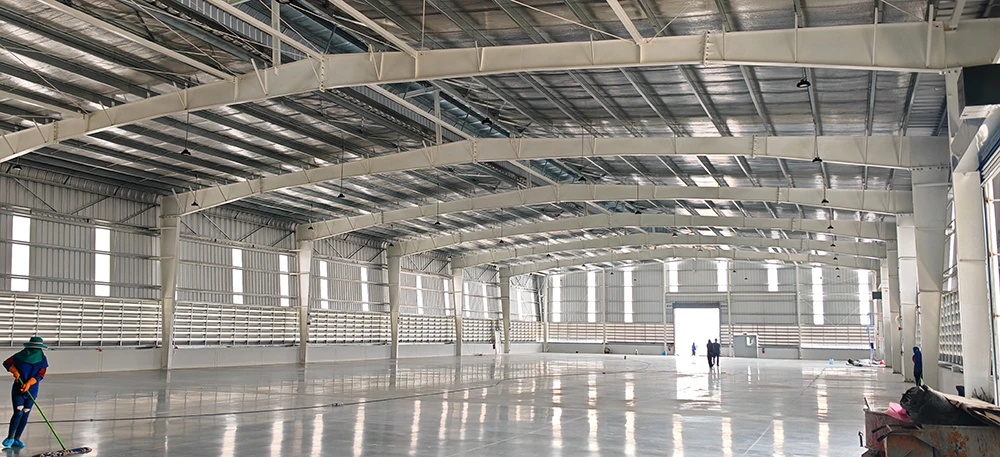
Shared powder-metallurgy logic
Loader edges protect the bucket lip.
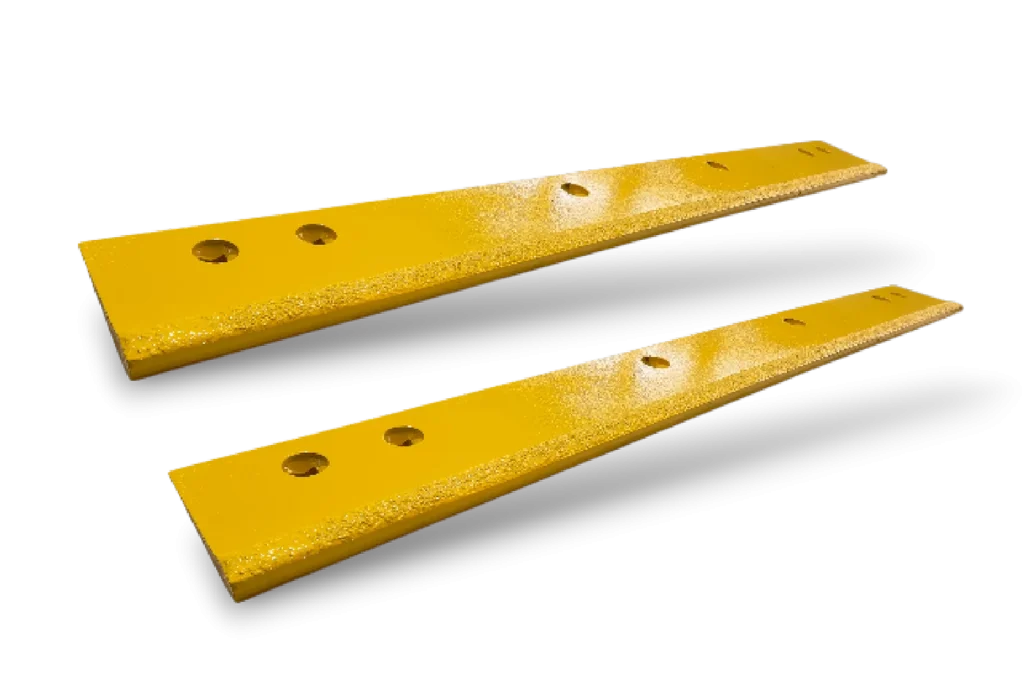
Loader cutting edges are replaceable blades on the bucket lip; snow-plow carbide grades and bolt patterns are a different RFQ family.
Shared wear-metal logic does not mean interchangeable drawings. Grader and bucket abrasion patterns differ from highway plow grit. Distributors should script the counter so customers do not receive snow-plow carbide when they need bucket edges—or the reverse. Spec checklists prevent cross-selling confusion.
Traceability and batch marks matter on imported wear edges for both families; ask for them even when the SKU looks “standard.”
Pressed and sintered tungsten carbide, brazed or mechanically retained in steel carriers, appears across earthmoving and snow equipment. Density, grade, and geometry still diverge by application. SENTHAI’s public process narrative covers powder through sinter and finishing in Rayong (per company website), useful context, not a claim that one grade fits every machine.
Why snow-plow carbide grades differ
Snow plow edges face cold brittle fracture risk, chloride corrosion on hardware, and long thin moldboard dynamics. Loader edges often see higher continuous abrasion in dirt and rock with different impact spectra. Copying a loader grade onto a plow, or the reverse, without duty notes is how chipping or rapid polish shows up mid-season.
| Attribute | Snow plow carbide | Loader / grader edges |
|---|---|---|
| Primary season | Winter scrape | Year-round earthmoving |
| Typical failure watch | Insert chips + polish | Abrasion + corner break |
| Geometry driver | Moldboard hole charts / covers | Bucket/grader board standards |
| Buyer mistake | Using dirt grades on plow | Assuming plow bars fit buckets |
Loader rubber cutting edges use cases
Rubber loader cutting edges appear where surface protection or material stickiness matters. They are not snow-plow JOMA-style systems by default. Keep naming precise on POs.
Grader edge abrasion patterns
Grader edges show long abrasive polish and corner wear patterns distinct from plow scalloping between inserts. Photo logs should use application-specific station marks. Existing grader content on site should be read as a sibling cluster, not as a snow-plow duplicate.
Cross-selling carefully without confusion
Distributors serving both municipal snow and construction accounts should separate catalogs and drawings. Train counters that “carbide edge” is not one SKU universe. GSC queries for loader cutting edges can be real demand, answer them with honest differentiation rather than forcing snow-plow copy.
When a snow-plow plant can quote loader edges
When drawings, grade targets, and volumes are clear, a carbide wear-parts plant may quote adjacent products. Ask for application engineers to confirm grade. Do not assume snow-plow lead-time language applies unchanged, lead time remains confirmed with quotation by product family.
Spec differences checklist
- Machine type and board/bucket drawing
- Grade target and impact vs abrasion bias
- Length, thickness, hole pattern
- Operating temperature and material being cut
- Warranty evidence expectations
GSC opportunity notes
Loader-edge queries appearing beside snow-plow demand signal adjacent intent. Capture them with clear comparison content (this article) and keep snow-plow landing pages focused on winter scrape. Ops and seasonality still matter for snow SKUs: FHWA, NWS, Transport Canada. Tungsten market: USGS. Standards overview: ISO 9001. Evaluation culture: ND DOT.
How distributors should script the counter conversation
When a customer asks for “loader cutting edges” after buying snow plow carbide last month, counters should ask machine type first, then surface or material being cut, then drawing availability. Only then discuss whether the same plant can quote. That script prevents shipping plow bars into bucket duty by accident.
Keep separate quote templates: snow-plow scrape versus earthmoving abrasion. Shared fields include length, holes, and grade bias; unique fields include cold-impact notes for plows and rock/dirt duty for loaders/graders. If the customer cannot provide a drawing, sell a measurement visit, not a guess.
GSC demand for loader edges is an opportunity to publish clear differentiation (this article) while protecting snow-plow landing pages from diluted messaging. Cross-links help humans; stuffing both intents into one thin page helps neither ranking nor operations.
If a snow-plow plant quotes loader edges, freeze that program under its own revision series. Do not overload a snow-plow drawing number with earthmoving changes. Lead time remains confirmed per quotation and product family.
Where grader and bucket edges differ from snow-plow carbide
Motor-grader and loader-bucket cutting edges share steel and carbide families with snow plow edges, but duty cycles differ: earth and aggregate abrasion, different attack angles, and different hole standards. Copying a plow carbide layout onto a grader board without measuring seats and centres is a common failure mode.
Decision path: identify the implement, measure the worn edge, classify the abrasion (road vs earth), then choose grade and layout. Snow-plow carbide optimised for asphalt scrape is not automatically the right insert spacing for a bucket that digs gravel.
Keep separate drawings per implement. When the same depot buys both, label racks clearly so crews do not hang a plow bar on a bucket during a rush.
FAQ
Can I put a snow plow carbide bar on a loader bucket?
Only if the drawing, length, holes, and grade match the loader duty, which is uncommon. Treat them as different products that may share a plant, not a SKU.
Why do snow-plow carbide grades differ from earthmoving grades?
Cold impact, moldboard dynamics, and scrape duty differ from continuous dirt/rock abrasion. Grade and geometry follow the duty, not the word “carbide” alone.
Will SENTHAI quote loader or grader edges?
Possibly when drawings and duty are explicit. Ask sales with full geometry; do not assume snow-plow catalog items transfer.
How should distributors avoid counter confusion?
Separate catalogs, train on application questions first, and ban PO lines that only say “carbide edge” without machine type.
Request Specs or a Quote
Not sure of the exact part? Photograph the worn edge, note its length, thickness and bolt layout, list the plow make/model and the surfaces you plow, then send everything to [email protected]. A reply in English or Chinese usually follows within one working day. The quotation states lead time and MOQ for the relevant product family; this article does not give a blanket production timeframe.