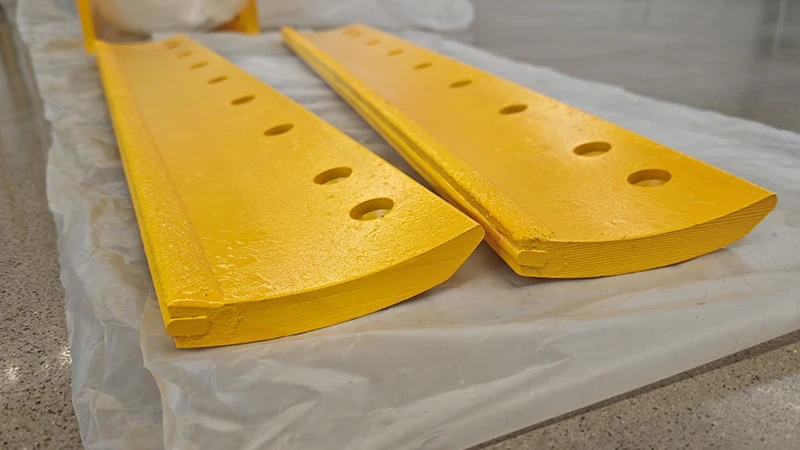
For plow shoes and skid shoes: selecting by surface and reducing edge wear, the best result comes from matching the component, material, and setup to a documented operating condition, then validating fit, wear, safety, and cost in a controlled trial. This updated guide uses current search evidence and official-source checks to turn the topic into a repeatable selection process.
Updated: October 19, 2026
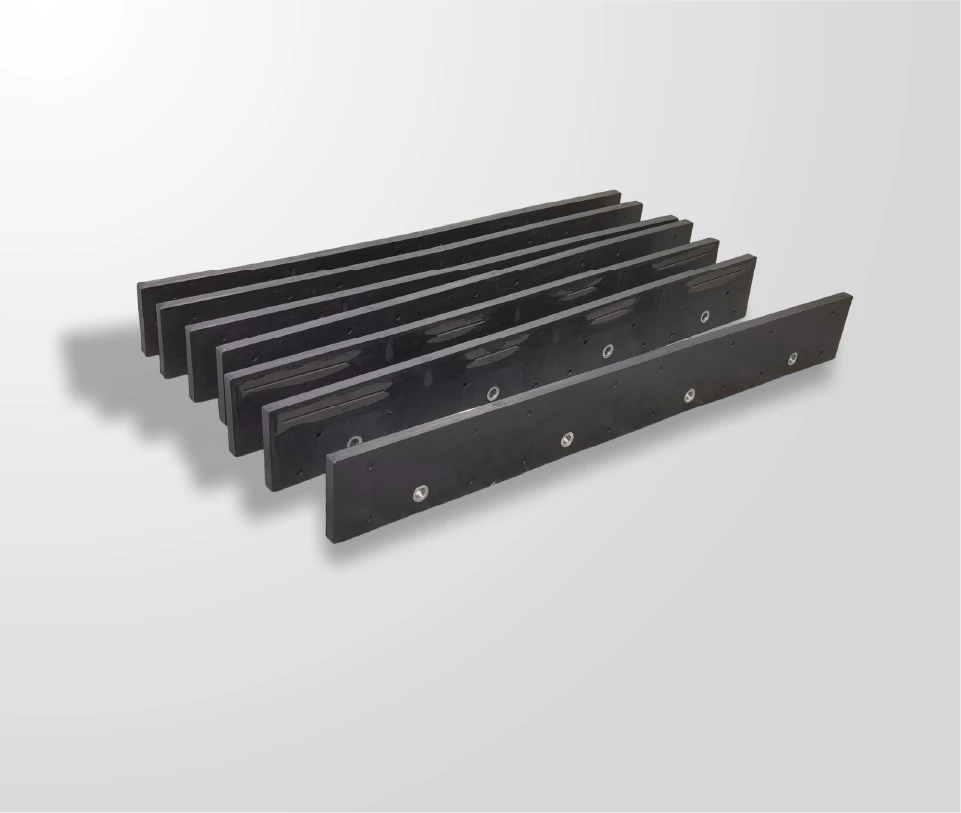
Two machines leave the same yard with the same blade and the same edge. One works residential streets where the pavement is sealed and the kerbs are close to the plow line; the other works a gravel network where the surface itself is the thing being protected. The first machine runs without shoes and cleans to the pavement; the second runs with them and leaves a layer behind on purpose. The hardware is identical, and the settings are not.
This decision path works through the choice one variable at a time: what shoes change in the way a blade behaves, how height sets the balance between edge protection and cleaning, which shoe material suits which surface, and how to record a setting so the next operator starts from a known position.
Plow shoes: what the shoes change in blade behaviour
Shoes carry part of the blade’s weight on a runner.
That single change produces every other effect. Less load on the edge means less abrasion at the contact face and less risk to the pavement, and it also means the edge sits higher than the surface and leaves material behind.
The runner becomes the wearing part instead of the edge, which moves the cost from the edge to the shoe, and it changes the geometry of the blade by lifting it a fixed distance above the surface regardless of what the surface is doing underneath.
Those effects arrive together, which is why shoes cannot be evaluated as an accessory. A fleet that fits them to protect edges on one route and forgets to remove them on another has bought edge life with cleaning performance and buried the cost in the next inspection.
Height settings and edge protection
Height is the setting that decides how the trade is divided, and it is measured as the distance the shoe holds the edge above the surface. At one extreme the shoe carries almost all the load and the edge never works; at the other it carries none and the edge does everything a bare blade would.
The useful setting sits at the point where the blade still clears material but the edge is not being driven into a surface it cannot cut. On sealed roads that point is usually reached with no shoes at all, because the pavement is the thing the blade should follow. On unsealed roads it is reached by raising the blade until the edge rides above the material rather than raking it, and the correct height is found by working up from contact rather than down from a nominal figure.
Shoe materials and wear life
The material decides how the shoe wears and therefore how often it is replaced, and the trade is the familiar one between cost and life.
| Material | Wear behaviour | Suits |
|---|---|---|
| Mild steel plate | Wears quickly but predictably and is cheap to replace | Occasional use, low-speed work |
| Abrasion-resistant steel | Substantially longer life at moderate cost | Continuous gravel and chip-seal work |
| Carbide-faced or inserted shoes | Longest life where abrasion is the mechanism | High-mileage unsealed networks |
| Polymer or urethane runners | Wear by deformation rather than abrasion; quiet on sealed surfaces | Surfaces where marking matters |
The fourth row is worth noting for a specific case: on sealed surfaces where a fleet wants protection without marking, a polymer runner wears differently from steel and produces a different surface result. It is not a general substitute for a steel shoe, and it is a reasonable answer to a narrow question.
Paved versus unsealed surfaces
The surface decides both whether shoes are used and how they are set, and the two cases pull in opposite directions.
| Consideration | Sealed pavement | Unsealed surface |
|---|---|---|
| Shoes | Usually none, with the edge following the surface | Fitted, with the edge held clear of the material |
| What is being protected | The pavement, from an edge set too deep | The surface itself, from being raked off the road |
| Cost of getting it wrong | Marked or cut pavement | Loss of the wearing course, then potholes |
| Cleaning result | Pavement cleared to the surface | A residual layer left deliberately |
Read across the fourth row and the purpose of shoes becomes clear: on an unsealed road the residual layer is not a failure, it is the surface being preserved. A fleet that judges a gravel route by how bare it looks after the pass has misunderstood what it is protecting.
Adjusting on the truck
Most shoe assemblies allow adjustment without removing the blade, and the practical method is to set them with the machine on the surface they will work rather than on a workshop floor. A sealed floor gives a false reading because the shoe and the edge are both in contact with something flat, and the height that results is not the height the machine will run at.
Once adjusted, the check is simple: lower the blade until the edge contacts the surface, then raise it by the amount the shoe is meant to hold it clear, and confirm that both runners sit evenly. Where one runner contacts before the other, the blade is not level and the settings are masking a mounting problem rather than solving one. How the edge itself behaves once it is in contact is covered on the gravel road plow shoes page.
Effect on cleaning performance
Shoes reduce cleaning performance by definition, because whatever holds the blade off the surface leaves material behind. How much is left depends on the height, the surface and the speed, and on a sealed road the residual layer is thin enough to be cleared by traffic and treatment rather than by another pass.
The judgement a fleet has to make is whether that residual layer is acceptable on the route in question. On a residential street with a low traffic volume it may not be, and the better answer is to remove the shoes and control the blade with down pressure. On a gravel road the layer is the point, and the alternative is losing the surface.
Replacement intervals
Shoe life is best managed by measuring rather than by scheduling, because the same shoe does very different amounts of work on two routes. The measurement to take is the remaining height of the runner at the point of contact, recorded at each service along with the surface it has been working.
Two patterns are worth acting on. Shoes that wear evenly on both sides are sharing the load, and the interval can be set from the measurement. Shoes where one side wears much faster indicate that most of the load is on that runner, which is usually a mounting or levelling issue rather than a reason to buy a harder shoe. Rotating shoes between sides at service is a cheap way to even out the difference where the assembly allows it.
Choosing by surface: the decision order
The decision is quicker if it is taken in a fixed order. Start with the surface: sealed pavement calls for the edge to follow it, and unsealed surfaces call for the edge to be held clear. Then establish what the route is protecting, since that determines how much residual layer is acceptable. Then choose the shoe material against the abrasion the surface produces, and set the height by working up from contact rather than down from a nominal figure.
The last step in the order is to record the setting on the machine, because a good setting that is not recorded is lost at the next change. Two figures are enough: the height the shoe holds the edge clear of the surface, and the surface the setting was chosen for.
Shoes versus other ways to protect an edge
Shoes are one of several ways to reduce edge wear, and on some routes they are not the best one.
- A flexible edge that deflects over obstacles instead of cutting into them, which protects both the edge and the surface.
- Controlled down pressure, which lets the operator reduce the load on the edge without lifting it clear of the surface.
- A tripping mechanism that releases the blade over an obstruction rather than transferring the load into it.
- Operator practice, including speed and angle, which changes the load the edge sees at every contact.
The second entry is the one most often neglected. Where a carrier can vary down pressure, the operator has a control that shoes do not provide: the blade can be kept in contact and loaded less heavily, which protects the edge without leaving a residual layer. Where that control does not exist, shoes are the remaining option.
Setting shoes up on a mixed fleet
A fleet working both sealed and unsealed routes needs the setting to be a decision rather than a default. The workable arrangement is to treat shoes as a route-specific fitting: present on the machines assigned to unsealed networks, absent on those working sealed pavement, and recorded on the machine so a reassignment does not leave an inappropriate setting in place.
Where machines move between route types, the setting needs to be changeable by the operator at the start of a shift rather than by a workshop. That is a specification point about the assembly, and it is worth checking before a purchase rather than discovering that the adjustment needs tools and a ramp.
Recording shoe settings with the machine
Settings record best when they live with the machine rather than with the route, because that is where they are applied. Three entries cover the requirement: the height the shoe holds the edge clear, the surface the setting was chosen for, and the date and measurement from the last service.
Two further items make the record useful for a fleet rather than for one machine. Note the shoe material and part number, so a replacement is ordered against the right item, and note whether the wear was even across both runners, which is the earliest indication that the blade is not level.
Practice for setting up and maintaining this kind of equipment is published by the Snow and Ice Management Association and the American Association of State Highway and Transportation Officials, equipment standards by SAE International and the Association of Equipment Manufacturers, and road weather guidance by the Federal Highway Administration.
SENTHAI manufactures plow edges, rubber-flex blades and carbide inserts in Rayong, Thailand, with the edge specification confirmed against the surface a route presents, which is the same information the shoe setting is built from. Where a machine runs both surface types, the two decisions are best taken together, and the terminology used for the assemblies involved is clarified on the plow feet and skid shoes page. Machines that need the edge and the setting reviewed together can be raised through the contact page.
Match the Edge or Attachment to the Actual Operating Condition
This research-backed framework closes a recurring gap in pages ranking for Plow Shoes and Skid Shoes: Selecting by Surface and Reducing Edge Wear: readers need a decision method, not a list of unsupported superlatives. Apply the same evidence fields to every option before choosing plow shoes and skid shoes: selecting by surface and reducing edge wear.
| Decision gate | Evidence to collect | Release rule |
|---|---|---|
| Surface | Asphalt, concrete, gravel, pavers, bridge deck, or sensitive finish | Choose material and setup that protect the surface while meeting removal goals |
| Snow and ice | Loose snow, wet snow, compacted snow, bonded ice, or mixed conditions | Separate plowing, scraping, and deicing functions |
| Machine setup | Carrier weight, attack angle, down pressure, shoes, trip system, and speed | Verify the complete system rather than judging the edge alone |
| Validation | Short route trial, photographs, wear readings, fuel or time, and operator notes | Expand only after the trial meets a written acceptance rule |
The most useful choice is the one that meets the route objective without shifting damage or downtime elsewhere in the system. Record setup and operating conditions so the result can be repeated.
Run a Controlled Trial Before Full-Fleet Adoption
-
Freeze the baseline: record the current component, carrier settings, route, weather, operator, hours, and reason for removal.
-
Approve fit first: compare the supplier drawing with the machine and attachment. Do not drill, grind, weld, or substitute fasteners without an approved procedure.
-
Change one major variable: keep route and operating method as consistent as practical so the result can be attributed to the component rather than a different setup.
-
Inspect at planned intervals: photograph the same locations, measure wear, check fastener torque and retention, and log impacts or abnormal vibration.
-
Release against written criteria: decide in advance what wear, removal quality, downtime, and cost per operating hour would justify expansion.
Official-Source and SERP Verification
The technical boundary was checked against Federal Highway Administration snow and ice guidance. That source is used for the operating or safety context; model-specific dimensions, settings, and limits must still come from the approved manual for the exact machine and component. The following leading pages were reviewed for search intent and missing decision details:
Frequently Asked Questions
What should be verified before selecting plow shoes and skid shoes: selecting by surface and reducing edge wear?
Confirm the exact application, dimensions, carrier limits, operating surface, expected impacts, supplier drawing, and acceptance evidence. A product name or grade label alone is not enough.
How should plow shoes and skid shoes: selecting by surface and reducing edge wear be compared on cost?
Compare landed and installed cost, service hours, maintenance labor, downtime, collateral wear, and replacement reason. Use cost per operating hour for comparable routes rather than purchase price alone.
When is a trial required?
Use a controlled trial whenever fit, material, setup, route conditions, or supplier process changes. Define the baseline and pass criteria before the trial starts.
Which document controls installation and operating limits?
The current manual, approved drawing, and written instructions for the exact carrier and component control. General articles and cross-reference tables are screening tools, not installation authority.
Request an Application Review
Send SENTHAI the carrier or machine model, drawing or dimensions, operating surface, route condition, current failure mode, expected quantity, and target service interval. The engineering team can then review a suitable product path without changing the evidence requirements described above.