Two public works departments tender the same quantity of plow edges in the same year. One issues in March and has the material in store by September; the other issues in August, awards in October, and takes the first delivery in December with the season already under way. The difference between them is not the size of the contract or the number of bidders. It is whether the calendar was built backwards from the season or forwards from the issue date.
This is the implementation path for building one that works backwards. It covers the approval and evaluation windows that consume the time, the production and shipping lead time that has to be in front of the season, the contingency that absorbs the delays which recur, and the decisions to take early when an award is going to be late.
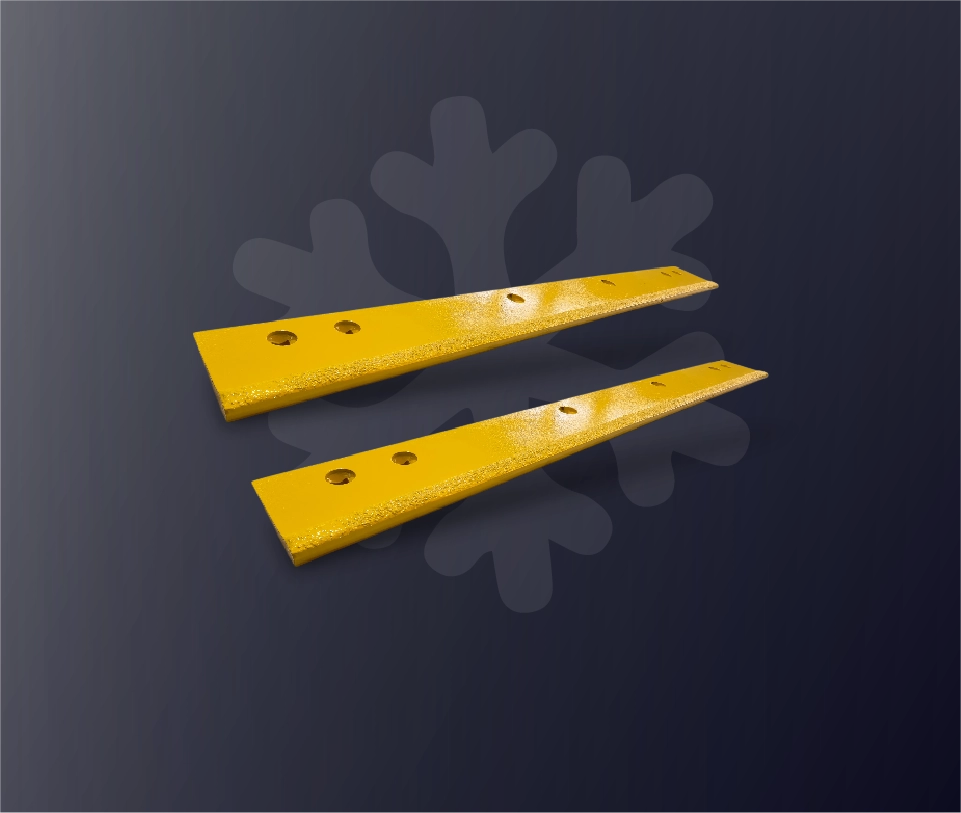
Winter parts tendering calendar: working backwards from the season
Set the season date first and count backwards.
The fixed point is the date the material has to be in store, which is set by the season rather than by the procurement process.
Working back from it, the calendar has four stages: the production and shipping lead time, the evaluation and award window, the approval cycle where one applies, and the drafting and internal review of the documents. Each stage has a duration that can be estimated from the fleet’s own history, and the sum determines the issue date.
The reason to build it this way is that the later stages have fixed dates and the earlier ones do not. A freeze arrives when it arrives; an issue date can be moved earlier. A calendar built forwards treats the season as the variable, which is the one thing it cannot be.
Approval and council cycles
Approval is the stage most often underestimated, because its duration is set by a meeting schedule rather than by the work involved.
- Establish the meeting dates at which the award can be approved, and how far in advance papers are required.
- Confirm whether the award requires a single approval or a two-stage process, such as a budget item and a contract award.
- Allow for a cycle in which the item is deferred, which is common where a meeting runs short of time.
- Record the actual approval duration from the previous tender, since it is the best estimate of the next one.
The fourth step is what turns the estimate into a figure. A department that has run the same process before has its own durations, and using them is more reliable than any general assumption about how long an approval takes.
Evaluation and award windows
The evaluation window covers the period from bid closing to the recommendation, and it is longer than the scoring itself. The time goes into checking compliance, seeking clarifications, normalising prices and preparing the report, and each of those has to be allowed for.
Two practices keep the window realistic. Setting the clarification deadline at bid closing rather than allowing an open-ended exchange, which prevents the process losing weeks to correspondence. And running the compliance check before the scoring, so that a bid which cannot be scored does not consume evaluation time. The scoring method itself is set out on the tender evaluation page.
Production and shipping lead times
The lead time between award and delivery is the stage that cannot be compressed by process, and the table below sets out its components.
| Stage | What determines it | When it is longest |
|---|---|---|
| Order acceptance and scheduling | The supplier’s position in its own production queue | After other awards in the same region have landed |
| Production | The specification and whether tooling or material is held | Where a non-standard pattern or grade is required |
| Shipping and customs | Mode, distance and whether the goods cross a border | At peak season, and where documentation is queried |
| Receiving and acceptance | The fleet’s own goods-in process | Where lots arrive unmarked and have to be traced |
The first row is the one that surprises departments, because it depends on what else is happening in the market rather than on this order. A tender awarded at the same time as several others in the same region joins a longer queue than the same tender awarded a month earlier.
Contingency for delays
Contingency is a reserved period rather than a hopeful margin, and the sequence below shows where it belongs.
- Reserve time after the approval stage, where deferral is most common.
- Reserve time after evaluation, where a clarification round can extend the window.
- Reserve time in delivery, so that a late shipment still arrives before the season.
- State in the documents what happens if a delivery date is missed, so the contingency has an enforcement behind it.
The third item is the one that protects the season. A contingency held inside the delivery window rather than at the end of the process means a late delivery consumes the reserve rather than the first week of the season.
Calendar template
The template below works backwards from the season and produces the dates each stage has to meet.
- Set the date material must be in store, taken from the fleet’s seasonal start rather than from a preferred date.
- Deduct the production and shipping lead time to get the required award date.
- Deduct the evaluation window, including clarification, to get the bid closing date.
- Deduct the advertising period to get the issue date.
- Deduct the approval cycle and the drafting period to get the date the documents have to be ready for internal review.
The fifth step is the one that decides whether the calendar works, because it is usually earlier than anyone expects. A department that has to be ready for internal review three months before it thought it did will find the difference in the quality of the documents rather than only in the schedule.
Lessons from late awards
Late awards follow a small number of patterns, and each has a specific remedy. A calendar built forwards produces a schedule that assumes the season can move. An approval deferred to a subsequent meeting removes a month that was never reserved. A specification clarified during evaluation extends the window and delays the recommendation. And a delivery scheduled against the award date rather than against the season leaves no slack for production.
The common feature is that none of these is a procurement failure; each is a scheduling assumption. The remedy is the same in every case, which is to build the calendar from the season and to record the actual durations so the next one is estimated rather than assumed.
What the calendar cannot control
Three things sit outside a department’s control and have to be planned around.
- The weather, which determines when the season actually starts and can advance the requirement by weeks.
- The supplier market, which determines the queue an order joins after award.
- The approval schedule, which is set by a meeting calendar rather than by the procurement team.
The first is the reason the season date used in the calendar should be the earliest plausible start rather than the average one. Building to an average start produces a schedule that is late in the years it matters, and the cost of being early is a few weeks of storage rather than a season without material.
Running the calendar as a living document
The calendar improves when the actual dates are recorded beside the planned ones. The durations that matter are the approval cycle, the evaluation window and the delivery lead time, and after two tenders a department has its own figures for all three.
Those figures are also what makes a late award visible early. A department that knows its approval cycle takes longer than planned can start the process a month earlier rather than discovering the problem in October, and the same records support the longer planning horizon described on the inventory planning page. Public sector procurement practice is published by the National Association of Counties and the American Association of State Highway and Transportation Officials, network guidance by the Federal Highway Administration, winter research by the Transportation Research Board, and fleet practice by the Snow and Ice Management Association.
SENTHAI manufactures plow edges, wear plates and carbide inserts in Rayong, Thailand, and supplies public fleets and distributors against a specified pattern, with lead times that depend on an order’s position relative to the season. Tenders that need the production and shipping lead time confirmed can be raised through the contact page.
FAQ
When should a winter parts tender be issued?
Early enough that the award precedes the season by more than the production and shipping lead time. Working backwards from the first expected freeze through delivery, evaluation, approval and drafting gives the issue date, and for most public bodies that places the issue in the first half of the year.
Why do winter parts awards run late?
Usually because the calendar was built forwards from the issue date rather than backwards from the season. Approval cycles and evaluation windows are the two stages that consume more time than expected, and a calendar that does not reserve time for them will absorb the overrun out of delivery.
What should be done if an award is going to be late?
Decide early what the fleet will run on in the interim, and in what order the shortfall will be covered. A partial award, an extension of an existing contract or a small bridging order are all workable, and all of them are easier to arrange while there is still time than after the first freeze.
Send the season start, the quantities and the patterns you intend to tender. The SENTHAI engineering desk will confirm the production and shipping lead time so the calendar can be built backwards from the season.