Three failures account for most overseas sourcing problems: the product was never defined, the supplier was a trader rather than a manufacturer, or the first order was too large to be a test. Each is avoidable, and each is decided before a single enquiry is sent.
This is the implementation path for that process: defining the product, shortlisting manufacturers, asking the questions that separate a factory from an intermediary, running a trial that produces evidence, and scaling once the evidence exists.
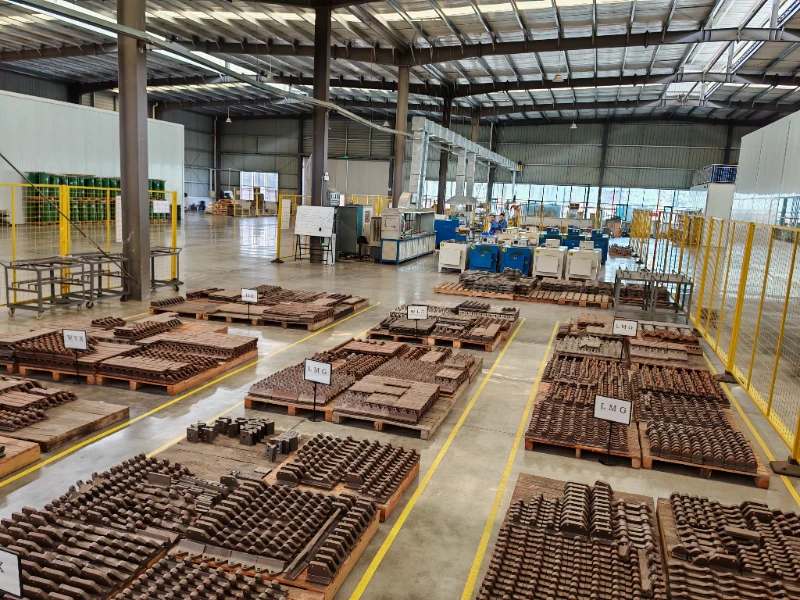
The specification that makes sourcing snow plow blades overseas possible
A specification is what makes overseas sourcing possible.
It replaces the site visit an importer cannot make on every order, and it turns three offers into three prices for the same part instead of three interpretations of the same words.
Five items define the product: the edge dimensions, the bolt pattern as a layout rather than a pitch, the material and grade requirements, the retention method, and the documentation required with each lot. A drawing or a measured layout carries most of it, and the documentation requirement is what makes the rest checkable at goods-in. Without those five, every supplier quotes a different interpretation and the comparison measures the interpretations.
Searching and shortlisting manufacturers
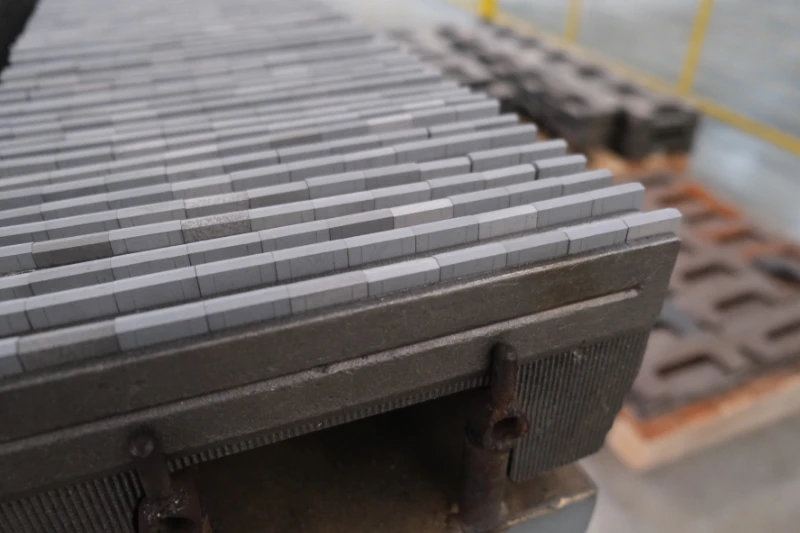
Shortlisting should follow the processes the product requires rather than a general search for the category. A carbide edge needs pressing, sintering, brazing and inspection; a rubber-flex edge needs bonding and vulcanization. Suppliers who perform the key process in-house are the ones to shortlist, and suppliers who subcontract it are candidates for a different arrangement rather than for elimination.
Trade shows, industry directories and distributor references produce candidates; the specification produces the shortlist. Where a fleet or distributor already buys related parts, asking those suppliers who manufactures them is usually faster than any directory.
Questions that separate factories from traders
Four questions do most of the separating, and the answers matter more than the certificates.
- Which processes are performed in-house, and which are subcontracted?
- What process parameters are recorded for the joining or sintering step, and can an example record be provided?
- What documentation accompanies a delivered lot, and what does it contain?
- What is the production capacity, and where does a new order sit against other commitments?
The second question is the most informative, because only a manufacturer can produce process records for its own line. A supplier who answers the first three with product descriptions and the fourth with a promise is an intermediary, which may still be the right route to market but is not the same supplier to manage.
Sample and trial order strategy
A hand-made sample tests the wrong thing. What a buyer needs to know is whether the process repeats, and that appears in a small production lot rather than in a sample made specially.
The practical approach is to order a trial quantity of a few pieces against the drawing and the specification, produced on the same line and documented as the full order will be. Inspect the trial on the receiving routine, fit it to a machine and run it on a route. A trial that passes all three stages gives something the first production order can be measured against. The inspection method is described on the delivery inspection page.
Price, lead time and shipping terms
Three commercial inputs decide what the landed cost will be, and each has to be stated in the enquiry rather than discovered at the order.
- The price basis and the quantity it applies to, including any tooling or set-up.
- The production lead time for that quantity, stated in weeks from order rather than from a payment.
- The delivery terms and the point they apply to, so freight can be compared on one basis.
The third item is where offers become incomparable. Two quotations with the same goods price and different delivery terms differ by more than most negotiations achieve, and the conversion method is set out on the landed cost page.
Documentation and compliance
Documentation is the buyer’s substitute for presence, and the items to request are the ones the receiving process will use.
- The drawing revision the lot was produced to.
- The dimensional record for the dimensions named in the specification.
- The material declaration, with the standards the values were measured to.
- The batch reference that ties the lot to its production record.
- The inspection result for the joining step, where the product is bonded.
Import documentation and origin requirements are governed by the destination country’s customs authority, such as US Customs and Border Protection, with the classification and origin conventions published by the World Customs Organization. The trade terms used in the order are defined by the International Chamber of Commerce.
Risk controls for a first order
The risks on a first overseas order are concentration, specification drift and cash, and each has a standard control.
Concentration is controlled by keeping the existing supplier in place until the new one has delivered twice, rather than switching on the strength of a trial. Specification drift is controlled by the drawing and the documentation requirement, which make a delivered lot checkable against a stated revision. Cash is controlled by payment terms tied to shipment and inspection rather than to order, and by insisting on the inspection documentation the contract requires.
Scaling from trial to programme
Scaling is a matter of moving the trial’s terms into a repeatable order rather than of renegotiating. The items that carry over are the drawing revision, the dimensional record, the batch reference and the packing specification; the items that change are the quantity, the price and the delivery schedule.
- Confirm the trial’s specification is the one that produced the passing pieces.
- Move the quantities up in the same increments the supplier’s process can absorb.
- Agree a delivery schedule against your season rather than against the supplier’s convenience.
- Keep the receiving inspection at the same level, since the process can drift between lots.
The fourth step is the one that gets relaxed after a good trial. Inspection levels drop once deliveries look familiar, which is exactly when an uncontrolled change in the supplier’s process goes undetected.
Managing the relationship after the first year
An overseas supplier relationship is managed through records rather than visits, which means the records have to be good enough to carry the relationship. Three practices keep it that way: recording every batch delivered against the specification it was made to, reviewing the non-conformances of the year rather than the incidents of the month, and requalifying when something changes at the supplier’s plant rather than only on a calendar.
Where those practices are in place, the buyer can tell the difference between a supplier whose process has drifted and one whose product is being asked to do something new, which is the distinction that decides whether the next step is a corrective action or a specification change. Procurement practice for public and private buyers is published by the National Association of Counties and the American Association of State Highway and Transportation Officials, and equipment standards by SAE International.
SENTHAI manufactures carbide and rubber-flex plow edges, wear plates and inserts in Rayong, Thailand, with pressing, sintering, brazing and inspection in-house, and supplies trial quantities against a specified drawing so a first order can be assessed on evidence. Sourcing enquiries can be raised through the contact page, and the process chain is described on the factory page and the distributor programme page.
FAQ
How do I find an overseas manufacturer for plow blades?
Start from a defined specification rather than a search, then shortlist by the processes the product needs. A carbide edge requires pressing, sintering, brazing and inspection under one roof or under managed subcontract, and suppliers who outsource the key process are assembling rather than manufacturing.
How can I tell a factory from a trading company?
Ask which processes are performed in-house, what the recorded parameters are for the key steps, and what documentation accompanies a lot. Factories answer with process detail; traders answer with product descriptions, price lists and promises about quality.
Should the first order be a sample or a trial quantity?
Order a small production-run quantity against the drawing rather than a hand-made sample. A sample shows what the supplier can achieve once; a trial lot of a few pieces shows whether the process repeats, which is what the following orders depend on.
Send the drawing or measured layout, the quantities and the delivery point. The SENTHAI engineering desk will quote against that scope and confirm the documentation that travels with each lot.
This article is one step in the Sourcing Carbide Wear Parts Guide, which covers the technical pack, supplier selection, landed cost and supply risk.