Two municipal bars arrive from the same PO: one season later, Bar A still shows continuous insert seats; Bar B has tips lifting along a dull gray line where the filler never wet the pocket. The difference is rarely “carbide grade marketing.” It is how the plant joined hard tips to the steel carrier—and whether anyone inspected that joint before packing.
A carbide braze plow blade is a steel carrier with tungsten carbide inserts joined by high-temperature braze filler into machined seats. Induction heating often drives that cycle; fusion welding of steel hardware is a different role. Buyers should specify joint inspection cues, heat-control questions, and acceptance photos—not only insert grade names.
This article is written for fleet and plant engineers who already know why carbide outlasts plain steel on abrasive routes, and who need process language for RFQs, incoming inspection, and claim packs. Pair it with the snow plow blade selection guide and the product view of a carbide snow plow blade when you lock duty and geometry.
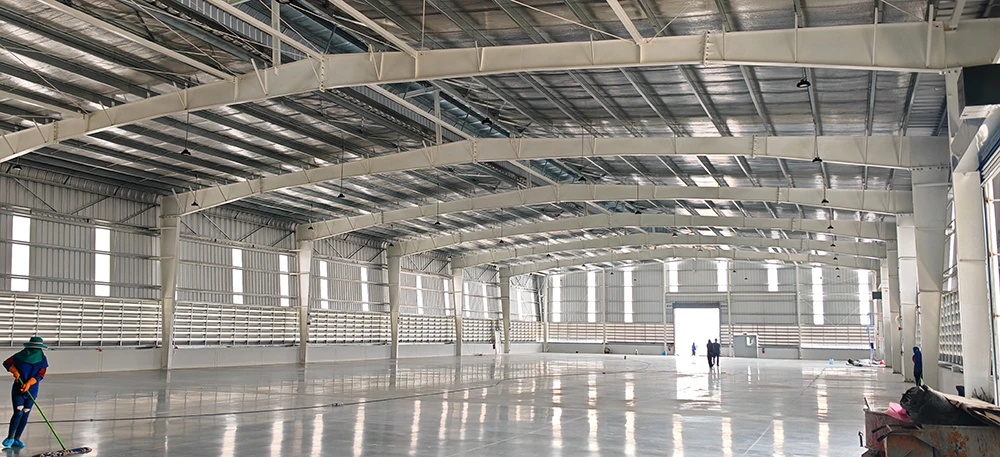
What a carbide braze plow blade actually joins
A carbide braze plow blade joins tungsten carbide inserts into a steel base with high-temperature filler that melts below the tip and carrier. Steel takes bolt loads and bend; carbide takes abrasion. Wet-out, void control, and heat input decide whether tips stay seated through curb strikes and chip seal.
When catalogs say “induction weld carbide edge,” ask what is being heated and what melts. Many production lines use induction coils to heat the braze cycle quickly and repeatably. That is not the same as melting the steel carrier into a fusion weld with the carbide. Carbide does not behave like a weldable steel filler; plants that succeed with plow edges treat the insert seat as a brazed assembly with process windows, not as a casual stick-weld repair.
For geometry and grade decisions that sit upstream of joining, use the insert page at carbide inserts and the process narrative at how carbide snow plow blades are made.
Braze vs induction weld roles on steel carriers
Keep the roles separate in your RFQ language:
- Braze (filler join): Capillary or gap-filling filler bonds carbide to the pocket. Strength depends on surface prep, flux/atmosphere, temperature/time, and cooling.
- Induction heating: Localized, fast heat source that can run a braze cycle with less soak of the whole bar than a large furnace soak for every station.
- Steel-to-steel welding: May appear on covers, shoes, or carrier fabrications—still distinct from retaining the insert.
If a quotation only says “welded carbide,” push for the filler family, temperature control method, and whether induction is used for braze cycles, for steel fabrication, or both. Ambiguous verbs hide process differences that show up as joint-line failures after the first hardpack week.
| Process role | What melts / bonds | Buyer ask | Field failure cue if wrong |
|---|---|---|---|
| Carbide braze | Filler only; tip and carrier stay solid | Filler type, temp window, pocket prep | Tips lift along a clean joint line |
| Induction-driven braze | Same braze bond; heat is localized | Coil setup control, cycle record, HAZ limits | Burned discoloration + brittle seats |
| Steel fusion weld | Steel members melt together | Where it applies on the assembly | Carrier cracks remote from inserts |
| Repair “weld” of tips | Often uncontrolled heat on field or bay work | Whether plant allows re-braze at all | Scattered tip loss after “fixed” bars |
Annealing, heat-affected zones, and toughness trade-offs
Every braze cycle puts heat into the steel carrier around the pocket. Too little heat and filler does not wet; too much and the heat-affected zone (HAZ) softens or embrittles depending on the steel and cooling path. Engineers buying edges do not need furnace recipes, but they do need to ask how the plant protects toughness in the steel next to the inserts.
Practical questions: Is there a controlled cool-down? Are bars checked for warp that changes bolt-hole alignment? Does overheating show as blue/black scale right at seats that later crack? A tougher carbide grade cannot save a joint whose steel pocket has been cooked past its process window.
Cost view (STYLE A4): the cheap cycle that skips heat control looks fine on day one and burns money when a mid-season tip lift strands a truck. Joint process discipline is part of total edge cost, not a metallurgy hobby.
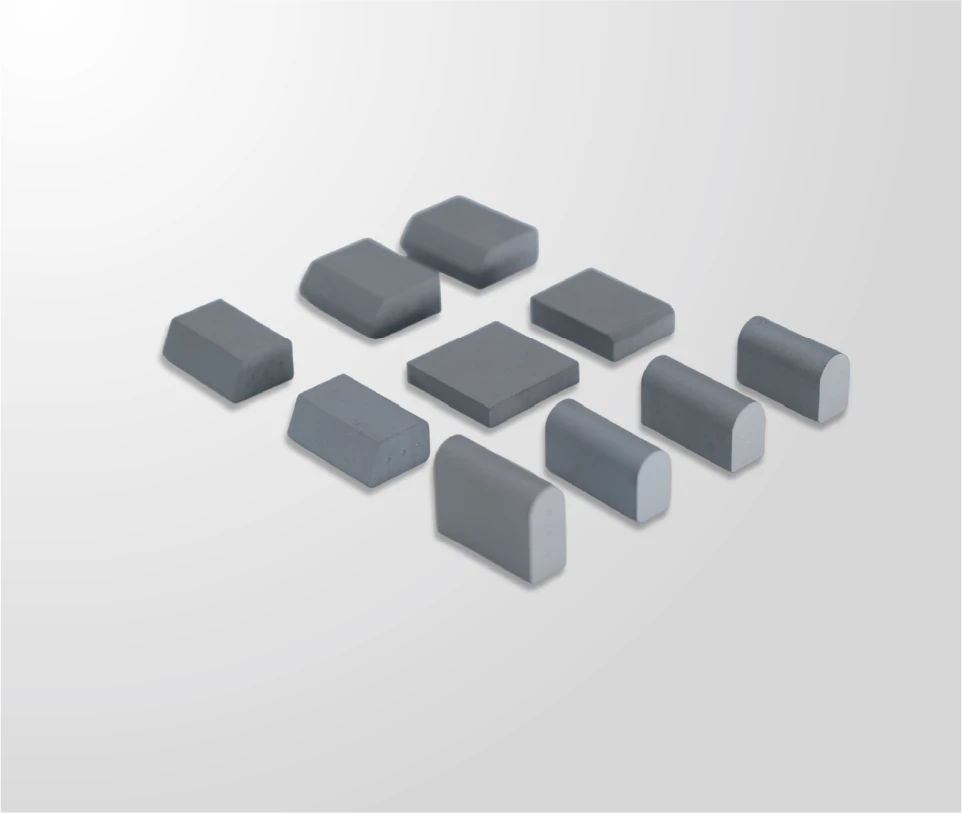
Inspection of joints before packing
Incoming and plant inspections that only check length and hole pattern miss the join. Add joint cues:
- Continuous filler fillet or wet-out along the visible seat edge
- No open voids at tip corners
- Insert face height consistent along the bar
- No heavy overheat scale concentrated only at pockets
- Batch / packing marks still readable for later claims
Photograph first-article seats under good light. If your receiving SOP already photographs carton marks for traceability, add two close-ups of insert seats per sampled bar. QC context on process control: quality control.
| Acceptance check | Pass cue | Hold / photo |
|---|---|---|
| Wet-out | Filler continuous at seat edges | Dry gaps, peened-over voids |
| Insert flushness | Even tip height within drawing tolerance | Proud or sunk tips in a cluster |
| HAZ appearance | Mild, even discoloration if any | Severe local burn at pockets |
| Marks | Batch ID matches packing list | Unmarked bars entering storm rack |
Field cracks along joints: reading the photos
Not every tip loss is a joint failure. Impact chip-outs often show fractured carbide with remaining braze still clinging to the pocket. Continuous cracks that follow the filler line, or tips that lift leaving a smooth unbonded pocket floor, point at joining or heat control.
When a bay sends photos, ask for: full-bar overview, two tip close-ups, hole condition, install date, route class, and the batch ID. That pack lets the plant separate one bad cycle from a grade mismatch. Winter ops pressure that makes quarantine speed matter is summarized in road-weather guidance from FHWA road weather and season framing from the National Weather Service.
Buyer acceptance tests you can write into an RFQ
Engineers can put joining into commercial language without inventing plant recipes:
- State that inserts are retained by braze (or name the approved process) and require the plant to declare induction use if applicable.
- Require first-article photos of seats and a sample dimensional sheet.
- Require batch marks linkable to the production lot; ask whether sinter-run and braze-cycle IDs exist behind packing marks.
- Define rejection for open voids, missing wet-out, or burned HAZ at seats on sampled bars.
- Ask for rework policy: whether failed tips are re-brazed, cut out, or scrapped.
Do not invent ISO certificate numbers in the RFQ. If policy requires ISO 9001 / 14001 evidence, request current certificates and verify scope yourself (ISO 9001 overview). SENTHAI states ISO 9001 and ISO 14001 certified processes per company website; treat that as a claim to verify with filed PDFs, not as a number to invent in a blog.
Process control questions for the plant
On a visit, video audit, or RFQ appendix, ask:
- How are braze temperature and time controlled and recorded?
- What surface prep and flux/atmosphere rules apply to insert pockets?
- How is induction coil setup locked for a given bar length and tip count?
- Where do nonconforming joints go, and can packing marks quarantine siblings?
- How does the plant separate steel fabrication welds from insert retention?
SENTHAI describes in-house powder metallurgy through pressing, sintering, welding/brazing, and finishing in Rayong, Thailand, per company website. Use the factory narrative for context: our factory. Tungsten market context for commercial files: USGS tungsten statistics. Canadian fleet programs can keep transport policy bookmarks at Transport Canada. Independent evaluation culture examples appear on agency sites such as North Dakota DOT.
Summary for engineers writing the next RFQ
Joining is a cost and reliability driver equal to grade choice. Name braze versus steel fusion clearly, ask how induction is used, inspect wet-out and HAZ cues, and keep batch marks for joint-line failures. Lifetime marketing ranges (including AI Overview style “many times longer than steel”) still depend on route abrasion, downforce, and whether the tips stay bonded—so treat longevity claims as conditional, not as a substitute for joint acceptance tests.
Lead time and MOQ stay quotation-specific by product family; do not lock blanket production week counts into the joining appendix. Contact for drawings and process questions: [email protected].
FAQ below uses realistic buyer questions seeded from Gap Matrix / purchase concerns. DataForSEO did not return People Also Ask for this keyword in the planning capture (labeled non-real PAA).
FAQ
What is a carbide braze plow blade?
A carbide braze plow blade is a steel cutting-edge carrier with tungsten carbide inserts joined by high-temperature braze filler. The braze bond holds the hard tips in place so the steel body can take bolt loads and flex while the carbide takes abrasion.
Is brazing the same as induction welding for carbide plow edges?
No. Brazing uses a filler metal below the melting point of the carbide and steel carrier. Induction heating often drives that braze cycle; induction welding usually means fusion joining of steel parts. Ask which process retains the inserts on your quoted bar.
How should buyers inspect a carbide-to-steel joint?
Check wet-out of filler along the insert seat, voids or gaps at tips, flushness of the insert face, and heat discoloration of the steel carrier. Photograph suspect seats and keep batch marks before the blade enters service.
Why do cracks show up along the carbide braze joint in the field?
Cracks along the joint often point to incomplete wet-out, overheating that embrittles the heat-affected zone, impact beyond grade toughness, or progressive fretting after a void opens. Separate impact chip-outs from continuous joint-line fractures with full-bar photos.
Request Specs or a Quote
Email [email protected] with your plow make and model, or a photo of the worn edge, plus length, thickness, bolt pattern and a note on the road surfaces you clear. We normally answer within one working day, in English or Chinese. Lead time and MOQ come with the quotation for each product family, so this page does not list a general production timeline.
Related Articles
- Snow plow blade selection guide
- Carbide snow plow blade
- How carbide snow plow blades are made
- Our factory
- Quality control