Carbide cover snow plow blade raises a practical question for Fleet teams: what should change in the edge, operating method, inspection, or purchasing specification, and what evidence supports that change? Start the review of the cover-and-carbide setup with the machine and route already in service. Keep price, MOQ, production timing, certification scope, and compatibility for the cover-and-carbide setup in the product-specific quotation and supporting documents.
For searches around carbide cover snow plow blade, search results mix product pages, forums, and general explanations without one complete buyer workflow. Pages about the cover-and-carbide setup were thinnest on practical buyer questions, service-life evidence and cost per mile, traceability, certificates, and specification records, and material-choice evidence. A useful answer on the cover-and-carbide setup defines the duty, collects evidence, compares one controlled change, sets the acceptance limit, and records the next action.
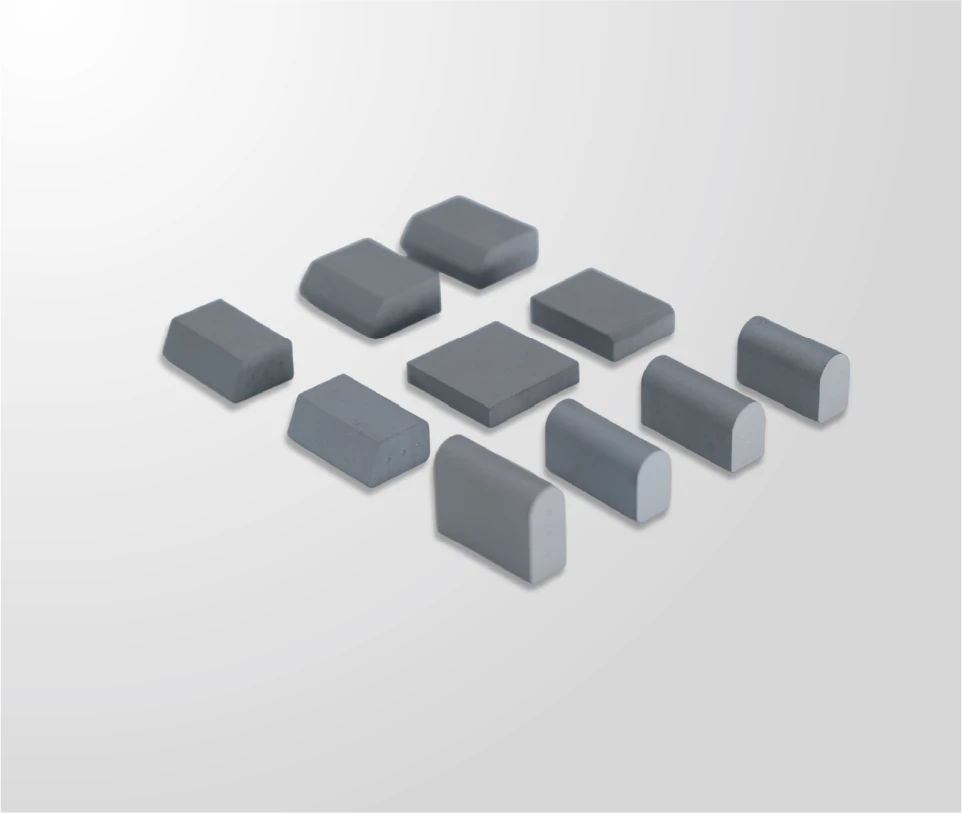
What the cover does in a two-part carbide edge setup
In a two-part carbide edge assembly, the cover and the carbide-bearing component should be treated as separate wear items. The drawing must show what each part supports or protects, how they fasten together, and which wear limit applies. A fleet should not assume that replacing the visible cover corrects insert loss, carrier damage, or a poor joint underneath.
For the cover-and-carbide setup, begin with the part, route, drawing, shift record, or receiving evidence already available. Record the definition, field evidence, and decision consequence for the cover-and-carbide setup before approving a different material, geometry, or process. This gives the next Fleet reviewer of the cover-and-carbide setup a traceable basis instead of a grade name or sales phrase. Keep any missing value in the cover-and-carbide setup record open until its source can be checked.
State the current condition and the decision the fleet must make about the cover-and-carbide setup. List evidence missing from the cover-and-carbide setup record before drawing a conclusion. This prevents a broad snow-plow rule from replacing the actual cover-and-carbide setup route, part, or purchasing question. Keep the result with the route or receiving record for the cover-and-carbide setup.
Cover wear vs carbide wear
Separate the observed condition from the proposed explanation when reviewing the cover-and-carbide setup. For the cover-and-carbide setup, photograph the part, identify the truck or machine, note the surface and operating context, and retain the fleet's normal units. Mark an unconfirmed cover-and-carbide setup value as “not supplied” and request the missing source. This matters because carbide and cover setup can require different evidence from the cover-and-carbide setup.
Read the complete edge before assigning a cause to the cover-and-carbide setup. A full-bar cover-and-carbide setup photograph shows whether the pattern is local or repeated; close-ups can then document fractures, polished wear, loose hardware, or a failed joint. Add route, surface, speed, blade setting, service exposure, and batch identity to the cover-and-carbide setup failure record. One isolated cover-and-carbide setup mark may justify a hold, while a repeated pattern under the same condition gives the diagnosis more weight. Link each photograph to the truck, part, or batch used for carbide cover snow plow blade.
When a cover blade protects the carbide edge
Compare options for the cover-and-carbide setup on a like-for-like basis. During the cover-and-carbide setup trial, hold geometry, route, operator practice, and inspection interval steady where practical, then change one variable. Set the removal or acceptance limit for the cover-and-carbide setup before service begins. If evidence for the cover-and-carbide setup remains incomplete, mark unavailable data as missing instead of replacing it with an assumption.
Do not change geometry, material, operator setting, route, and hardware at the same time when evaluating the cover-and-carbide setup. If several cover-and-carbide setup variables change together, label the result as a combined change. The fleet may use that cover-and-carbide setup result operationally, but it should not attribute the outcome to one supplier feature. Name the person who approves the next action on the cover-and-carbide setup.
| Decision field | Evidence to record | Action if evidence is missing |
|---|---|---|
| Duty and equipment | Route, surface, machine, edge position, and operating role | Keep the proposal conditional until the duty is identified |
| Current condition | Full-part photos, close-ups, dimensions, wear or failure pattern | Request a sample or a measured drawing |
| Proposed change | Named material or process, geometry, hardware, and inspection basis | Do not accept “equivalent” without a checkable basis |
| Acceptance limit | Pass, hold, removal, or review condition set before service | Run a controlled trial before fleet-wide use |
When a cover blade hides carbide edge problems
Create an operating record for the cover-and-carbide setup that names the owner, check time, supporting photograph or drawing, and action after a failed result. Use the same cover-and-carbide setup fields across shifts and suppliers so the evidence stays comparable. Keep material, fit, documentation, and duty visible when the cover-and-carbide setup price is reviewed. A quotation for the cover-and-carbide setup is not comparable if it omits a required control.
Tell the supplier what the fleet will provide for carbide cover snow plow blade and what must be returned. Useful cover-and-carbide setup outputs include a marked drawing, named material or process, inspection evidence, listed exceptions, and a quotation. Keep commercial terms specific to the actual cover-and-carbide setup product and order. Record the units and inspection date so the carbide cover snow plow blade result can be compared later.
How to specify the carbide edge and cover together
Define the scope of the cover-and-carbide setup before collecting more data. For the cover-and-carbide setup, list the machines, routes, batches, or operating periods inside the review and those outside it. Apply the same boundary when comparing options for the cover-and-carbide setup. Evidence from one paved route, new edge, or emergency shipment should not set the rule for unrelated cover-and-carbide setup duty.
Review the cover-and-carbide setup after a defined service exposure instead of waiting for complete failure. The cover-and-carbide setup review point may be a receiving sample, first route, storm interval, or seasonal checkpoint selected by the fleet. Record acceptable as well as unacceptable cover-and-carbide setup results so the next decision is not based only on the most dramatic damaged part. Quarantine any unidentified item until its relationship to the cover-and-carbide setup is confirmed.
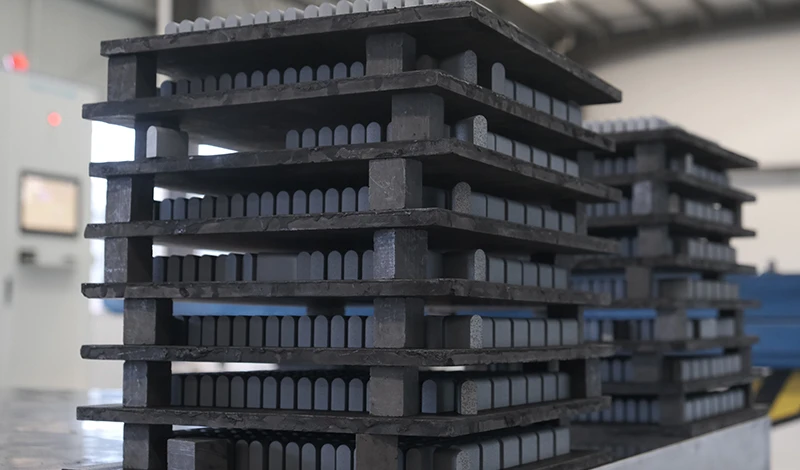
Inventory controls for paired carbide edges and cover blades
Assign ownership for the cover-and-carbide setup. For that cover-and-carbide setup decision, the operator records conditions, the shop confirms fit and hardware, purchasing retains the quotation and revision, and quality controls a hold or sample. Keep the cover-and-carbide setup responsibilities visible so missing evidence is not replaced by memory. A contemporaneous cover-and-carbide setup entry is more dependable than reconstructing events after the season.
Compare the cover-and-carbide setup with the fleet's purchase price, changeout labour, downtime, service exposure, repair or disposal treatment, and emergency freight. Keep the route population and accounting period consistent for the cover-and-carbide setup. A cheaper cover-and-carbide setup option can cost more when it adds changeouts. A durable option can still be wrong for the cover-and-carbide setup if it damages the surface or misses the required duty. Retain the drawing revision used to assess carbide cover snow plow blade.
Field evidence to collect before changing carbide cover snow plow blade
Use a before-and-after record for the cover-and-carbide setup. Capture the starting cover-and-carbide setup condition, one controlled change, service exposure, and the result at an agreed review point. Keep rejected cover-and-carbide setup parts and photographs under the same identifier. This approach will not promise one answer for every route, but it will show whether the cover-and-carbide setup action addressed the observed problem.
A useful quality record for the cover-and-carbide setup links the item to a drawing revision, purchase order, batch or carton mark, sample location, result, and disposition. Certification does not replace product inspection for carbide cover snow plow blade. For the cover-and-carbide setup, identify who controls nonconforming material and how rework is marked. The packed cover-and-carbide setup item should trace back to its production and inspection evidence. Compare the next result at the same service exposure used for the cover-and-carbide setup baseline.
How to compare carbide cover snow plow blade options one variable at a time
Close the cover-and-carbide setup review with a disposition: continue, adjust, hold, replace, trial, or request more evidence. Record why the cover-and-carbide setup evidence supports that decision and name the person who approves the next step. For Fleet, this converts the cover-and-carbide setup findings into an operating action. Without a disposition for the cover-and-carbide setup, the same uncertainty returns at the next storm, receiving check, or supplier comparison.
Keep revision control throughout the cover-and-carbide setup decision. Date the cover-and-carbide setup drawing or instruction, retain the version quoted, and note every approved deviation. At the next carbide cover snow plow blade order, compare the item with the accepted revision instead of relying on a part number alone. Material, insert, packing, or hardware sources can change behind the same cover-and-carbide setup description. Keep a rejected sample when photographs alone cannot explain the carbide cover snow plow blade condition.
FAQ
What should a fleet check first when reviewing carbide cover snow plow blade?
Begin the carbide cover snow plow blade review with the part or procedure now in use, the route and machine involved, and the result that prompted the question. Preserve the current carbide cover snow plow blade drawing, photographs, service condition, and removal or acceptance limit before making a change. That baseline helps the fleet avoid assigning a later carbide cover snow plow blade improvement or failure to the wrong variable.
Which records support a decision about cover wear vs carbide wear?
Keep the records that make cover wear vs carbide wear traceable for carbide cover snow plow blade: equipment and route identity, service exposure, a measured drawing or sample, full-part and close-up photographs, the observed condition, and any batch or packing marks. Mark unavailable carbide cover snow plow blade values plainly instead of filling the gaps by inference. The next reviewer can then separate the documented cover wear vs carbide wear facts from assumptions and proposed changes.
When should when a cover blade protects the carbide edge trigger a hold or change?
Place the carbide cover snow plow blade item on hold when when a cover blade protects the carbide edge reveals an unidentified part, missing acceptance evidence, a retention or fit concern, or damage that could worsen in service. Change the carbide cover snow plow blade specification only after checking geometry, hardware, operator practice, and duty. One damaged item can justify containment; a repeated when a cover blade protects the carbide edge pattern under controlled conditions gives stronger support for redesign.
What should an RFQ include for carbide cover snow plow blade?
A carbide cover snow plow blade RFQ should include the equipment and route duty, drawing or measured sample, current failure or operating evidence, required material or process, hardware and packing needs, acceptance checks, documentation, and quotation fields. Give the supplier measured carbide cover snow plow blade dimensions instead of asking it to infer them from a brand name. Keep the carbide cover snow plow blade price, MOQ, and timing specific to the product and quantity being quoted.
These are practical buyer questions for carbide cover snow plow blade, written from the specification and field issues covered above.
Related reading
Sources
- USGS Tungsten Statistics and Information
- USGS Mineral Commodity Summaries
- ASTM B294: Hardness Testing of Cemented Carbides
- ISO: Quality management
- FHWA Research and Technology
- TRID transportation research database
For a drawing-based carbide cover snow plow blade review or quotation, email [email protected] with the equipment, route, dimensions, photographs, and observed failure or operating concern. The order quantity and production timing for carbide cover snow plow blade should be confirmed in the resulting product-specific quotation.