Two trucks can leave the yard with the same aggressive packed-ice carbide kit and come back with opposite stories. Truck A floats the edge through light snow, drops to a controlled scrape only on known hardpack stretches, and keeps tip corners intact. Truck B runs full down-pressure from the first kilometre, chatters across bare patches, and needs a new kit while the corridor still looks glazed. The difference is rarely “more carbide.” It is hardpack plowing settings carbide operators actually use: float versus down-pressure, speed, when chemical assist starts, and which wear signs mean stop and reset.
This how-to is for supervisors writing operator cards and for buyers who already chose an aggressive kit and now need it to survive the season. Kit selection and trial criteria live on the companion page for packed ice carbide kit buyer criteria for hardpack routes. Here we stay on scrape settings—without inventing hydraulic PSI or torque tables that belong on your truck’s own gauges and OEM manuals.
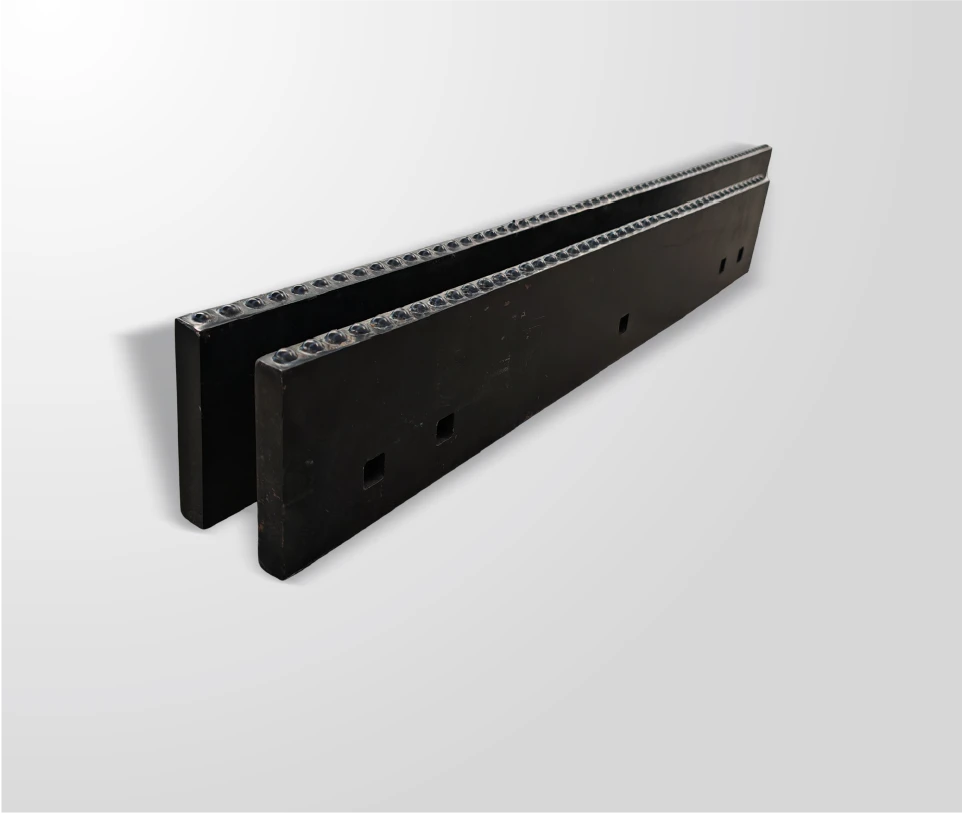
What the “rules” of hardpack scrape actually mean
Agency cutting-edge guidance and winter-operations research keep repeating the same operating logic, even when brands and truck hydraulics differ:
- Use only the pressure needed — extra down-force burns carbide and risks pavement gouging once the ice sheet breaks.
- Let the blade float when the pack is gone — bare or lightly dusted pavement does not need an aggressive bite.
- Slow down for bonded ice — hardpack and ice respond better to controlled speed and a sharper attack attitude than to highway snow-pushing pace.
- Chemicals break or prevent bond; the plow removes the material — scrape settings cannot replace anti-icing when the bond is beyond mechanical removal.
MnDOT’s recent cutting-edge selection brief states the speed contrast plainly: typical snow removal often runs near 30 mph with a flatter attack, while hardpack and ice work better around 15–20 mph with a sharper attack angle. Treat those figures as published field guidance to compare against your own corridor limits and truck manuals—not as a universal speed limit stamped on every route. FHWA’s older SHRP-era notes on advanced carbide cutting edges also emphasise effective ice and hardpack removal with less required downward force and better vehicle control when the edge geometry is doing the work.
Case contrast: same kit, two setting stacks
| Setting stack | Truck A (kit lasts) | Truck B (kit dies early) |
|---|---|---|
| Default mode | Float or light contact on loose snow | Full down-pressure from plow-down |
| Hardpack sections | Short, deliberate scrape passes; reset to float after | Continuous pressure across whole route |
| Speed on bonded ice | Reduced; operator listens for chatter | Same pace as soft snow |
| Bare patches / joints | Lift or float; avoid slamming tips | Tips hammer expansion joints |
| Chemical timing | Pre-treat or spot-treat when bond beats scrape | Expect carbide alone to clear glazed lanes |
| End-of-shift tips | Even wear, corners mostly intact | Chipped corners, polished skate faces |
If your fleet’s photos look like Truck B while the purchase order matches Truck A’s kit, fix settings before you change carbide grade again. Geometry cannot compensate for continuous overload.
Float versus packed ice down pressure—derive the choice from surface, not habit
Think in three surface states, then pick the lightest setting that still moves material:
- Loose or windrowed snow — float or minimal contact. Aggressive tips add little and wear for nothing.
- Packed snow that still shears — moderate contact; one or two passes beat one brutal pass.
- Bonded hardpack / ice — controlled down-pressure only while the sheet is present; return toward float the moment you hear clean pavement or see dry asphalt in the mirror.
How you read “moderate” on a given truck comes from that unit’s hydraulic gauges, plow valve detents, and the OEM’s published operating range. This article will not invent PSI numbers. What we can say from the wear side: if insert corners chip while the steel carrier still has height, pressure or impact is too high for that geometry; if tips polish smooth and the plow skates, you may need a sharper attack attitude, slower speed, chemical assist—or a more aggressive kit only after settings were already disciplined.
For how aggressive kits are built and where they fit versus standard edges, see the packed ice edge guide.
Speed, chatter, and aggressive carbide kit technique
Chatter is information. A rhythmic bounce on bonded ice often means the tips are skipping instead of cutting—speed too high, attack too flat, or pressure pulsing. Operator card language that works in training:
- On known hardpack blocks, drop speed into your agency’s ice-scrape band before adding pressure.
- If the moldboard starts hopping, ease pressure first, then speed; do not add pressure to “kill” chatter.
- Cross expansion joints, railroad approaches, and raised castings in float or lifted; aggressive tips hate sudden steps.
- Prefer two lighter passes over one pass that drags sparks on dry pavement after the ice sheet breaks.
Underbody scrapers and front plows load carbide differently. Front plows often rely more on plow weight; underbodies can apply more deliberate down-force—and therefore destroy an aggressive kit faster when left pinned down on bare lanes. Match the technique card to the plow type on that truck, not to a single shop slogan.

When to salt (or brine) instead of asking carbide for a miracle
Mechanical scrape and chemical assist are partners. Push carbide alone when:
- the pack is thick enough to fracture and peel without polishing the tip into a skate, and
- pavement temperature and bond strength still allow a clean shear under controlled pressure.
Call for chemical help when:
- the edge polishes and rides up on glaze despite slow speed and correct attack,
- black ice returns behind the plow within a pass or two,
- temperatures and refreeze cycles re-bond fines faster than you can scrape them.
FHWA road-weather material frames chemicals as tools that break or prevent the ice–pavement bond so plows can remove snow and ice efficiently—not as a replacement for plowing. Operator cards should say when to request pretreatment or spot treatment, not “carbide will finish what salt skipped.”
Wear signs that mean change the setting tonight
- Chipped insert corners after one hardpack shift — pressure, joints, or speed before you blame grade.
- Blue or scorched carrier paint near tips — sustained grinding on dry pavement after the pack broke.
- One-sided wear — moldboard angle, crowning, or a shoe/skid set wrong; fix attitude before ordering another kit.
- Polished, rounded tips that skate — settings or bond beyond the kit; add chemical strategy or revisit whether this corridor needs a different edge family.
- Loose bolts or elongated holes — chatter plus hardware; re-secure before the next ice run.
Photograph tips square-on at install and at each swap. Without photos, every early failure becomes a supplier argument instead of an operator-coaching file.
Operator card: hardpack scrape sequence
- Confirm kit type and plow (front vs underbody) on the pre-trip card.
- Leave the yard in float or light contact.
- On reported hardpack, reduce speed, set attack, then add only enough down-pressure to start a chip or peel.
- Listen: chatter rising → ease pressure; clean dry scrape sound on bare lane → return toward float.
- Lift or float for joints, bridges approaches, and known high spots.
- If glaze persists after two controlled passes, call chemical assist—do not pin the plow harder.
- End of shift: note tip condition and which corridor used continuous pressure.
Rigid highway insert bars and aggressive packed-ice kits are not interchangeable in this sequence. For standard carbide bar context, see the carbide snow plow blade product page; keep hardpack technique cards tied to the kit you actually bolted on.
FAQ
What hardpack plowing settings should we put on an operator card?
Default to float or light contact; reserve controlled down-pressure for bonded sections; slow into your agency’s ice-scrape speed band; ease pressure when chatter starts; float across joints; call chemical assist when the edge skates on glaze. Use your truck’s own gauges and OEM limits for numeric pressure—do not copy a PSI figure from a generic article.
Does more packed ice down pressure always clear ice faster?
No. Extra pressure after the sheet breaks mostly wears carbide and risks pavement damage. Research and agency cutting-edge briefs favour only the force needed, slower hardpack speeds, and chemical help when bond strength beats mechanical scrape.
How is this different from the packed-ice buyer criteria article?
Buyer criteria covers whether to buy an aggressive kit, how to trial it, and what to put in an RFQ. This page assumes the kit is already on the truck and focuses on operator settings that keep that kit alive on hardpack routes.
When should we stop scraping and salt instead?
When polished tips skate on glaze despite slow speed and correct attack, or when ice re-bonds behind the plow within a pass. Chemicals address bond; the plow removes loosened material. Pinning the edge harder is the wrong next step.
Buyer FAQ labeled; no People Also Ask results were captured for this keyword in our search research.
If you are standardising aggressive kits and want a second set of eyes on fitment photos or route notes before the next buy, send plow make/model, edge length and bolt pattern, and a short description of which corridors stay glazed to [email protected]. Attach tip photos from trucks that are lasting versus trucks that are not when you can. Replies are usually within one working day in English or Chinese. Lead time and order quantity for the relevant product family are confirmed with the quotation—not listed here as a fixed production week count.
Related reading
- Packed ice edge guide
- Packed ice carbide kit buyer criteria for hardpack routes
- Packed ice carbide kit (product)
- Carbide snow plow blade (product)
- More on blade selection and specification
Sources
- MnDOT Research: Smart Selection of Cutting Edges (2025 RIC)
- FHWA: How Does the Advanced Snowplow Cutting Edge Work?
- FHWA Tech Brief FHWA-SA-96-045 (CS041): advanced snowplow cutting edge
- FHWA Road Weather Management: Snow and Ice
- Clear Roads 17-02: Standard Specifications for Plow Blades with Carbide Inserts
- Clear Roads 18-02: High Performance Blade Evaluation
- NCHRP 06-19 related final report materials on plows and ice removal (TRB)