Two insert batches can share the same catalog name and still chatter differently on chip seal because grade toughness, tip size, and spacing were never locked on the drawing. The field complaint sounds like “bad carbide”; the root is often an underspecified PO.
Decide insert versus full carbide carrier first, then lock grade for impact versus abrasion, size for bite, and spacing for chatter control. Replace inserts only when the carrier and braze seats remain sound; otherwise replace the edge. Write geometry into tenders so vendors cannot silently substitute. This article complements, not copies, the existing grade/size/spacing page by focusing on decision trees, tender language, and import inspection.
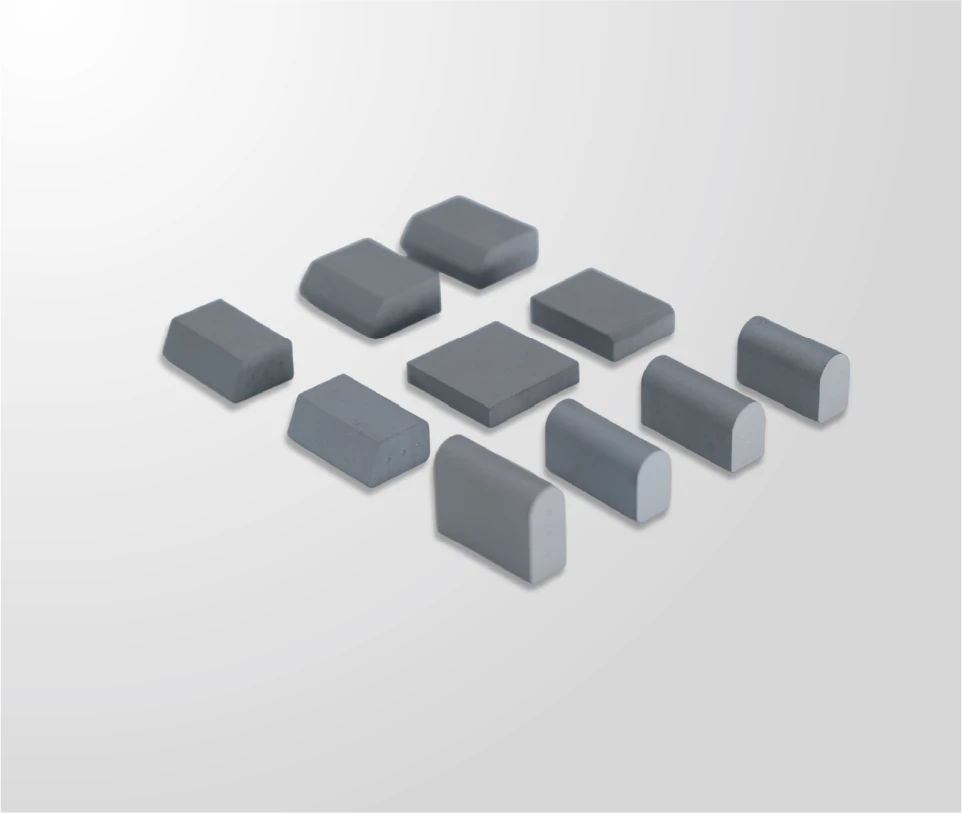
Insert vs full carbide carrier
Inserts are brazed wear tips in a steel body.
Carbide inserts for snow plow edges are tungsten carbide slugs in a steel carrier; life gains depend on grade, spacing, and seat condition—not slogans.
Marketing often cites large life multiples versus steel. Treat multiples as directional until your routes measure them. Spacing and chatter, toughness versus hardness on gravel, and whether to replace inserts or the whole edge belong in the RFQ. Import inspection should check braze seats and batch marks on arrival.
AIO text rarely tells buyers to reject silent grade changes between trial and production lots—lock the drawing revision.
Replaceable inserts suit shops that rebuild carriers and keep braze or mechanical retention skills. Full carbide carrier edges suit fleets that want bay-speed changeouts without insert-level rework. Mixed depots often run both: highway trucks on carriers, specialty rebuilds on inserts. Product family entry: carbide inserts.
For selection mechanics already published, keep carbide insert selection and replacement guide open beside this decision article. Older spacing notes live at carbide inserts grade size spacing; use that page for geometry tables and this page for procurement choices.
Grade toughness vs hardness for gravel
Harder grades resist abrasive asphalt polish; tougher grades survive gravel, frost heaves, and curb kisses with fewer chips. Buying the hardest available grade for every route is a common tender mistake. Match grade family to the worst credible surface on that truck’s assigned routes, not to a marketing hardness number alone.
| Duty cue | Grade bias | Buyer check |
|---|---|---|
| Clean asphalt, abrasive grit | Harder wear bias | Ask for abrasion-oriented grade callout on drawing |
| Gravel / frost heave / urban lids | Tougher impact bias | Require chipping photo criteria in trial |
| Mixed unknown routes | Balanced mid grade | Pilot two grades on matched trucks |
| Airport FOD sensitivity | Conservative toughness + inspection | Fracture logging before season buy |
Size and spacing effects on chatter
Larger tips and tighter spacing increase continuous bite but raise cost and can transmit more vibration into the moldboard if the truck is light. Wider spacing saves insert count but leaves steel bridges that wear into scallops. Chatter complaints after a “same as last year” order often trace to silent spacing changes between revisions.
Replace inserts or whole edge decision tree
- Carrier cracked, holes elongated, or seats eroded → replace whole edge.
- Inserts uniformly rounded, carrier straight, seats intact → insert rebuild may be economic.
- Scattered impact chips with sound seats → fix technique/angle first; then grade.
- Unknown braze quality on a used import bar → prefer full new edge over guessing.
Tender language for insert geometry
Write insert length/width/height, spacing, grade family, retention method, and revision date. Ban PO lines that only say “carbide inserts.” Require batch marks on cartons and photos of first-article tips. Public process claims such as in-house sintering and ISO 9001 / ISO 14001 certified processes appear on SENTHAI pages per company website, ask for certificates in the bid file rather than inventing numbers in the specification text.
Field wear reading for spacing changes
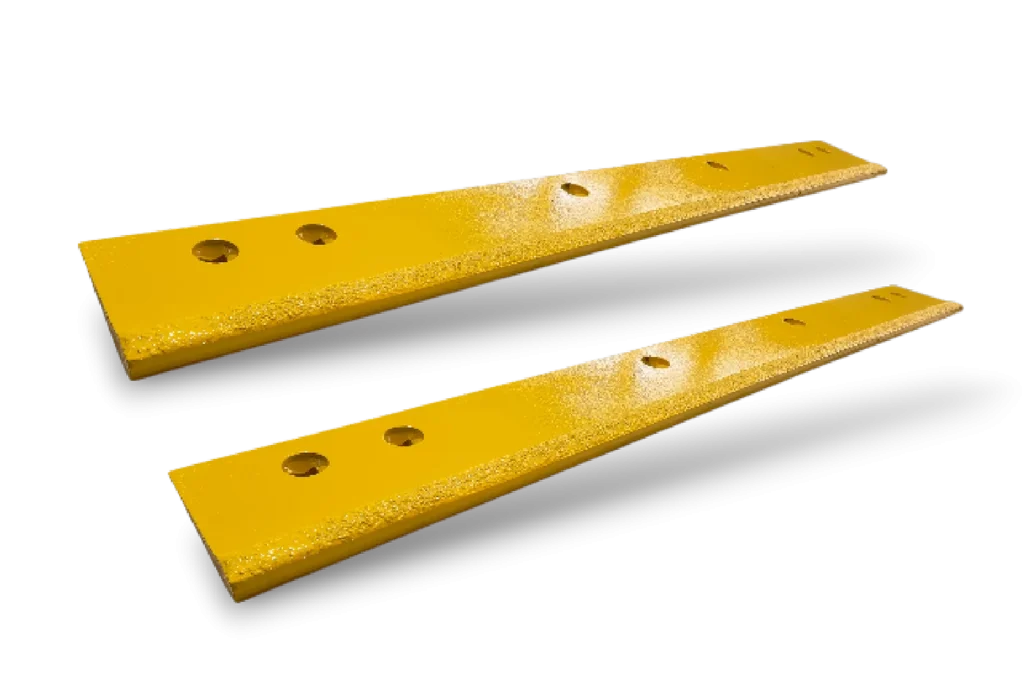
Uniform rounding across tips supports keeping spacing. Deep scallops between tips suggest bridges are doing too much work, tighten spacing or enlarge tips on the next revision. One-sided wear implicates attack angle or moldboard twist before you blame grade. Photo standards belong in the depot SOP, not only in the vendor claim email.
Import inspection of insert batches
On receipt: count tips against packing list, check for transit chips, verify marks against PO revision, and pull a small sample for dimensional spot checks. Hold the container photos with the batch ID. Tungsten market context for price discussions: USGS tungsten statistics.
Cost per metre framing
Price per tip is incomplete. Frame cost per lane metre including changeout labour and scrap carriers. A cheaper soft grade that chips into FOD or bay overtime is not cheaper. Ops pressure framing: FHWA Road Weather Management.
Insert spacing decisions and seat condition checks
Grade and size decisions only stick when the carrier seat is square and clean. Measure remaining pocket depth, look for peened shoulders, and reject seats that rock the insert. Spacing denser than the drawing intends does not automatically raise life if the outer inserts take curb hits first.
Field boundary: packed ice and chip seal favour denser wear faces; soft gravel and high-impact curb routes may need a tougher grade or a different edge family rather than simply more inserts. Record grade, size, and centre spacing on the PO so private-label or wholesale repeats stay consistent.
Ask the plant for batch marks that tie inserts to a sinter or braze lot when traceability matters for municipal packets. Do not invent certificate numbers; request ISO evidence separately if your bid requires it, per company website claims that still need certificate verification.
FAQ
What is the difference between insert rebuilds and full carbide edges?
Insert rebuilds replace tips on a sound carrier; full edges replace the carrier assembly. Choose rebuilds when seats and holes remain true; choose full edges when the bar is bent, cracked, or elongated at bolts.
How should tenders specify insert spacing?
State centre-to-centre or gap dimensions, tip size, and revision date. Prohibit vague lines such as “carbide inserts as previously supplied” without a controlled drawing.
Does harder carbide always last longer?
Not on impact-heavy routes. Harder grades can chip on gravel and lids while tougher grades trade some abrasion life for survival. Match grade to the worst credible surface.
What should import inspectors check first?
Packing marks versus PO revision, tip count, visible transit damage, and a dimensional sample. Keep container photos with the batch ID for claims.
Request Specs or a Quote
To get specs checked or a price, mail [email protected] with photos of the worn edge or the plow make and model, plus length, thickness, bolt pattern and route surface notes. English and Chinese replies are usually sent within one working day. Lead time and minimum order are quoted per product family, so no general production schedule appears on this page.
Related Articles
- Carbide inserts product page
- Insert selection and replacement guide
- Existing grade size spacing article
- Carbide snow plow blade