When council doubles the winter envelope, the temptation is to buy “more of everything” and split carbide bars evenly across the depot. That feels fair in the garage and fails on the first abrasive arterial that still strands a truck at 02:00 while quiet cul-de-sacs carry edges they barely wear.
A city snow plow budget jump should buy fewer mid-storm changeouts on the routes that punish edges—not identical carts for every truck. Rank corridors by abrasion and curb risk, put carbide where downtime costs the most, and only then fill secondary loops. Pair the product view of a carbide snow plow blade with the fleet downtime anatomy in the cost of downtime in a plow fleet before you rewrite the purchase request.
This guide is for municipal buyers and contractor partners who just received a larger winter line and need a route-first edge plan. Use it with the wider snow plow cutting-edge category when you shortlist SKUs.
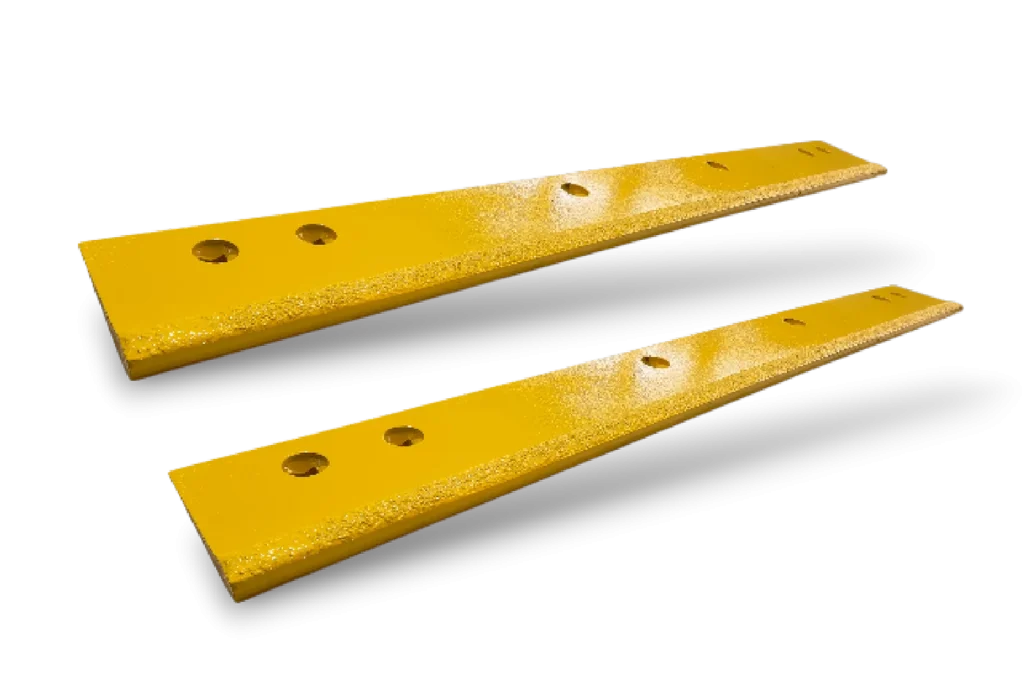
What a city snow plow budget jump should fund first
A city snow plow budget jump should fund carbide coverage and matching spares on abrasive, curb-dense, or overnight-critical corridors before it funds equal upgrades on every residential loop. The measurable win is fewer mid-storm changeouts and fewer trucks idle while crews hunt for the right bar—not a higher average blade count per truck.
New loaders, blowers, and contractor hours often dominate the headline number. Cutting edges are a smaller line that still decides whether those expensive assets stay productive. Treat edges as a reliability purchase tied to route class, not as a proportional share of the total winter increase.
Budget headlines from Buffalo and Montreal (context only)
Public announcements help explain why procurement calendars feel sudden—they are not templates for your SKU list. On 22 October 2026, Buffalo’s mayor outlined a 2026–27 winter plan that raised outsourced snow-removal funding from about $580,000 to $2.7 million and added loaders, dump trucks, and snow-blower tractors, per Buffalo Toronto Public Media. Montreal separately announced a CAD $15.8 million winter road-maintenance package on 15 October 2026, including CAD $13.3 million for 43 pieces of equipment, as reported by CBC News.
Those figures describe city-level envelopes and machine counts. They do not tell you how many carbide bars a mid-size depot needs, nor do they justify inventing MOQs or lead times on a blog page. Steal the planning cue—more machines and more contractor hours raise edge demand—and keep your own wear photos and bolt patterns as the sizing authority.
Why “average per truck” buying fails after a jump
Equal dollars per truck assume equal duty. They do not. Chip-seal arterials, curb-lined downtown grids, and industrial yards chew inserts differently from low-speed residential loops. Averaging also hides bolt-pattern fragmentation: five “almost compatible” lengths in the rack still leave a night crew without a drop-in spare.
Procurement that starts from fairness ends with the wrong spares on the wrong hooks. Start from route risk, then map trucks, then map SKUs. Duty language for that ranking lives in the snow plow blade selection guide; use it when two supervisors argue for the same carbide allotment.
Assign carbide by route class, not garage politics
Walk the map with operations, not only with purchasing:
- Mark corridors that already force early steel pulls or tip loss.
- Mark curb-dense or catch-basin-heavy segments where impact matters.
- Mark overnight priority routes where a stranded truck misses the service window.
- Leave secondary loops on the edge type your photos still support until primary corridors are stable.
Carbide earns its keep where abrasion and changeout pain coincide. Soft or secondary routes can wait for a controlled trial once the high-duty rack is stocked. If your team needs a cost-per-distance sanity check before the vote, use the carbide vs steel cost-per-lane-kilometre worksheet rather than hallway unit-price comparisons.
| Route class | Lean carbide now? | Spare logic | Watch-out |
|---|---|---|---|
| Abrasive arterial / chip seal | Yes | Full-season bars + storm spare of same pattern | Do not substitute a “close” length at night |
| Curb-dense downtown | Yes if impact grade proven | Photo every early pull; keep matched spare | Tip chips ≠ understock of steel |
| Industrial yards / docks | Often | Pattern-specific; label by truck | Mixed bolt patterns explode rack SKUs |
| Quiet residential loops | Optional / later | Smaller buffer until wear data says otherwise | Equal carbide here starves arterials |
Put changeout downtime on the same sheet as the blade price
Unit price alone understates a budget jump decision. A cheaper bar that forces two extra bay visits in a storm week can erase the “savings” before finance finishes the variance report. The fix is not a new homemade formula in the blog—it is wiring your existing downtime hourly figure into the purchase sheet.
Direct standing labour, missed lane coverage, and any service credits already have a structure in the cost of downtime in a plow fleet. Pull that hourly number (or rebuild it once from bay logs), estimate changeouts by route class from last season’s photos, and show leadership the avoided-hours column next to the carbide line. If you cannot estimate hours, you are not ready to claim ROI—you are ready to start logging.
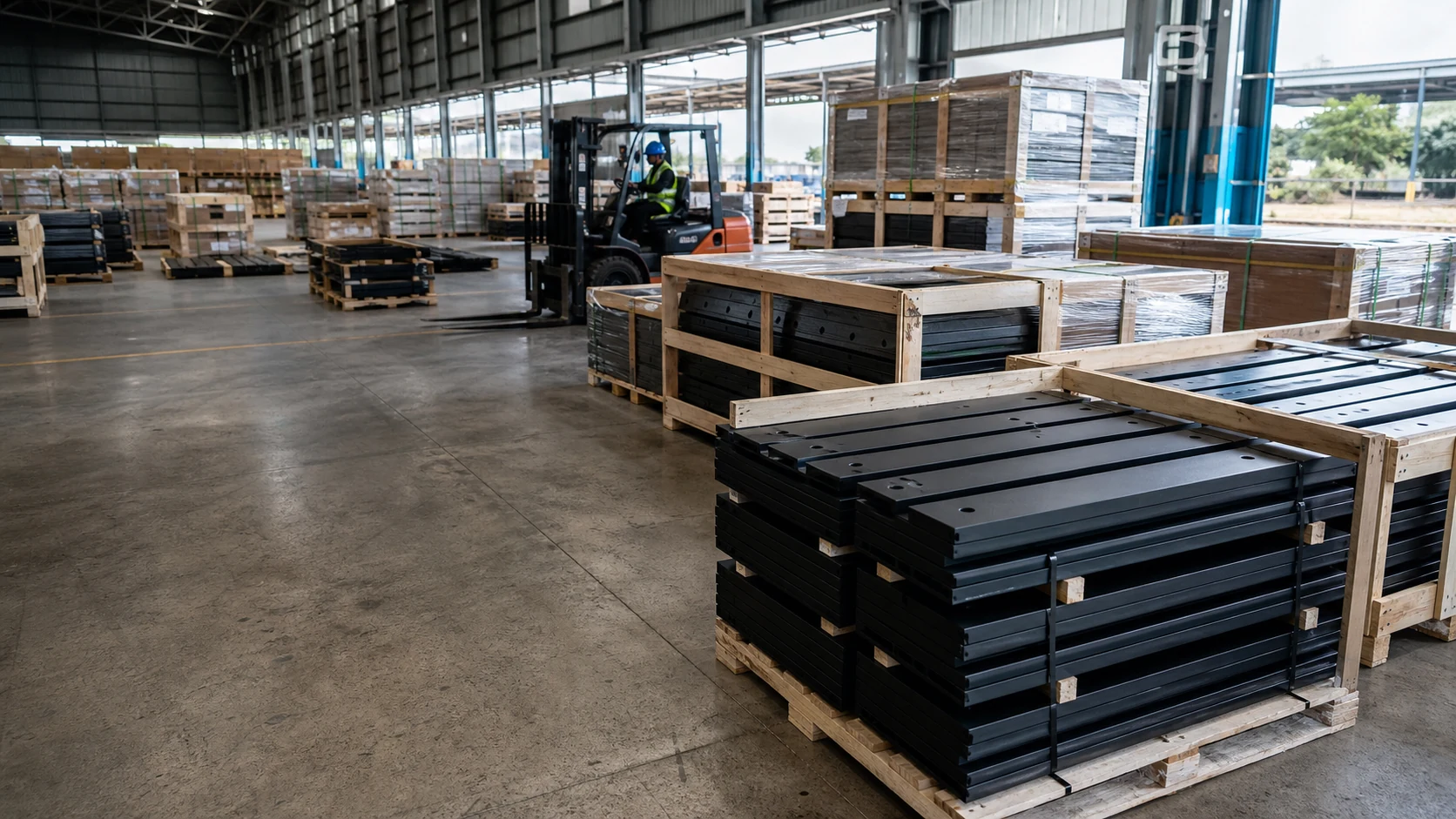
Build a spare-parts matrix that matches the route map
A budget jump without a matrix creates orphan bars. Columns that matter:
- Length, thickness, and bolt pattern (as measured, not as remembered)
- Insert layout family / edge type
- Route class the SKU is authorised for
- Trucks that can accept the bar without adapters
- Minimum on-hand count before peak storm weeks
- Owner of photo logging when a bar is pulled early
Colour-code interchangeable vs truck-specific rows. Night crews should read the rack like a parts board, not a puzzle. Storm timing pressure that makes wrong-SKU grabs costly is a reminder to stage the matrix before the first major event—season cues from FHWA road weather and National Weather Service forecasts help operations pick the freeze date for the matrix, not the metallurgy.
Municipal procurement checklist (link the spec, do not reinvent it)
When the envelope grows, auditors and bid protests follow. Put edge language into the same discipline you use for machines:
- Declare length, thickness, hole pattern, and insert retention process on the RFQ.
- Require batch marks and first-article photos for the primary carbide family.
- Forbid mid-contract material swaps without written approval.
- State that MOQ and production schedule are quotation-specific by product family.
- Score origin claims only if your policy needs them—and ask for documents, not slogans.
A ready outline for bid language sits in the municipal carbide cutting edge specification template. Copy structure from that page; fill dimensions from your trucks. Winter-ops research consortia such as Clear Roads and snow-and-ice program notes from FHWA snow and ice help frame performance outcomes without inventing blade prices.
| Budget move | Good signal | Weak signal |
|---|---|---|
| Carbide on top abrasion corridors | Prior early steel pulls + photo log | “Everyone gets one” fairness rule |
| Spare depth for those corridors | Same bolt pattern as in-service bars | Mixed leftovers labelled “close enough” |
| Downtime column on the PR | Hours from bay log × route class | Unit price only |
| Residential upgrades | After primary corridors are stable | First spend because routes are numerous |
How to score routes before the purchase order
Keep the scorecard short enough that supervisors will fill it:
- Abrasion rank (1–5) from pavement type and prior wear photos.
- Impact rank (1–5) from curb, joint, and fixture density.
- Service-window rank (1–5) from overnight priority and contractor penalties if any.
- Pattern risk (count of unique bolt patterns on trucks covering the corridor).
Multiply or weight the first three; use pattern risk as a tie-breaker that pushes standardisation. Publish the scored list with the PR so a mid-season “emergency buy” cannot quietly undo the ranking. If two corridors tie, fund the one whose changeout currently lands inside the peak storm window.
What not to invent when the envelope grows
Public budget stories invite copy-paste numbers. Resist:
- Do not invent MOQ counts or blanket production weeks—confirm on each quotation.
- Do not paste another city’s machine tally as your edge requirement.
- Do not claim OEM brand authorisation for aftermarket bars; use measure-before-order fitment language.
- Do not treat homepage scale claims as audited guarantees; SENTHAI’s US-invested Rayong manufacturing story and non-China tungsten sourcing remain “per company website” unless your vendor file holds the evidence pack.
Buyers who need plant context can read company pages separately; this article stays on budget allocation and downtime wiring.
FAQ
What should a city snow plow budget jump buy first for cutting edges?
Fund abrasive and curb-heavy corridors first with proven carbide cutting edges, then stage spares that match those bolt patterns. Treat new trucks and nicer steel bars on quiet residential loops as secondary until high-duty routes stop forcing mid-storm changeouts.
Does a bigger city snow plow budget mean every truck gets the same carbide edge?
No. Equal spend per truck ignores abrasion, curb density, and overnight recovery windows. Rank routes, assign carbide where changeouts hurt most, and keep lighter-duty segments on the edge type your wear photos already support.
How do we put plow blade changeout downtime into the budget?
Reuse your fleet’s existing downtime hourly figure—labour standing, missed lane coverage, and any service credits—then multiply by expected mid-season changeouts per route class. Do not invent a second formula; link the bay log to the purchase sheet.
What belongs on a municipal carbide edge spare-parts matrix?
List length, thickness, bolt pattern, insert layout family, and which route class each SKU covers, plus a minimum on-hand count tied to storm frequency. Mark which bars are interchangeable across trucks and which are truck-specific so night crews do not guess.
FAQ uses realistic municipal buyer questions for this budget / route-assignment topic (no DataForSEO PAA capture in this planning round; labeled as buyer questions).
Request a Route-Ranked Quote
If your city just raised winter funding and you need a route-ranked carbide edge list, email [email protected] with corridor classes (arterial, residential, industrial), current edge lengths and bolt patterns on the trucks that cover them, and whether downtime hours are already tracked in the bay. English or Chinese replies usually arrive within one working day. MOQ and lead time stay quotation-specific by product family; this page does not publish a blanket production week count.
Related Articles
- The cost of downtime in a plow fleet
- Municipal carbide cutting edge specification template
- Carbide vs steel cost-per-lane-kilometre worksheet
- Snow plow blade selection guide
- Carbide snow plow blade
- Snow plow cutting edges