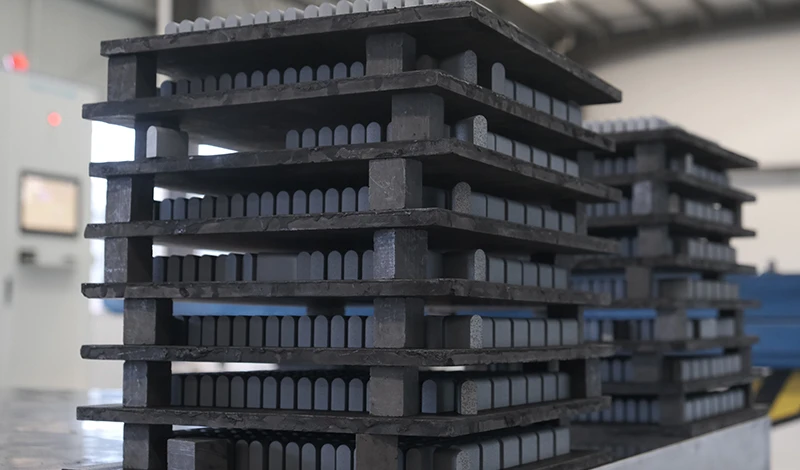
For micro-grain vs standard grain carbide inserts: choosing by wear mechanism, the best result comes from matching the component, material, and setup to a documented operating condition, then validating fit, wear, safety, and cost in a controlled trial. This updated guide uses current search evidence and official-source checks to turn the topic into a repeatable selection process.
Updated: October 19, 2026
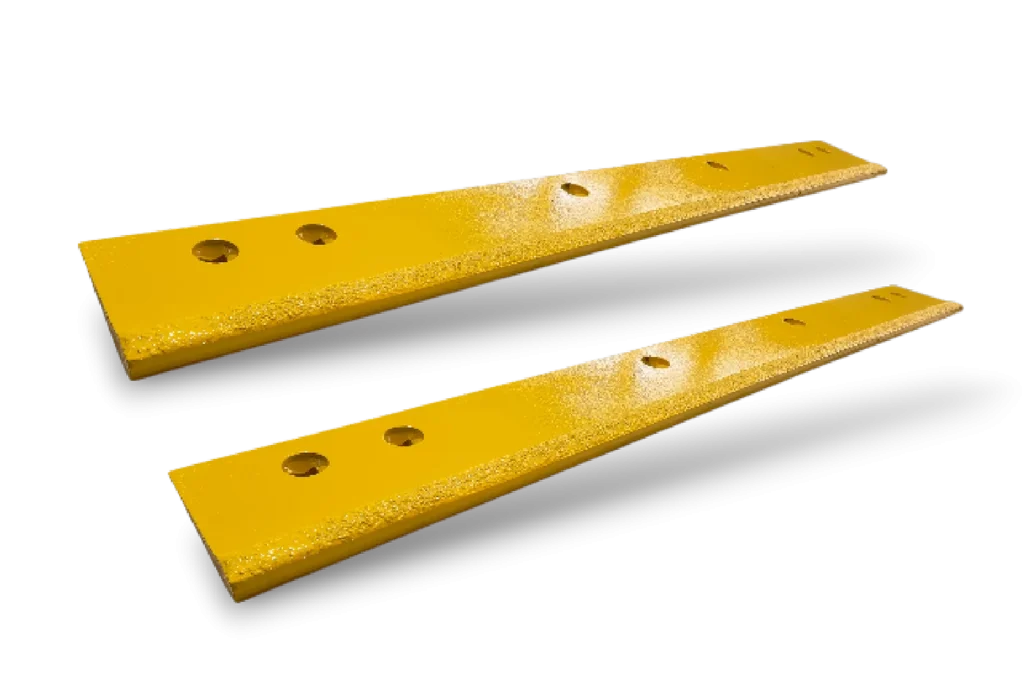
The harder insert is not automatically the one that lasts longer, and on a plow edge the gap between the two behaviours is wide enough to matter. Grain size changes how a grade fails, not only how fast it wears, so the choice between micro-grain and standard grain is really a choice between two wear mechanisms.
This comparison sets out how grain size is measured, what it does to hardness and transverse rupture strength, which of the two mechanisms each grade survives better, and where the premium a finer grain carries is or is not repaid. It closes with the documentation to request and a decision matrix that can be taken straight to a specification.
What grain size actually changes
Two inserts can carry the same grade designation and behave differently on the same route, because grain size is a separate variable from hardness and it is rarely printed on the box.
Cemented carbide is tungsten carbide grains held together by a metal binder, usually cobalt. The grains are the hard phase and the binder is the tough one, and the material’s behaviour comes from how those two are arranged. Making the grains finer and reducing the amount of binder produces a harder material. Making the grains coarser and adding binder produces a tougher one. Grain size is the lever that moves the hardness without moving the binder as far.
That matters because the two failure modes a plow edge produces are not interchangeable. Abrasive wear removes material slowly and predictably; impact produces a crack that either stops inside the insert or takes the corner off. A grade change that reduces abrasive wear but shortens the time to chipping has not made the edge better, it has moved the failure to a place where it is harder to schedule.
Micro-grain carbide inserts: how grain size is measured
Grain size is measured in micrometres, not in grades.
The measurement is metallographic: a polished, etched section of the sintered material is compared against reference micrographs or measured directly. That is the method published standards use to classify hardmetals, which is why a grain-size claim can be checked rather than taken on trust.
Micro-grain material sits at the fine end of that scale, and the practical question for a buyer is not the number itself but whether the supplier reports it with the method behind it.
Two further values travel with grain size and are worth asking for at the same time. Binder content sets how much tough phase is available, and it moves the same trade-off from the other side. Sintering practice decides whether the fine grains stay fine, because a fine powder that is over-sintered grows back into a coarser structure during production. Reporting grain size without the process that produced it describes an intention rather than a delivered property.
Hardness and transverse rupture strength
Hardness and transverse rupture strength are the two numbers that describe where a grade sits, and they are read together rather than separately. Hardness is reported on the HRA scale for cemented carbides, and transverse rupture strength measures how much bending load a specimen carries before it breaks.
The relationship between them is the whole argument for micro-grain material. In a coarse-grained grade, raising hardness means reducing binder, and toughness falls away quickly. In a fine-grained grade, the hardness can be raised by refining the grain while keeping enough binder, so the strength loss is smaller. Fracture starts at flaws, and finer grains mean smaller flaws, which is why a fine structure can be both harder and comparatively tough.
Test methods for transverse rupture strength of cemented carbides are published by ASTM International, and the classification and designation conventions for hardmetals by ISO. A supplier quoting a strength figure without naming the standard it was measured to has given a number rather than a specification.
Abrasion wear versus impact cracking
The two wear mechanisms leave different evidence, and the evidence is what should drive the grade choice rather than an assumption about the route.
| Mechanism | Evidence on the returned insert | Which way grain size moves |
|---|---|---|
| Abrasion | Insert shortened and polished, faces smooth, wear even along the edge | Finer grain with enough binder raises wear resistance |
| Impact | Chipped corners, cracks running back from the tip, inserts missing | Coarser grain or more binder buys toughness |
| Thermal | Cracks across the insert rather than along the edge line | Neither grain size solves it; the duty or the fitment has to change |
| Mixed | Worn inserts beside chipped ones in the same row | Splitting the specification along the edge beats one compromise grade |
The last row is the one that most often decides a fleet’s answer. Where one edge produces both signatures, the single-grade compromise satisfies neither end, and specifying the sections separately recovers more life than moving the whole edge up or down the scale.
Where micro-grain earns its premium
A finer grain pays where the edge is genuinely being abraded and where the service interval is long enough for a wear-rate difference to accumulate into a scheduling difference. That combination is common on chip-sealed and gravel-surfaced routes, where the insert is in continuous contact with sharp aggregate and impact events are relatively rare.
The second condition where it pays is less obvious: close insert spacing. Where inserts sit close together, each one carries less load and the contact is more continuous, which is exactly the condition a finer, harder grade handles well. Where spacing is wide and individual inserts take heavier concentrated loads, the extra hardness is spent resisting a load it was not chosen for. The spacing decision and the grade decision are therefore not independent, and the wider specification is set out on the grade, size and spacing page.
Where standard grain is enough
Standard grain remains the better answer on a large share of edges, and specifying micro-grain everywhere is a common way to spend money without changing an outcome. Three conditions favour the coarser grade.
The first is impact-dominated work: routes with rail crossings, raised manhole frames, bridge joints or repeated transitions between pavement and unsealed surface. Here the mechanism removing the insert is cracking, and the harder grade is the more fragile one. The second is short service intervals, where the edge is serviced often enough that a wear-rate difference never accumulates into a change in how many times the blade comes off the machine.
The third is mixed fleets where the same edge pattern is used across several machines and route types. Standardising on one grade that survives the worst of those routes is often cheaper overall than running a grade optimised for the average one, because a spares list that covers every machine is worth more than a marginal wear gain on some of them.
Reading the wear mechanism from returned inserts
The choice between the two grades should be made from returned inserts rather than from a description of the route, and the reading takes a few minutes per edge. Start with the shape of the wear: an insert that is shorter but otherwise intact has been abraded; an insert missing a corner or carrying a crack back from the tip has been overloaded.
Then check where in the row the damage sits. Damage concentrated at the ends of the edge points to the shoulder of the road, to driveway entrances or to the transitions at either end of the plow’s working width. Damage spread evenly along the row points to the surface itself. Those two readings lead to different decisions: the first is a fitment or geometry question, the second is a grade question.
Finally, keep a sample. Two or three inserts kept from each season, bagged with the route and the date, turn the next specification decision into a comparison rather than a recollection. Material data published by carbide producers such as Plansee and Hyperion Materials & Technologies is useful for reading the property data behind a grade claim once the mechanism is known.
Supplier documentation to request
A grain-size claim is only useful if it arrives with the four items that let a buyer compare it against another supplier’s. Ask for the grade designation and what it covers, the grain size class with the measurement method, the binder content, and the hardness and strength values with the standards they were measured to. Where a supplier quotes only a designation and a hardness figure, the comparison has nothing to stand on.
Two further items belong with a delivered lot. The batch reference ties the inserts to their production record, which is what makes a later claim possible, and the dimensional record confirms the inserts fit the pattern they were ordered for. Documentation practice for this kind of assembly work is maintained by ASME, and the SENTHAI approach is described on the quality control page.
Comparing the two grades on the same route
The comparison a fleet can actually run is a split test rather than a model. Fit one grade to part of the fleet for a season, the other to the rest, record the wear measurement at the end of the season on both, and record how many service events each group needed. Two numbers come out of that: material removed and interventions required.
The discipline that makes the test valid is holding everything else constant. Same route mix, same drivers, same rotation practice and the same inspection method at the end. Where those cannot be held constant, the result is a preference rather than evidence. A fleet that runs the test properly once usually finds the answer more lopsided than expected in one direction or the other, which is itself the useful result: it stops the question being reopened every season.
Decision matrix by application
The matrix below maps the duty to the grade direction. It assumes the retention method and insert geometry are already fixed, because those decisions change the load path before grain size matters.
| Duty | Dominant mechanism | Grade direction |
|---|---|---|
| Chip seal and gravel, few impacts | Abrasion | Fine grain raises wear resistance |
| Highway plowing with rail crossings | Impact | Coarser grain or higher binder for toughness |
| Urban routes with manhole frames | Mixed, localised impact | Tough grade at the ends, finer grade in the middle |
| Ice and hardpack work | Crushing at concentrated contact | Geometry first, then a tough grade to survive the impacts |
| Yard and ramp work at low speed | Abrasion at low energy | Fine grain is affordable and durable here |
SENTHAI manufactures tungsten carbide inserts and plow edges in Rayong, Thailand, with the grade confirmed against the wear mechanism recorded from the route rather than against a designation alone. Edges that need the specification built from returned samples can be discussed through the contact page, and the standard insert range is described on the carbide inserts page.
Specify the Material and Acceptance Evidence Before Comparing Grades
This research-backed framework closes a recurring gap in pages ranking for micro grain carbide: readers need a decision method, not a list of unsupported superlatives. Apply the same evidence fields to every option before choosing micro-grain vs standard grain carbide inserts: choosing by wear mechanism.
| Decision gate | Evidence to collect | Release rule |
|---|---|---|
| Grade identity | Supplier grade, WC grain range, binder system, and lot number | Treat cross-reference charts as a shortlist, never automatic equivalence |
| Properties | Declared hardness, density, transverse-rupture or toughness evidence | Balance wear resistance against impact risk for the actual duty |
| Interface | Insert geometry, pocket fit, surface preparation, braze alloy, and gap control | A strong grade cannot compensate for poor fit or joining |
| Acceptance | Drawing, certificate, sampling plan, visual criteria, and destructive test where agreed | Approve the process and lot evidence, not only a sample photograph |
Hardness is only one screening value. Grade selection must also account for impact, thermal cycling, corrosion exposure, support geometry, joining quality, and the cost of an insert-loss failure.
Run a Controlled Trial Before Full-Fleet Adoption
-
Freeze the baseline: record the current component, carrier settings, route, weather, operator, hours, and reason for removal.
-
Approve fit first: compare the supplier drawing with the machine and attachment. Do not drill, grind, weld, or substitute fasteners without an approved procedure.
-
Change one major variable: keep route and operating method as consistent as practical so the result can be attributed to the component rather than a different setup.
-
Inspect at planned intervals: photograph the same locations, measure wear, check fastener torque and retention, and log impacts or abnormal vibration.
-
Release against written criteria: decide in advance what wear, removal quality, downtime, and cost per operating hour would justify expansion.
Official-Source and SERP Verification
The technical boundary was checked against Federal Highway Administration snow and ice guidance. That source is used for the operating or safety context; model-specific dimensions, settings, and limits must still come from the approved manual for the exact machine and component. The following leading pages were reviewed for search intent and missing decision details:
Frequently Asked Questions
What should be verified before selecting micro-grain vs standard grain carbide inserts: choosing by wear mechanism?
Confirm the exact application, dimensions, carrier limits, operating surface, expected impacts, supplier drawing, and acceptance evidence. A product name or grade label alone is not enough.
How should micro-grain vs standard grain carbide inserts: choosing by wear mechanism be compared on cost?
Compare landed and installed cost, service hours, maintenance labor, downtime, collateral wear, and replacement reason. Use cost per operating hour for comparable routes rather than purchase price alone.
When is a trial required?
Use a controlled trial whenever fit, material, setup, route conditions, or supplier process changes. Define the baseline and pass criteria before the trial starts.
Which document controls installation and operating limits?
The current manual, approved drawing, and written instructions for the exact carrier and component control. General articles and cross-reference tables are screening tools, not installation authority.
Request an Application Review
Send SENTHAI the carrier or machine model, drawing or dimensions, operating surface, route condition, current failure mode, expected quantity, and target service interval. The engineering team can then review a suitable product path without changing the evidence requirements described above.