 Abrasion Test Methods for Carbide: Questions to Ask When a Supplier Quotes One
A supplier quotes an abrasion-resistance test result for carbide inserts.
Read the guide
 ASTM B611 for Buyers: What a High-Stress Abrasion Test Measures and What It Does Not
Standard in brief: ASTM B611-21 is a test method for determining the high-stress abrasion resistance of hard materials.
Read the guide
 Is AR400 Plate a Good Cutting Edge? Hardness, Toughness and Welding Limits
Can you cut a strip of abrasion-resistant plate, such as the grade sold as AR400, and use it as a plow edge?
Read the guide
 Rubber at Low Temperature: What ASTM D2137 Covers and What to Ask a Maker
What tests address rubber at low temperature?
Read the guide
 Brinell vs Rockwell on Steel Edges: How to Read a Hardness Spec Line
The spec says "HRC" on one quote and "HBW" on another.
Read the guide
 Metric 8.8 vs 10.9 on Plow Edges: Strength, Hardness and Brittleness Trade-Offs
Should an edge be fitted with 8.8 or 10.9 bolts?
Read the guide
 Hard Does Not Mean Tough: Hardness vs Toughness Explained With Plow Examples
A spec sheet says "very hard" and a buyer reads it as "very strong".
Read the guide
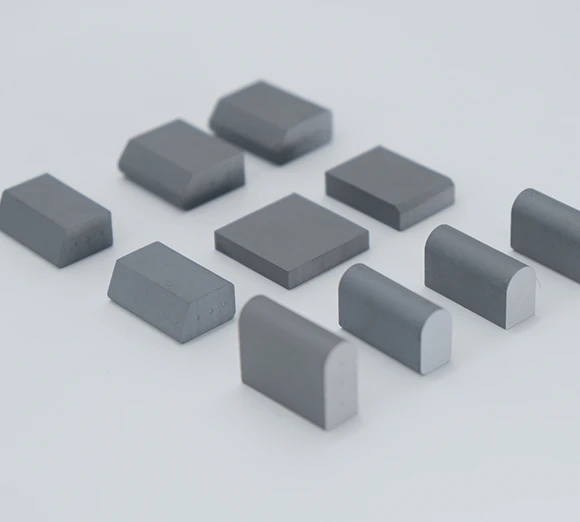 What should we ask when a supplier describes a carbide grade as extra tough?
Turn an extra-tough carbide claim into defined property evidence, with method, units and material identity, before judging suitability or wear life.
Read the guide
Can we use a carbide grade developed for machining as a snowplow insert grade?
Assess a machining carbide grade against the plow insert’s duty, geometry and joining requirements before approving its use in a different application.
Read the guide
What evidence helps when a carbide insert is straight before brazing but the assembly is not?
Compare insert and assembly geometry before and after brazing with matched measurement supports and traceable joining records for specialist review.
Read the guide