
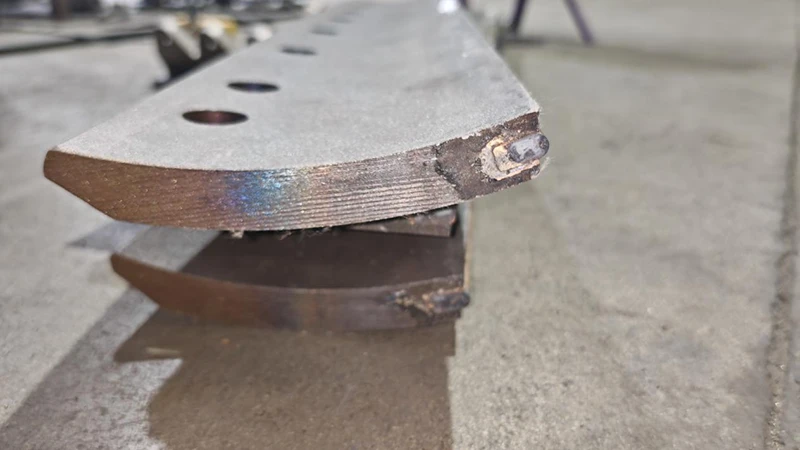
 1045 vs A36 Steel for Wear Equipment: Which Grade Belongs Where
1045 vs A36 steel: carbon content, yield and tensile figures, weldability and hardenability compared, plus which grade belongs on frames and wear…
Read the guide
 Carbide vs Carbon Steel Wear Parts: Hardness, Impact, and Cost
Carbide vs carbon steel for wear parts: what each material is, how hardness, impact tolerance and cost per hour compare, and when…
Read the guide
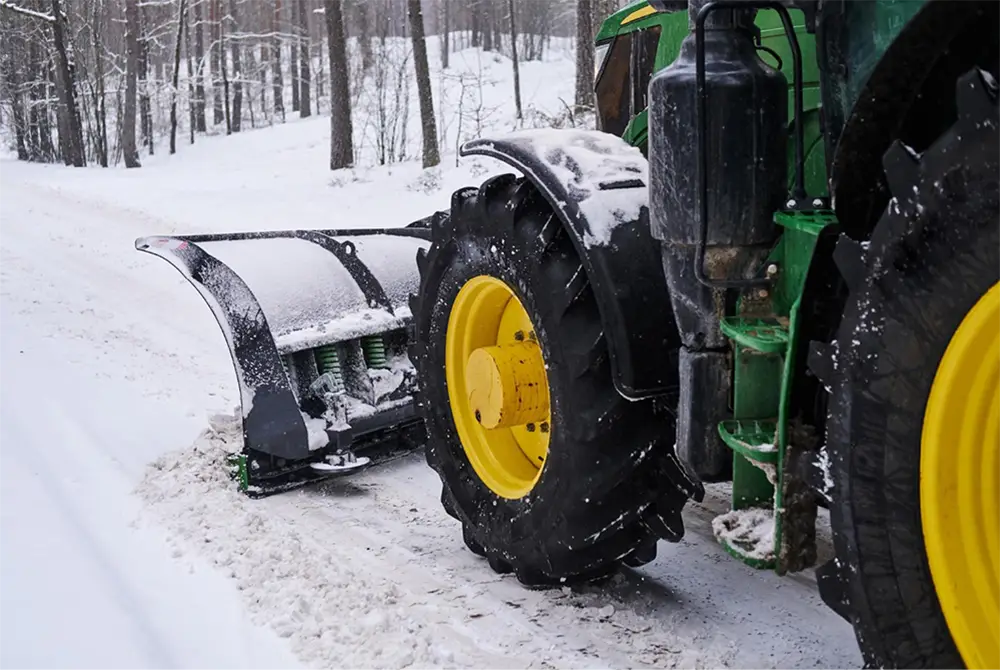 Building a Quality Agreement With a Wear Parts Manufacturer
A quality agreement manufacturer document should settle scope, specifications, inspection duties, documentation, non-conformance and change notification.
Read the guide
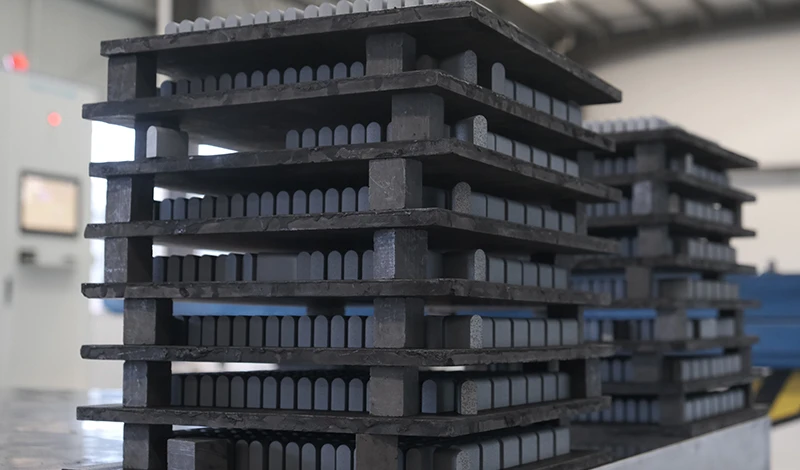 Carbide Recycling and Raw Material Supply Stability
Carbide recycling and raw material supply: how scrap returns to the powder chain, what it does to price stability, and what buyers…
Read the guide
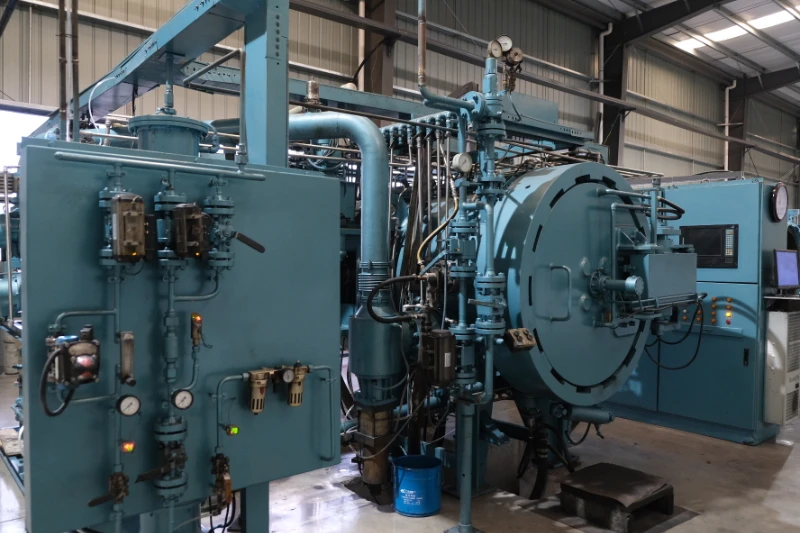 Vertical Integration in Wear Parts Manufacturing: What In-House Process Control Buys You
Vertical integration wear parts manufacturing: which steps sit in house, what one-roof traceability, lead time and change agility actually buy a buyer.
Read the guide
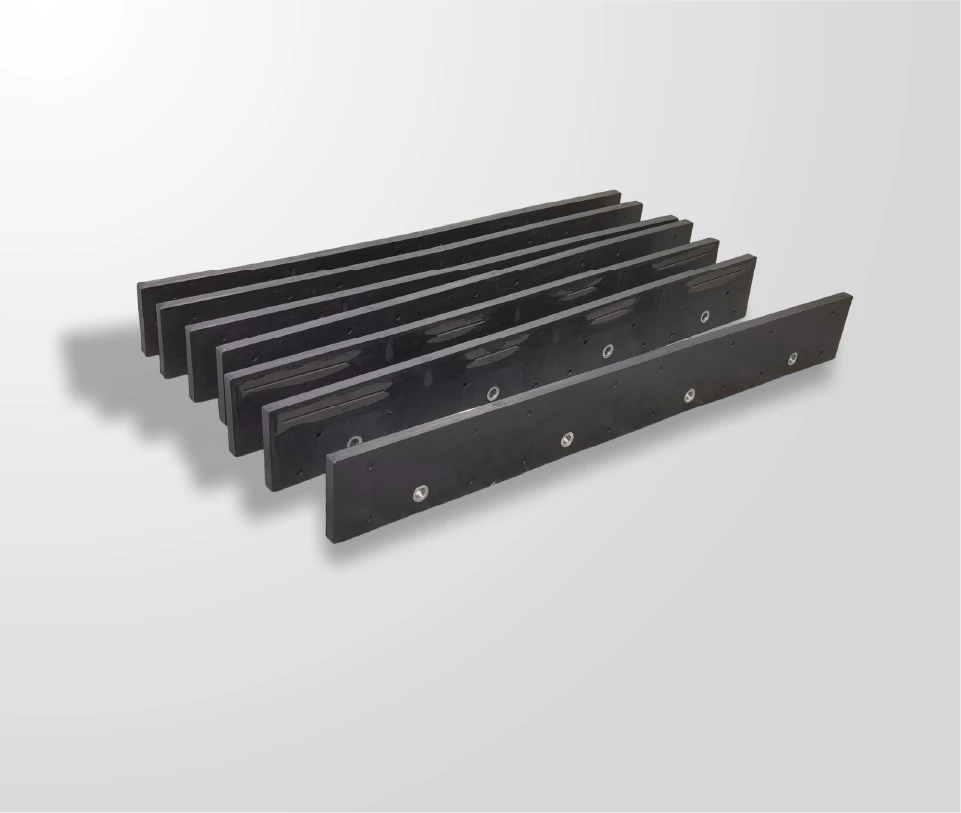 Vulcanization and Bonding in Rubber-Flex Blade Segments
Rubber flex blade bonding explained: compound selection, surface preparation, vulcanization parameters, bond failure modes and what to specify on an order.
Read the guide
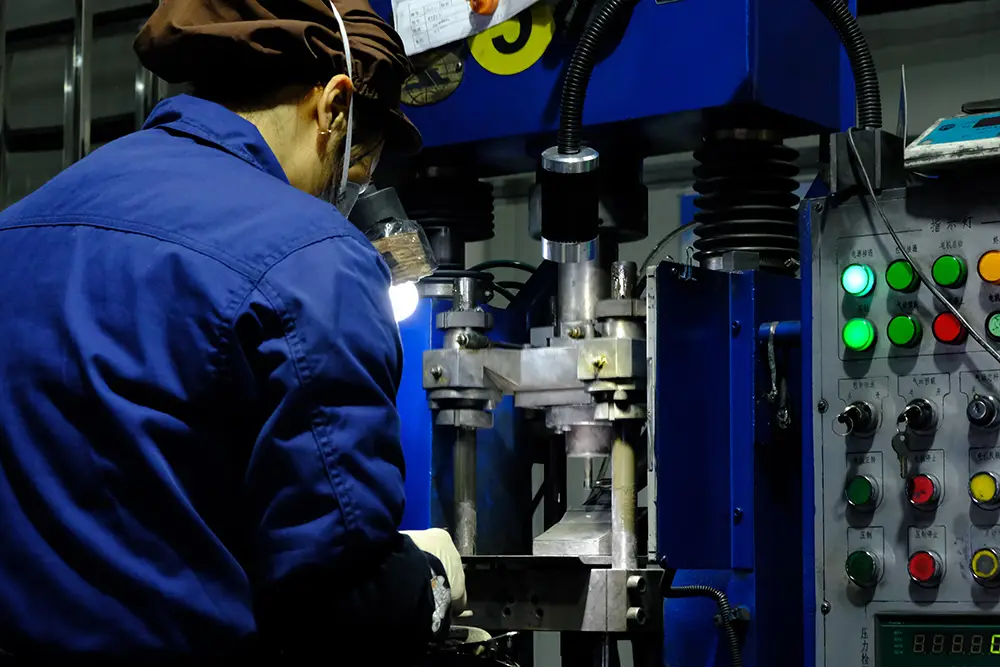 Factory Acceptance Testing for Blade Orders: A Practical Protocol
Factory acceptance testing blades protocols: when a FAT is warranted, how to select samples, what to test, what to review and what…
Read the guide
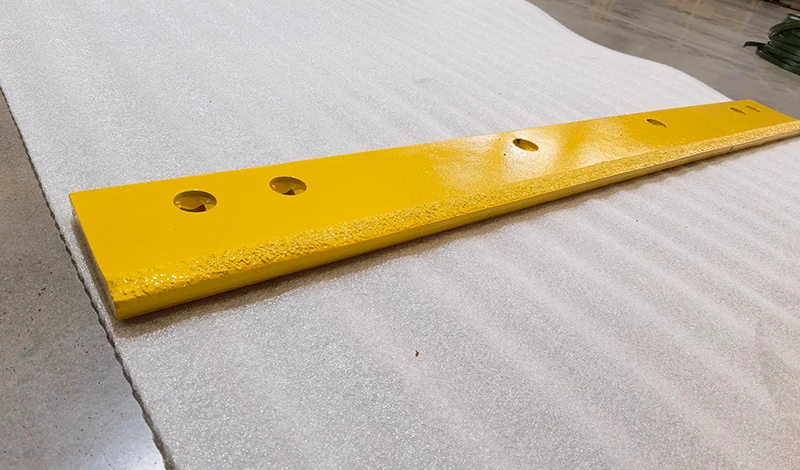 Dimensional Inspection and Tolerance Control on Plow Edges
Dimensional inspection plow edges need: fixture-based measurement of critical dimensions, a tolerance stack against the moldboard and records that compare lots.
Read the guide
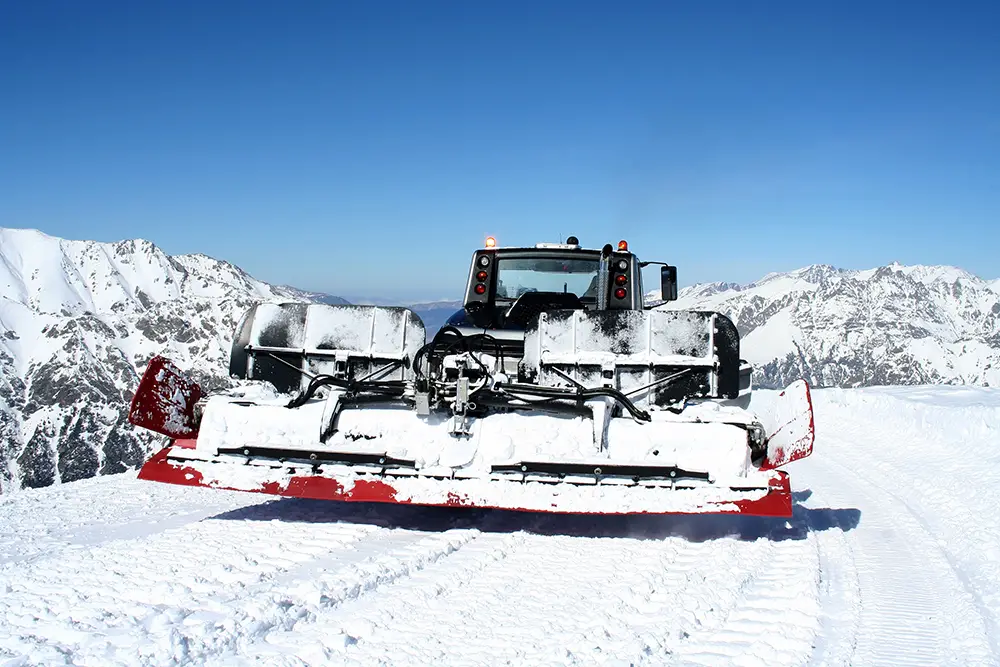 Hardness Testing on Carbide Wear Parts: Methods and Their Limits
Compare Hardness Testing on Carbide Wear Parts: Methods and Their Limits with verified fit, material, cost, maintenance, trial, and supplier checks for…
Read the guide
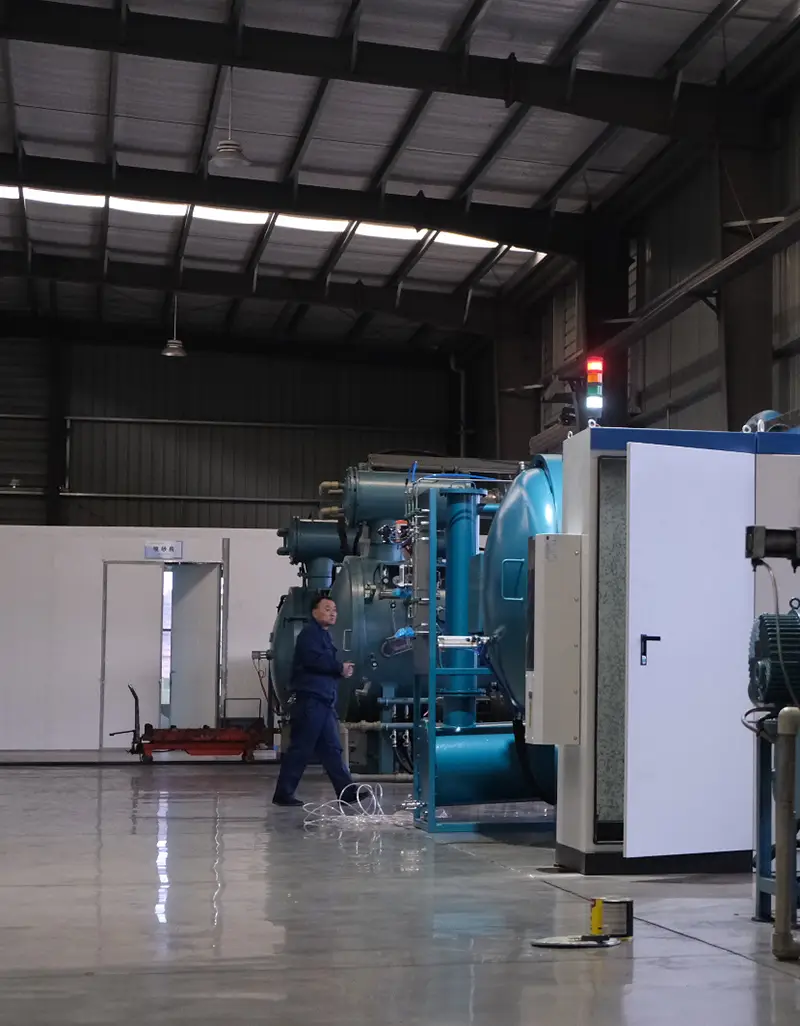 In-Process Inspection Stages for Carbide Edges
In process inspection carbide edges need at four stages: incoming material, pressing and sintering, brazing, and final dimensional and visual release.
Read the guide