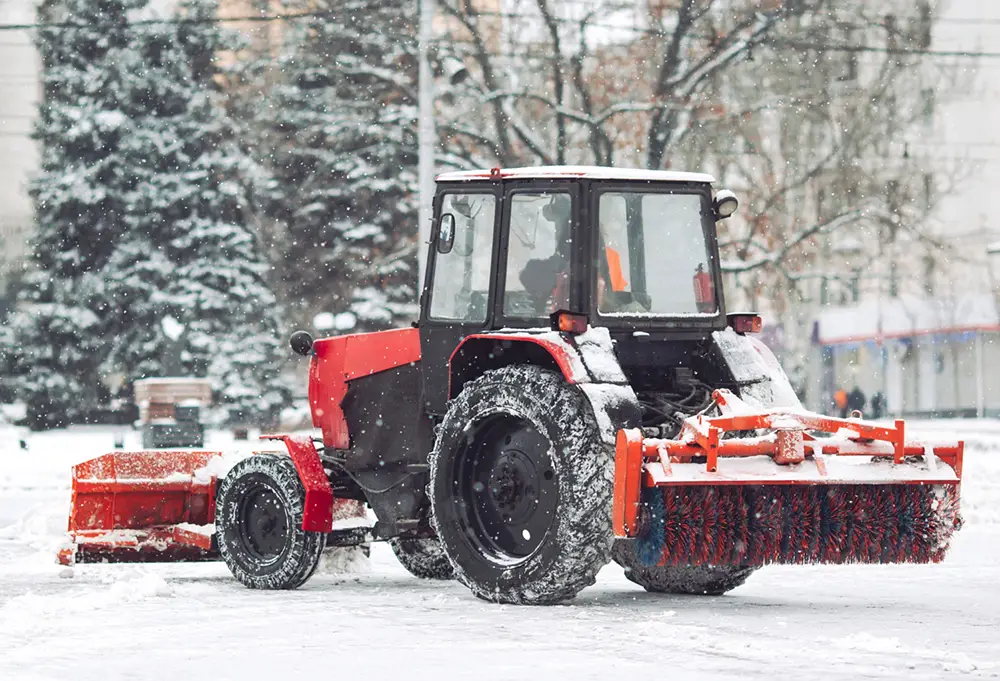
Plow leaves streaks in ice storm
Streaking in an ice storm is almost always a symptom of edge geometry and down-pressure, not of the steel grade itself. A…
Read the guide
How to size a bolt-on edge for a pickup plow
A bolt-on edge is sized by matching three dimensions to the plow blade: the bolt hole pattern (spacing and count), the edge…
Read the guide
OEM versus ODM in snow pusher edges: what changes for the buyer
OEM versus ODM in snow pusher edges comes down to who owns the design and who carries the risk. In OEM, the…
Read the guide
Hole pattern and thickness on Arctic-style plows
Hole pattern and thickness are the two specifications that decide whether an Arctic-style cutting edge fits, wears predictably, and stays economical across…
Read the guide
Carbide capacity changes: reading them for edge budgets
Carbide capacity changes — shifts in grain size, cobalt content, grade consistency or substrate availability at the mill — show up in…
Read the guide
Snow pushers and your edges
Snow pushers and cutting edges are a wear-parts system, not two separate purchases. The pusher box sets the load path; the edge…
Read the guide
Season close-out for fleet managers
Season close-out for fleet managers means one thing: deciding which cutting edges to re-order now, which to hold, and which to retire…
Read the guide
Steel microstructure: what it means for edge buyers
Steel microstructure is the arrangement of phases, grain size and inclusions inside the steel, and it is the main reason two cutting…
Read the guide
Wet heavy snow: setting the plow for the surface
Set the plow for wet heavy snow by increasing the attack angle slightly, keeping the cutting edge sharp and the moldboard slick,…
Read the guide
Wheel loader edges at a HOA road
Wheel loader edges at an HOA road are usually a specification problem before they are a wear problem. The machine is sized…
Read the guide