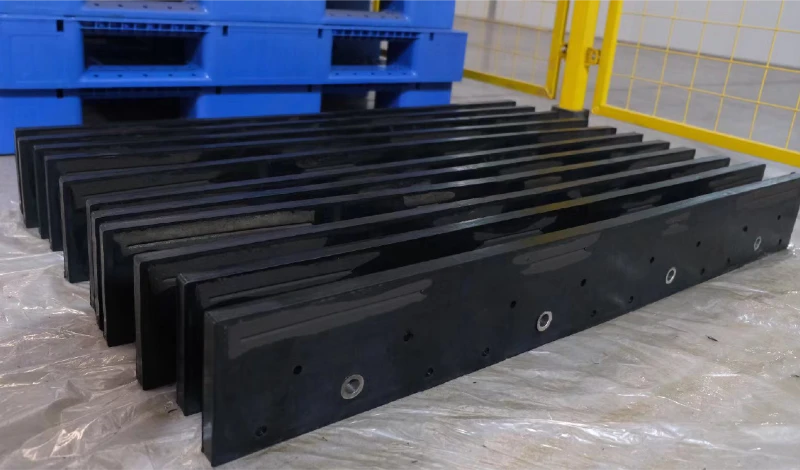
Convert the successful sample into a documented production reference. Agree the drawing revision, materials and construction requirements, inspection plan, batch identification and change-approval process. A sample that bolts on demonstrates that sample’s fit; it does not by itself approve every property or every unit in a shipment.
Define what sample approval actually covers
Think of sample approval as a set of recorded conclusions rather than one signature. The wear-parts sourcing guide provides context for the handoff from enquiry to production. A mounting check can close the hole-pattern question while leaving durability or packaging open. That is a workable outcome if the production release makes those limits explicit. It becomes a problem when a brief approval note is later interpreted as evidence for characteristics that nobody checked.
Keep the sample identifier, drawing revision, measured results and machine configuration together. State whether approval covered dimensions only, installation, or a field trial as well. Record unresolved items rather than letting a general “sample approved” email imply that all checks passed.
Confirm which document governs when a drawing, purchase order and reference sample differ. Include the dimensions and tolerances that matter to the application, plus the specified material or grade, construction and relevant finish. Keep a retained reference where agreed, but use measurable requirements for acceptance rather than relying only on visual similarity.
Agree inspection and batch-release requirements
List the characteristics to inspect, methods, acceptance limits and records required. Agree which checks apply to every unit and which use a documented sampling plan, including how samples are selected and what happens after a failure. Do not invent a universal sample count or assume “batch inspected” means every dimension on every piece was measured.
Define the disposition of a suspect lot: identify it, keep it separate from released stock, record the discrepancy and obtain an agreed resolution. Require permission before repair or substitution where that could affect the approved specification. SENTHAI’s quality-control page describes agreed drawing-based acceptance criteria and batch-linked inspection records; the order should state the requirements for the particular supply.
Control revisions and production changes
Put the approved part and drawing revision on the purchase order, inspection documents and packing identification. Ask for proposed changes to material, geometry or construction to be disclosed before production so the responsible approver can decide whether another sample or test is needed.
Agree the document package and its delivery point. A report received after stock has been installed is too late for a receiving release decision. For repeat orders, confirm that the intended revision remains current and that any earlier concession was limited or formally incorporated. “Same as last time” can carry forward an exception nobody meant to repeat.
Before releasing the production order:
- Identify the approved sample and the scope of its approval.
- Freeze the governing drawing and specification revision.
- Agree inspection methods, limits, sampling and required reports.
- Define lot identification and traceability on parts or packaging as appropriate.
- Name the change approver and the process for concessions or nonconforming goods.
- State the document review and receiving-release responsibilities.
For each open item, identify the next evidence required and who is responsible for accepting it. That might be a dimensional result, an agreed material record or completion of a defined trial. Keep the decision with the order documents so receiving staff do not have to reconstruct it from scattered emails. The objective is a repeatable release decision that survives a change of buyer or inspector.
Inspection provides evidence against an agreed specification; it cannot guarantee every future service outcome. A sampled result has a defined scope, and a fit approval does not establish material properties or full-season durability. Keep those decisions separate in the approval record.
Sources and further reading. Use the applicable equipment manual and approved specification for operating and installation requirements. Model-specific examples do not establish compatibility with another machine.
Sourcing carbide wear parts guide ↗SENTHAI quality control ↗Custom blade manufacturing ↗Warranty, shipping and ordering terms ↗Carbide snow plow blades ↗


