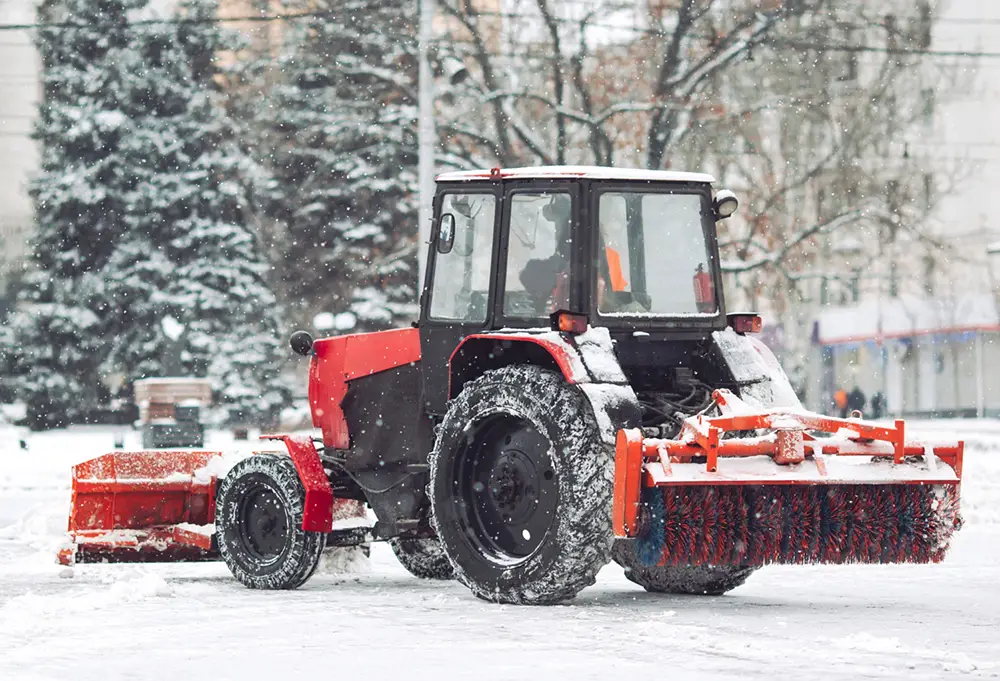
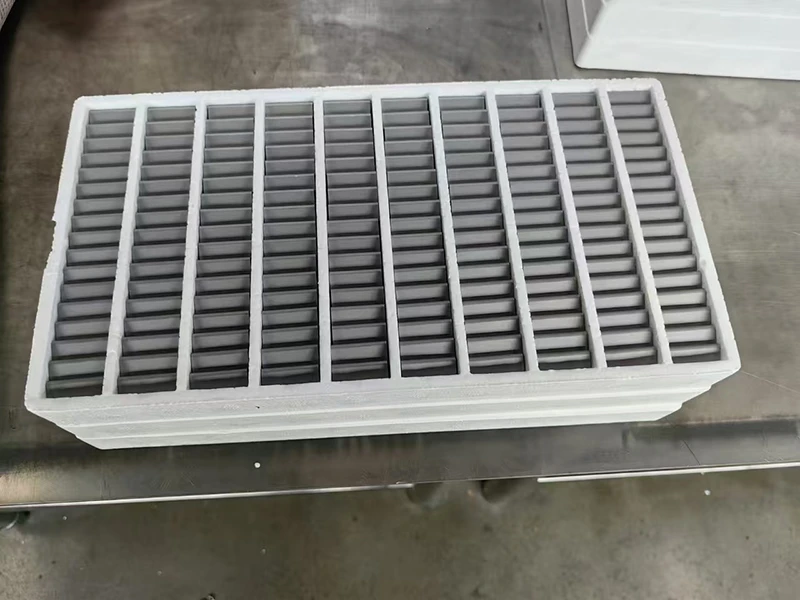
 Should we clean a failed carbide edge before returning it for investigation?
Agree cleaning with the investigator, preserve as-found surfaces and document authorized preparation without confusing altered and original evidence.
Read the guide
Two inspectors measured different remaining blade heights. How do we reconcile the readings?
Reconcile conflicting blade-height readings by comparing datums, stations and instruments, then retain both records and repeat a documented method.
Read the guide
Our edge left a gouge in the pavement. What belongs in the incident record?
Build a pavement-gouge incident record with location, surface condition, edge evidence and timing while keeping cause and responsibility unresolved.
Read the guide
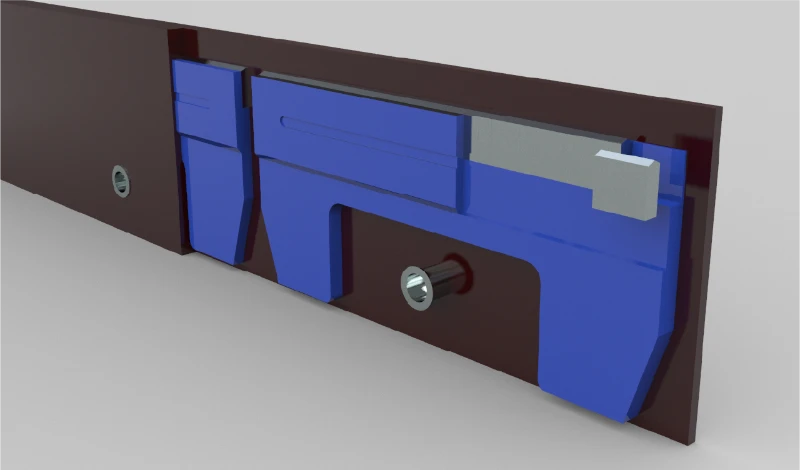 What should we record when a rubber-flex segment no longer moves as expected?
Record restricted rubber-flex segment movement against the correct assembly documents, preserving visible condition before qualified assessment.
Read the guide
The blade ends are still usable but the centre is near its limit. Can average wear guide replacement?
Map the lowest remaining blade section and apply model-specific wear criteria. An acceptable average cannot override a limiting local condition.
Read the guide
Our new blades seem to wear faster after a route change. What should we compare first?
Compare route exposure, blade lots and measurement methods after reassignment before attributing faster wear to a change in supply quality.
Read the guide
Can a phone video of blade chatter establish the cause?
Keep blade-chatter video traceable with equipment, timing and conditions. Use the recording to guide qualified inspection rather than prove a cause.
Read the guide
We see fresh damage after an impact, but also old rounded wear. How should we report both?
Separate new-looking damage from earlier rounded wear using dated photographs, an incident timeline and a clear record of unresolved observations.
Read the guide
The same bolt position keeps loosening. What records should accompany the inspection request?
Document recurring loosening at one bolt position with hardware identity, maintenance history and interface evidence before changing any settings.
Read the guide
Our edge looks bowed after removal. How do we avoid losing the evidence?
Preserve a bowed blade’s installed and removal history, document measurement supports, and compare its shape with the approved geometry.
Read the guide