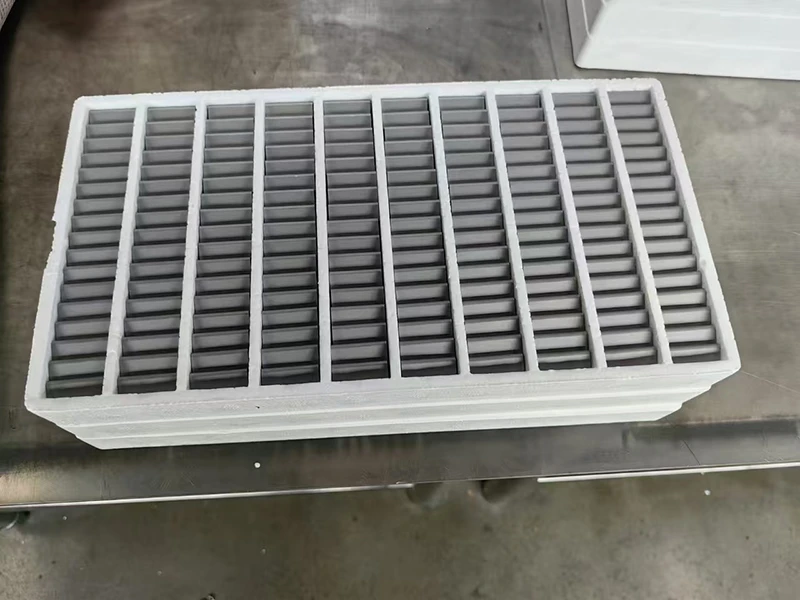
Follow the fleet's incident and safety procedures, then document the location, surface condition, equipment and timing. Preserve the edge's condition and any relevant route evidence. A pavement gouge and a nearby plow are observations to investigate; their association alone does not establish the mechanism or responsibility.
Record the location, surface condition and time before further disturbance
Record the exact location as reliably as possible, the time of discovery and the direction of the relevant pass. Keep discovery time separate from the estimated time the mark formed. Include an overview showing the surrounding surface and closer photographs with a scale where safe and permitted. Do not obstruct traffic or enter a hazardous area to collect additional images.
Describe existing joints, patches, surface transitions and nearby objects as observed. If there are earlier photographs or maintenance records of the area, preserve them with dates and source. An earlier image may establish prior condition only for what it actually resolves; absence of a visible mark in a distant image is not automatically proof of an undamaged surface.
The incident-reporting guide covers a wider claim workflow. This record focuses on connecting the surface observation with a verifiable equipment timeline without deciding liability from a single scene photograph.
Preserve edge condition, route history and any obstacle evidence
Have qualified personnel document the edge and assembly under the approved isolation procedure. Include part identity, wear, visible damage, attached material and recent maintenance. If a feature on the edge seems to correspond to the pavement mark, record the apparent relationship without calling it a confirmed match. Measurement or examination may be needed to assess that possibility.
Retain operator observations of a strike, unusual sound or changed clearing behaviour, with their stated uncertainty. Add the route log and known changes in conditions. Do not recreate the pass to see whether the gouge happens again. The applicable equipment documentation should govern inspection and any return-to-service decision, not an improvised demonstration for the incident file.
Record who handled or removed the edge and what work occurred afterward. If relevant pieces or debris are recovered safely, label their location and time of recovery rather than assuming they came from the machine.
Escalate under fleet incident procedures without attributing cause from the gouge alone
Submit the scene record, equipment record and chronology through the fleet's established incident process. Identify which facts are confirmed, which are reported and which remain unknown. A concise uncertainty list is more useful than a speculative account that later participants mistake for an inspection conclusion.
Consider alternative explanations only as questions for the responsible reviewer, not allegations. The purpose is to preserve evidence for a qualified assessment. Clear Roads' field-evaluation approach is relevant background on interpreting operating context, but a performance study cannot establish what caused damage at this location or determine a commercial claim.
If replacement wear components are needed, record why they were changed and preserve the removed parts where investigation requires them. Keep the immediate operational response separate from the final cause and responsibility decisions. Closing the maintenance work order should not automatically close the incident review or erase the original condition photographs.
Sources and further reading. The ordered specification and applicable equipment documentation control acceptance and service decisions.
WESTERN official document library ↗Clear Roads High Performance Blade Evaluation ↗


