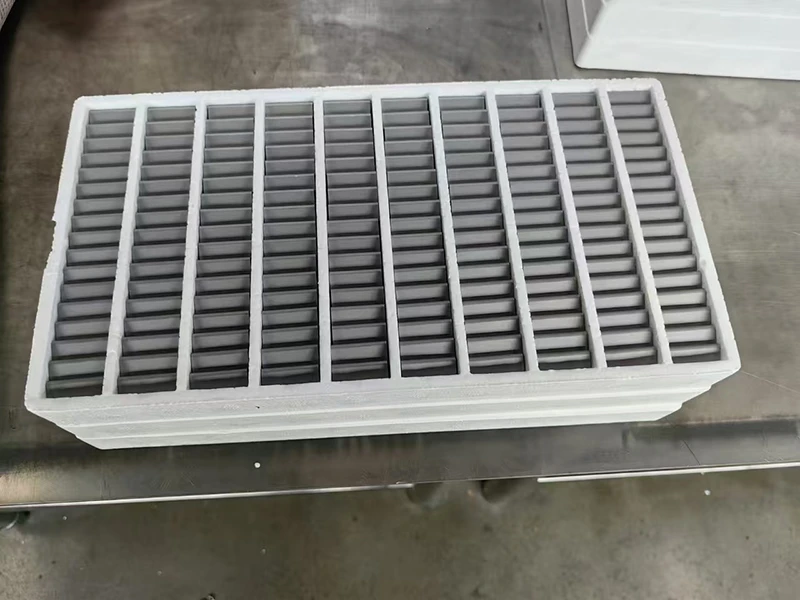
Ask the receiving investigator what examination is planned before cleaning the edge. Photograph its as-found condition and obtain written instructions identifying what may be changed. Cleaning can affect the available evidence, so the decision should follow the examination question rather than a general preference for a tidy return.
Ask the receiving investigator which surfaces must remain untouched
Describe the condition that prompts the cleaning request: loose dirt, an obscured feature, residue near a joint or contamination that raises a handling concern. Do not identify an unknown substance by colour alone. Send overview and close photographs so the investigator can distinguish the area of interest from unrelated dirt elsewhere on the blade.
Ask which observation the examination is intended to establish and whether cleaning would help, interfere or require staged documentation. The workshop should not decide independently that a deposit is irrelevant or that a stained surface needs to be made bright. Different questions can require different preparation, and an instruction for one area may not apply to the whole part.
The incident-evidence guide covers the broader review process. This discussion concerns the cleaning decision itself: who authorizes a changed surface state and how that change remains visible in the evidence record.
Record the as-found surface before any authorized preparation
Photograph the as-found surface before any authorized preparation. Include the blade identity, position, scale and viewing direction, with an overview connecting each detail to the assembly. Record which features are obscured and which are already visible. An unreadable area is a limitation to disclose, not a reason to remove material without first asking.
If loose fragments are present, preserve their identity and follow the investigator's separate containment instructions. Their presence does not authorize cleaning the fracture faces or rubbing pieces together to see how they fit. Keep the surface-state record focused on what has been touched, washed or otherwise changed, rather than turning the cleaning decision into a general shipping checklist.
CERATIZIT's joining reference supplies technical context, not a cleaning recipe for failed parts. Ask the qualified investigator which surfaces or residues matter in this case. If a handling hazard prevents an untouched return, explain the constraint and agree a safe evidence-preserving response through the appropriate personnel.
Keep cleaning, cutting and repair off the evidence path until written instructions arrive
Get written instructions that define the permitted preparation, the areas covered and any required before-and-after record. Use qualified personnel where the work requires them. Do not add scraping, grinding, heating or repair because the approved cleaning step makes other work convenient. Additional alteration needs its own technical disposition.
If cleaning has already occurred, state when, by whom and by what known method. Preserve earlier images and identify the current condition as post-cleaning. Do not recreate a dirty appearance or conceal the preparation because it may complicate the review. The investigator can assess what remains useful only when the alteration is known.
Compare pre- and post-preparation photographs with the same location references, noting newly visible features without claiming they were created by cleaning. When discussing replacement carbide components, keep the retained part's preparation record linked to the review. The final pack should clearly distinguish original observations, authorized changes and questions the changed surface can no longer answer reliably.
Sources and further reading. The ordered specification and applicable equipment documentation control acceptance and service decisions.
CERATIZIT Joining Techniques ↗Clear Roads 17-02: Standard Specifications for Plow Blades with Carbide Inserts (historical research; not a universal specification) ↗


