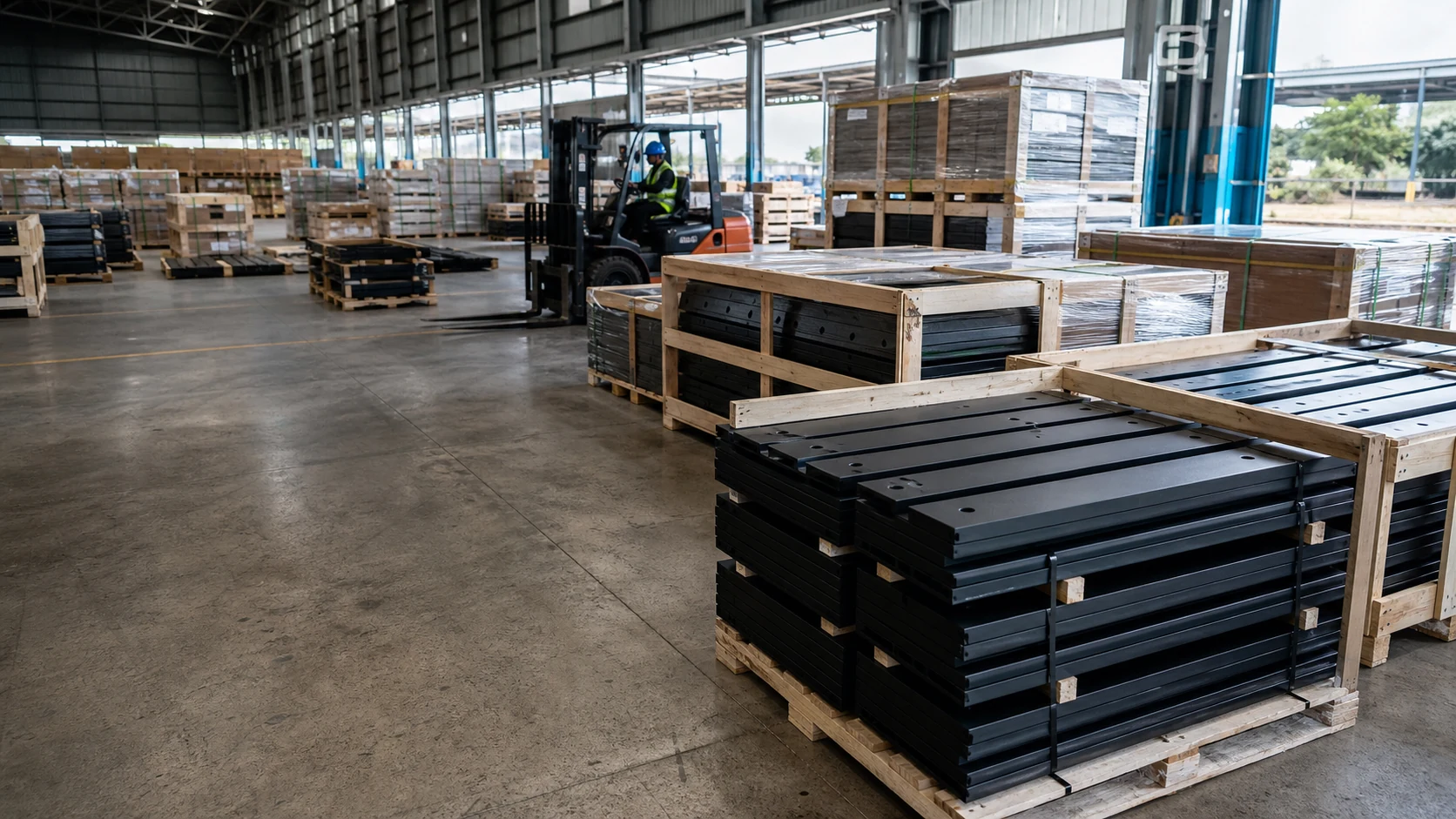
Use a simple loan record that follows the identified blade through dispatch, installation, service and return. Confirm its approved application before issue and record condition at both handoffs. Returning the physical item does not automatically restore the lender's usable stock; its post-service disposition still needs the appropriate assessment and approval.
Record the source depot, identity and approved application before issue
Identify the lending depot, actual part reference, revision, supported lot or stock identifier, quantity and current release status. Link the loan to the receiving machine or work order. Check the application's approval through the responsible technical owner before the part is issued, even when the need is urgent. A neighboring depot may use a familiar description for a different configuration, so shared terminology should not replace the actual cross-reference.
Record the dispatch condition and any existing restrictions without making an unsupported remaining-life promise. The blade-inventory guide explains the wider spare-planning problem; this exception needs a clear record of who has supplied which usable item to which job. Agree the expected return or review point and a contact at each depot. Keep the lender's availability status accurate so the same blade is not still shown as emergency coverage there.
Log installation, use and condition on return
On receipt, confirm the item against the loan record and note any difference before installation. Retain the installation reference, equipment identity and service period in the borrowing depot's records. If the blade changes machines or the job scope changes, update the loan relationship and obtain any required application review. Do not assume the original loan approval covers every later use while the blade remains at the borrowing site.
Record removal reason and accessible condition when the part comes out of service. Separate ordinary service history from any incident or damage observation, and preserve the evidence needed for assessment. If repair, alteration or another intervention is proposed, obtain the appropriate authorization rather than treating the temporary possession as permission. The lender needs to know what happened to the item, including uncertainty where the borrowing records are incomplete.
Restore stock only after the required assessment, not merely because the item came back
Arrange return with the original identity and the new service record together. The receiving depot should verify the actual item, quantity and arrival condition, then route it to the qualified assessment process. Until that decision is made, record it as returned pending assessment rather than automatically restoring its former released status. If the item is no longer suitable for its previous role, the stock plan must reflect that outcome.
For replacement blade planning, distinguish the borrowed part from owned spares and from any replacement being discussed. Agree commercial or inter-depot responsibilities through the authorized process rather than assuming who will bear a loss or replacement cost. Close the loan when both depots reconcile the physical return or other agreed disposition and update their availability records. The useful test is whether the lender can later explain the blade's extra service interval without contacting the person who arranged the emergency transfer.
Installation references depend on the equipment model. WESTERN documents ↗



