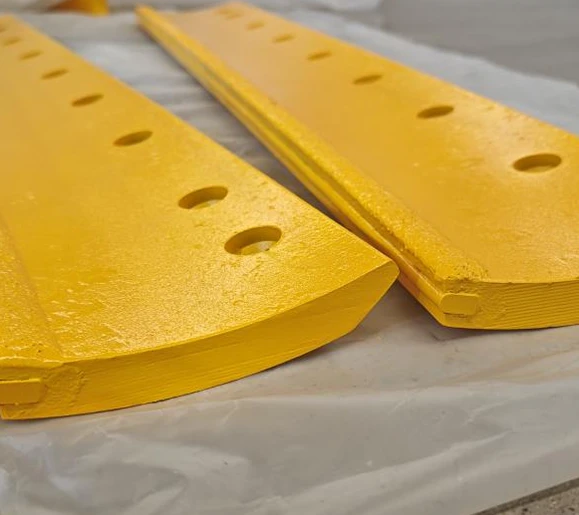
Compare both edges against the same required clearing result, with comparable equipment and route exposure. Record wear, working distance or time, damage and changeout costs from a baseline. Decide the acceptance and stopping rules before starting, and report the conditions alongside the result.
Define comparable routes and clearing outcomes
The steel-versus-carbide guide provides background for choosing the comparison. The purchasing question should be narrow enough to answer: for example, which approved edge option delivers the required clearing result at a lower relevant cost on the routes being tested? That leaves room for a mixed outcome. One option may suit abrasive paved sections while another remains appropriate for a different route. A trial does not need to select a single material for the entire fleet to be useful.
Choose representative routes and explain how surface, obstacles, storm severity and operator differences will be recorded. If two machines run different routes, report those differences rather than calling the comparison controlled. Repeated observations across comparable conditions give a more useful picture than one unusually easy or severe shift.
Agree the required clearing quality and record extra passes or follow-up work needed to achieve it. Use each edge within the equipment and blade supplier’s permitted setup. Forcing identical settings when the designs require different approved settings can make the trial unfair or unsafe; record the actual settings and any changes.
Measure wear, exposure and costs consistently
Identify each blade by part, revision and batch. Photograph and measure defined positions before use, then use the same positions, method and units at later inspections. Record damage separately from gradual material loss. Keep a note of measurement resolution so a tiny apparent difference is not treated as a meaningful result.
Log productive plowing distance or working hours consistently, distinguishing road travel with the edge raised. Where road width varies, a defined area-based measure may be more useful. Choose the denominator before comparing results and keep raw logs so another person can check the calculation.
Record landed blade cost, installation and removal labour, replacement hardware, maintenance and changeout downtime using the same accounting rules for both options. Keep observed downtime separate from an estimated monetary value, and explain the rate used if downtime is priced.
For an edge used to its agreed replacement limit, divide its relevant total cost by the productive output it delivered. If an edge is still serviceable when the trial ends, report its remaining condition and incomplete life separately. Charging its full purchase cost to a short test period can distort a life-cycle comparison; predicting its full life from early wear also adds uncertainty.
Agree trial rules and report the limits
Agree these trial rules in writing:
- Machine, route selection, required clearing result and permitted setups.
- Blade identity, baseline measurements and repeat inspection method.
- Exposure units and the treatment of extra passes or interrupted shifts.
- Safety and replacement limits from the applicable equipment and product requirements.
- Costs included, labour rates and treatment of unused life.
- How missing logs, route changes and damage incidents will be reported.
Keep a change log alongside the measurements. A new operator, repaired mounting assembly, different route assignment or revised setup may explain a change in results. Record the date and reason, then decide whether the observations remain comparable. Do not silently remove a difficult shift from one option while retaining the equivalent shift for the other.
A field trial estimates performance in the conditions actually observed. It cannot establish a universal carbide-to-steel life multiplier. If exposure differs materially, or neither edge reaches an agreed endpoint, publish an interim comparison with those limitations rather than a definitive cost-per-life claim.
Sources and further reading. Use the applicable equipment manual and approved specification for operating and installation requirements. Model-specific examples do not establish compatibility with another machine.
Snow plow blade selection guide ↗Hardened steel versus carbide in abrasive service ↗Snow plow blade range ↗Carbide snow plow blades ↗


