Define the required service outcomes, evidence and event-review process before the trial starts. Separate safety and technical eligibility from the way cost and performance are compared. Agree how unusual storms, maintenance changes and interrupted observations will be recorded, so later review can acknowledge their consequences without quietly changing success criteria to favor one result.
Define safety, finish, durability and cost criteria before results arrive
State the actual decision the trial will support and the configurations being compared. Identify the required finish or service outcome, relevant condition criteria and cost boundary through the responsible owners. Avoid a vague objective such as best blade that can be reinterpreted after the results arrive. Record what evidence establishes each outcome and who is authorized to decide whether the requirement has been met.
Use the tender-evaluation discussion as broader context for evidence-based decisions, while keeping the trial plan distinct from a procurement scoring exercise. Technical and safety requirements should not become optional points that can be offset by a low price. Have qualified personnel define any inspection or operational limits from the applicable requirements. This article does not supply universal stop thresholds, settings or service standards for every machine and route.
Agree how extraordinary events and equipment changes will be recorded
Agree the information to capture when an unusual event occurs: time, affected equipment, assignment, relevant condition and the reason for any change. Define how route reassignment, component replacement, incomplete service intervals and missing observations will be identified in the dataset. Keep the original records and the event classification together. The plan should preserve evidence when normal service takes priority, rather than pressuring crews to maintain trial symmetry during a demanding operation.
Describe the review process for events that do not fit the original assumptions. Name the responsible roles and require the reason for any analytical change to be recorded. If the team must revise a criterion because it was genuinely inadequate, retain the original definition and show the consequence of the revision. Do not rewrite the plan's history so a newly introduced measure appears to have been collected consistently from the beginning.
Apply the stated review process rather than changing success criteria to favor a result
Decide how incomplete or confounded evidence will be reported. A trial may finish with a supported limited finding, a need for further observation or no defensible ranking. Make those outcomes legitimate in the plan so the team is not compelled to declare a winner regardless of data quality. Where an unusual event dominates cost, show it transparently and explain any additional analysis rather than deleting it as an inconvenient outlier.
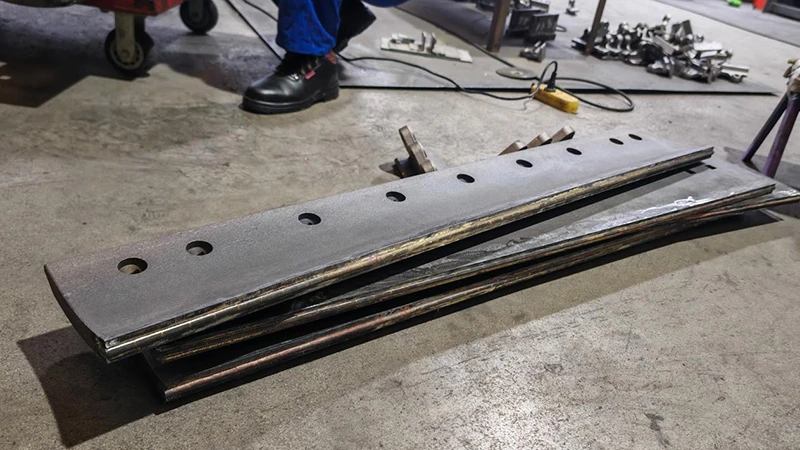
For a blade trial proposal, provide the decision criteria and practical operating constraints before selecting the evaluation scope. Confirm that the plan can be carried out through ordinary authorized procedures and realistic recordkeeping. Review the plan with operations, maintenance and purchasing so each understands the evidence and responsibilities. The preparation is complete when a later reader can distinguish original criteria, actual events and approved analytical changes. That record supports a fair decision even when the winter itself does not follow the assumptions made at the start.
Further reading. Clear Roads evaluation ↗



