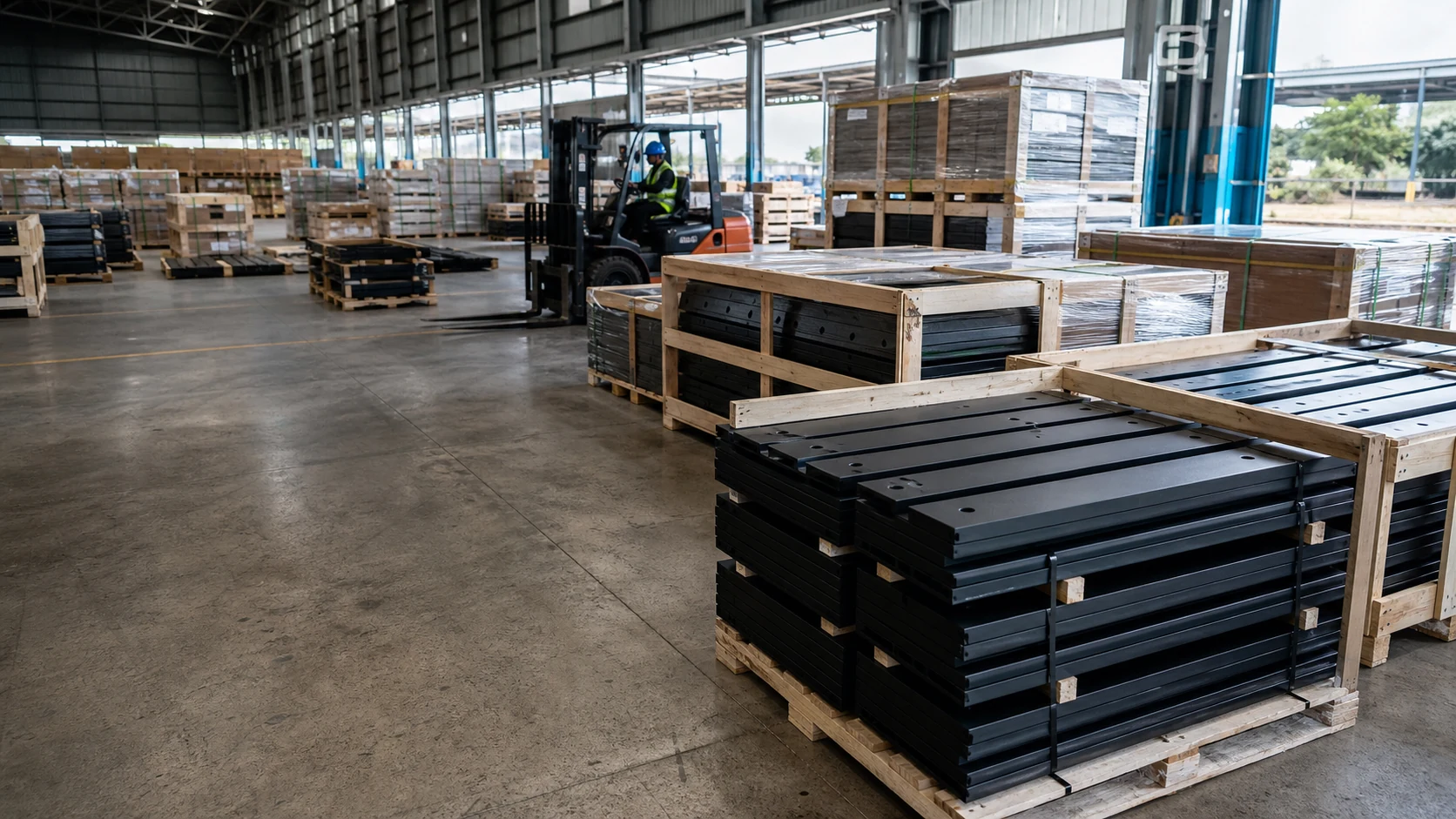
Include them in the physical inventory record, but exclude them from available service stock unless an authorized decision has released them for use. Ownership, claim progress and technical disposition are different questions. A pending warranty request does not establish usability, and an expected replacement is not the same as a received, identified and released spare.
Separate physical ownership from released usable inventory
Identify each held blade or traceable group, its location and the reason for the hold. Keep the original receipt and application records linked so the claim can be investigated without moving the item into ordinary available stock. Record physical quantity honestly: the pieces are present even when they cannot support a maintenance job. The stock report should make that distinction visible rather than hide the parts or inflate readiness.
Use the seasonal inventory-planning guide for the wider spare requirement, then calculate coverage from the released configurations actually available. A held blade may be owned by the fleet but unavailable for service; a replacement may be discussed but not yet dispatched. Combining these states in one number makes a maintenance plan look stronger without supplying any additional usable parts. Give stores and planning a shared definition of which status is eligible for reservation.
Track claim, quarantine and potential return status independently
Maintain separate fields for technical disposition and claim administration. A claim may be open while qualified assessment permits a defined use, or closed while a damaged part still awaits return or disposal. Record whichever decisions have actually been made, with their scope and owner. Do not infer a product release from a supplier's commercial acknowledgment, or infer a warranty outcome from a workshop's condition assessment.
If a return is proposed, preserve the sample and packaging instructions and track the quantity leaving stores. If replacement stock is promised, record that as incoming supply with its own delivery and acceptance steps. Avoid a double count in which the original held part and its expected replacement both contribute to available stock. Keep credits, replacements and retained parts distinguishable so the inventory history remains understandable when the financial claim is reconciled later.
Plan service stock from approved available parts without assuming the claim will be resolved in time
Compare the next maintenance requirement with approved, uncommitted stock of the right configuration. Identify the uncovered quantity and latest useful receipt date. Escalate that gap through normal purchasing and maintenance planning while the claim proceeds. This does not require assuming that the claim will fail; it recognizes that its outcome and timing remain unresolved. A reserve plan should be based on confirmed supply evidence rather than optimism about a pending response.
When discussing replacement blade availability, provide the required configuration and service date separately from the claim reference. Ask the responsible buyer to coordinate any interim purchase with the actual commercial arrangements, without promising reimbursement. Close the stock exception only when the held items have a recorded disposition and replacement receipts, if any, have been reconciled. Keep the claim history available even after the physical parts leave the warehouse so future planning can distinguish demand from a one-off replacement movement.
Acceptance sampling addresses a lot's disposition. NIST What Is Acceptance Sampling? ↗



