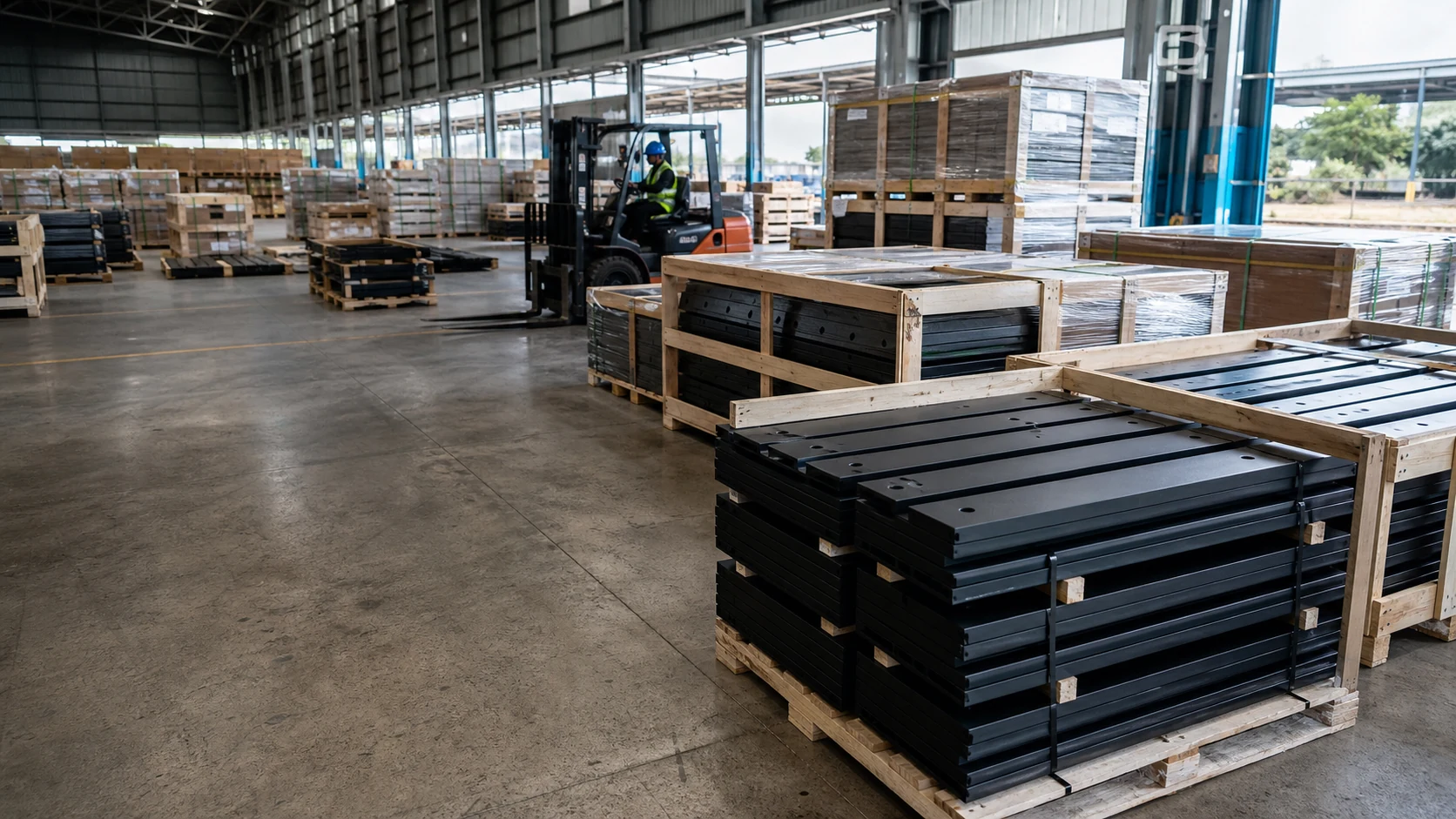
Keep the confirmed manufacturing lot identity and give each delivery its own receipt reference. Link the two without treating them as interchangeable. Each received portion needs its own quantity, condition and applicable disposition record; the first receipt's status should not automatically release later arrivals merely because they share the same production reference.
Link each packing list to the shared production lot and ordered quantity
Build a master order reconciliation showing the approved quantity, confirmed production lot and delivery allocations. Under it, record each packing list, dispatch reference and actual receipt. If your system requires a local receipt-batch number, label it as an internal tracking reference and map it to the supplier lot. Do not present every delivery as a newly manufactured lot unless the supplier confirms that it actually is one.
Check the relationship at the point of receipt. A repeated lot entry on paperwork should still match the identifiers carried by the actual packages. Retain the supplier's explanation of any component, assembly or shipping references that differ. The shipment-documentation background helps distinguish these records, but the immediate requirement is a clear parent-child relationship: one confirmed production identity, several deliveries and separately recorded quantities within the order.
Track inspection and release status for each received portion
For each arrival, record what was inspected, by which agreed method and against which requirement. Keep arrival-condition exceptions associated with the affected portion. An earlier accepted portion may support whatever evidence the agreed acceptance plan permits, but it does not erase later damage, missing identity or a new discrepancy. Have the responsible quality owner determine how the inspection plan applies across the split deliveries rather than inventing an automatic carry-forward rule.
Make partial status visible. If one portion is released and another awaits documents, staff should be able to reserve only the released quantity. Where a finding may affect the shared manufacturing lot, notify the appropriate owner so the implications for other portions can be assessed. Do not independently decide that every delivery is defective, or that the problem must be isolated to the last truck. The link exists to support an informed scope decision.
Reconcile totals without assigning new manufacturing identity to every delivery
Reconcile ordered, dispatched, received, accepted, held and outstanding quantities using clearly defined fields. Keep replacement movements distinguishable from original fulfillment so a corrective delivery does not accidentally appear as an unexplained surplus. Check that an item transferred between depots is not counted as a fresh supplier receipt. The master view should explain where every portion sits without overwriting its original receiving history.
Use a blade supply enquiry to agree the split schedule and identification plan before dispatch when possible. At closeout, verify that all packing lists map to the confirmed lot and that final quantities satisfy the actual order lines. Keep any unresolved portion open even if the production lot has otherwise been accepted under the agreed process. A complete shipment history should allow someone to start from an issued blade group, find its receipt, and then locate the wider production relationship without confusing those three levels.
Sampling decisions depend on the defined lot. NIST What Is Acceptance Sampling? ↗



