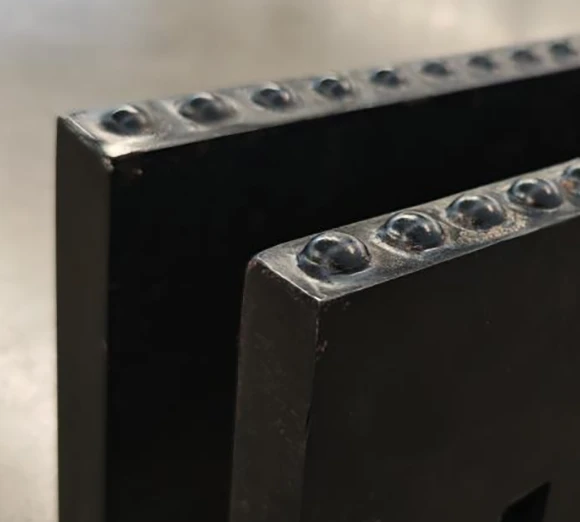
Record both references and ask the supplier to map them to the actual delivered parts. Different numbers may represent different stages or tracking systems, but that relationship must be demonstrated. Hold any release that depends on the unresolved identity until the responsible owner has reviewed a documented explanation covering the specific shipment.
Record both references and hold the identity-dependent release
Photograph the markings with enough context to identify the blade or package they belong to. Preserve the original packing list and record which order lines and quantities are affected. Check whether the mismatch appears across the whole delivery or only a defined group. Avoid rewriting the warehouse entry to make the two numbers match before the investigation; the discrepancy itself is part of the evidence.
Identify what each field was expected to mean under the order requirements. A label headed lot may be used differently by a manufacturer, assembler or shipping department. The supplier-documentation guide helps frame the record request, but a general explanation of numbering conventions is not sufficient here. Ask for the particular relationship between the observed blade reference, the packing-list entry and the supporting inspection or material documents. Preserve any uncertainty about which physical pieces have been checked.
Ask the supplier to reconcile component, assembly and shipping identifiers
The supplier's response should identify the function of each number and show how the records connect. For example, it may need to distinguish a component production reference from an assembly or dispatch reference. Treat that as a proposed explanation until the actual records support it. Do not assume that every mismatch has this benign cause, or that a changed certificate automatically repairs an unsupported physical identity.
Request corrected documents where an error is confirmed, while retaining the original version and the reason for correction. If several component lots feed one assembly group, the mapping should account for that relationship rather than forcing a false one-to-one match. Have the appropriate quality owner review whether the explanation satisfies the order's traceability and acceptance requirements. Receiving personnel can gather the evidence without taking responsibility for a technical release beyond their authority.
Accept a documented mapping only when it accounts for the actual parts
Check the accepted mapping against an actual delivered group and the relevant release evidence. Starting from the blade's observed reference, someone should be able to find the correct order, specification and inspection record without guessing which document was intended. Also confirm the affected quantity and whether other deliveries share the clarified relationship. This prevents a shipment-specific correction from being applied indiscriminately to unrelated stock.
For a blade documentation enquiry, send readable references and the conflicting documents together. State the exact question: whether the actual parts can be linked to the required evidence, not merely whether both numbers are valid somewhere in the supplier's system. Close the exception with a reviewed mapping, any corrected documents and a recorded disposition. If the evidence remains insufficient, keep the stock unresolved and seek the appropriate next step rather than assigning a preferred number to make the receiving screen complete.
Further reading. Clear Roads specifications ↗