Name the current drawing and revision explicitly in the new order, then reconcile the supplier’s acknowledgement and active attachments before release. Do not assume a repeat-order request automatically selects the latest file. Preserve obsolete drawings as history while removing them from the active manufacturing pack.
Name the current part and drawing revision on the new order
Retrieve the approved current drawing and the obsolete attachment. Confirm the part identity and the change that superseded the older version. Check whether last year’s file was included accidentally or is still the supplier’s active manufacturing reference.
Ask which revision was used for any recent stock or quotation assumptions. The quality-agreement guide covers general change control; the narrow issue is preventing an archived attachment from regaining authority in a fresh transaction. A familiar price or order number should not obscure the governing technical file.
Require acknowledgement and remove superseded files from the release pack
Issue a release-pack index naming the current drawing, related specifications and approved deviations, if any. Mark obsolete documents as superseded in the historical record and remove them from the active package. Avoid deleting the history needed to understand older deliveries.
Ask the supplier to acknowledge the exact revision and confirm that its production and inspection references will use it. If the updated drawing changes price, tooling or timing, resolve those effects explicitly rather than allowing the old quote to imply acceptance of the new scope.
Check any outstanding supplier stock made to the previous version. It may need a separate disposition or may remain suitable for another approved application, but it should not be supplied against the new revision without review. Do not relabel old stock as current merely because the repeat order uses the same general part name.
Retain history without allowing an old quotation attachment to control production
Before release, compare the purchase order, acknowledgement and attached files one final time. The current revision should agree across them. If a limited quantity to the older version is approved, identify it as a separate scope with its own evidence and destination rather than blending revisions in one unexplained line.
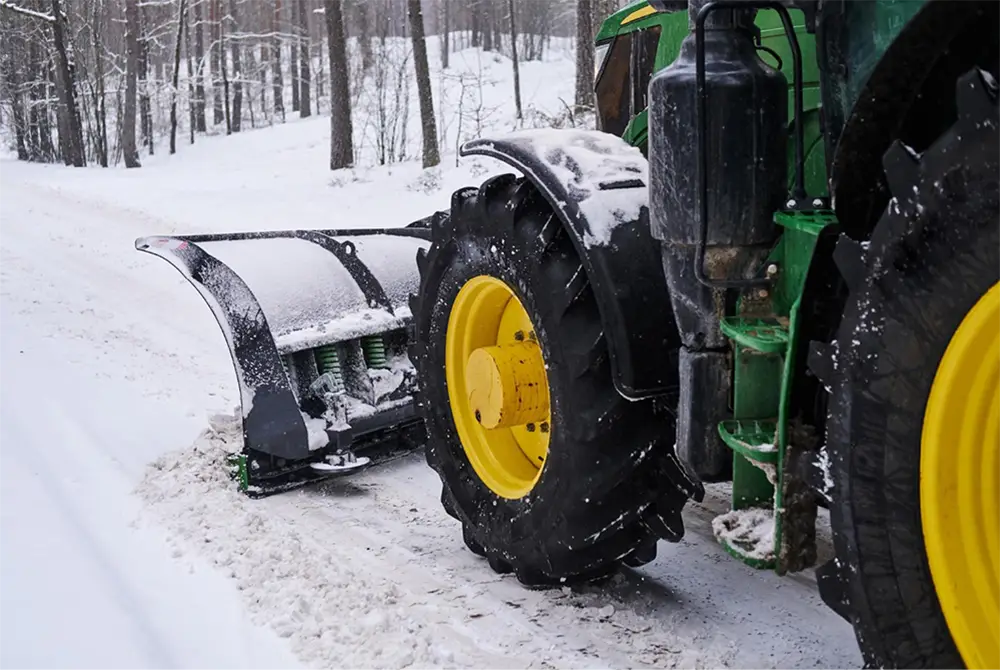
For the snow-plow blade repeat-order pack, carry the current revision into receiving instructions and require the relevant inspection record to reference it. This gives stores a practical check when the physical difference is difficult to see. A supplier confirmation should reach the people inspecting the shipment, not remain only in the buyer’s inbox.
Close the issue by recording the confirmed baseline for future repeats. Use that controlled reference when copying an order, rather than copying every historical attachment. The aim is to retain useful history without letting history become an accidental instruction to manufacture an obsolete blade.
WESTERN organizes technical documents by specific product references. WESTERN official document library ↗



