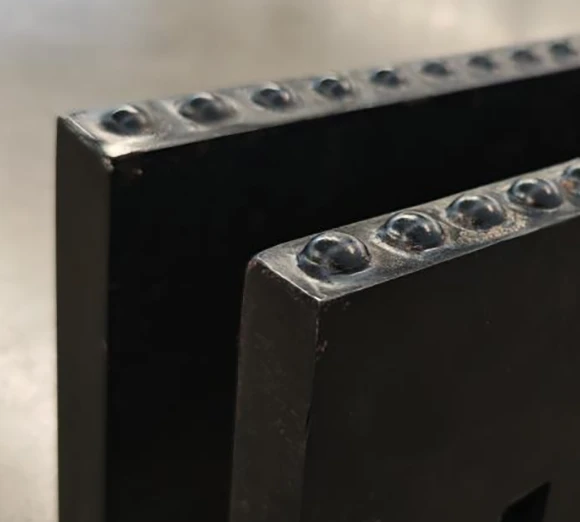
Define which approval questions the sample can answer and what the intended production site still needs to demonstrate. A sample made elsewhere may be useful development evidence, but its identity alone does not qualify a production route that has not yet supplied representative parts. Make that gap an explicit approval milestone.
Identify which site and process generated the approved evidence
Identify the sample-making site, intended production site and operations performed at each. Ask whether the sample uses the proposed production materials, tooling, assembly route and inspection methods. Record known differences without assuming they necessarily make the sample unsuitable for every purpose.
The supplier-qualification guide provides the wider qualification context. This case differs from transferring an established approved production process: here the new approval sample was never made at the intended production site. The task is to define the initial evidence boundary before a broad sample approval is issued.
Ask how the production site will demonstrate the same controlled requirements
List the requirements demonstrated by the sample and those dependent on the production route. A design or interface review may be supported by the sample while production consistency and site-specific verification remain open. Have the technical and quality authorities decide the applicable scope rather than treating the site address as either irrelevant or an automatic rejection.
Ask for a plan showing how the production site will demonstrate the controlled requirements. Identify the representative parts, records and review milestones needed under the agreed approval process. Do not invent a universal pilot quantity or demand identical equipment if the relevant performance can be verified appropriately.
Clarify who controls the drawings and who retains the evidence across both sites. If the sample-making team makes an adjustment, it must be communicated through the controlled specification rather than an informal instruction that the production site may not receive. Keep the sample’s exact configuration traceable to the proposed order.
Treat transfer qualification as an explicit approval step rather than sample identity alone
Write a bounded sample approval stating what was accepted and what remains subject to production-site verification. Define whether the supplier may proceed with tooling, pilot manufacture or another stage, and what evidence is required before bulk release. A broad “approved for production” stamp should not conceal those distinctions.
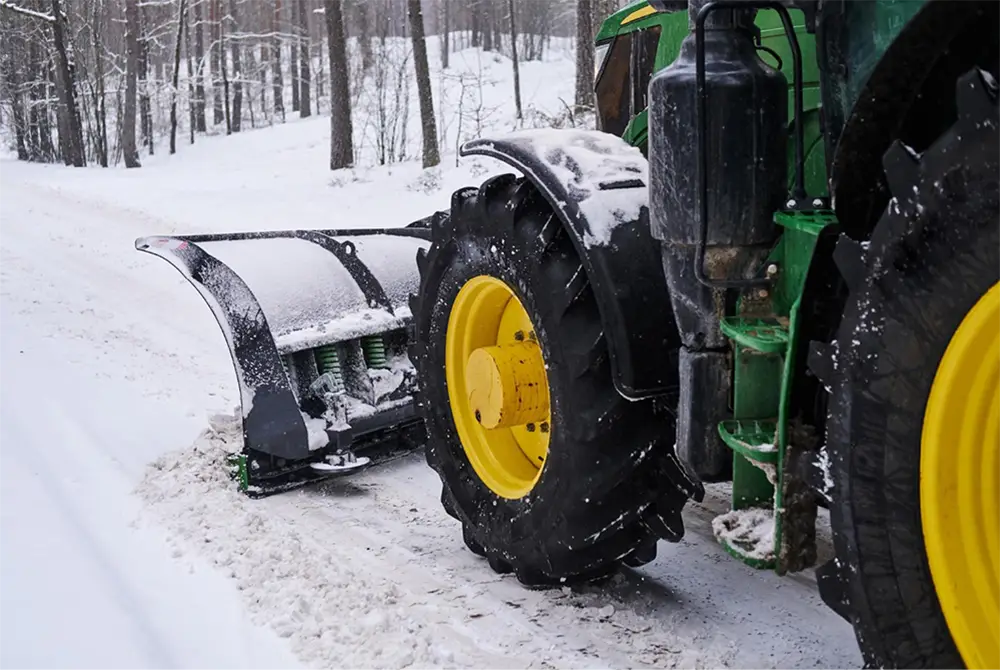
For the snow-plow blade sample programme, attach the site-and-process comparison to the active approval pack. Once the intended site supplies the agreed evidence, have the authorized reviewer close the remaining milestone and record the applicable scope. If new differences appear, review them before extending the earlier approval.
The useful outcome is a clear sequence from development sample to production-representative evidence. It permits practical use of a specialized sample facility without pretending that every result transfers automatically. The bulk acceptance record should ultimately describe the site and route that actually produced the delivered stock.
NIST relates acceptance evidence to the defined production lot. NIST What Is Acceptance Sampling? ↗